
By achieving its waste reduction target, Mapo-gu secured 260 million won (about $172,000) in incentives from the Seoul Metropolitan Government — a result driven by expanded recycling programs, business waste self-disposal initiatives, and the "Zero-Incineration Store" scheme.
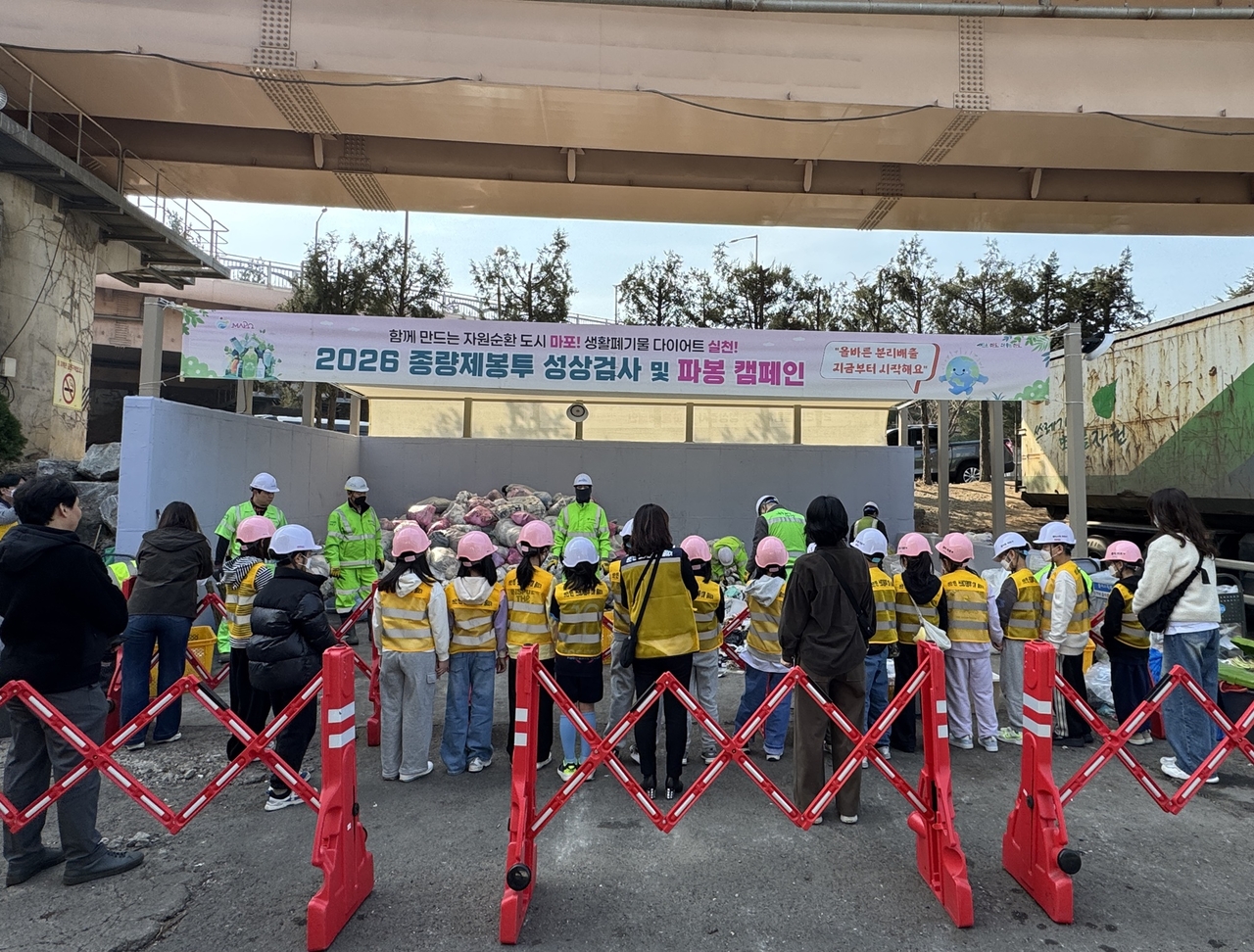
Mapo-gu has been named a top-performing district in the Seoul Metropolitan Government's "2025 Household Waste Intake Management System Evaluation," securing 260 million won in municipal incentive funding.
The household waste intake management system sets district-level waste intake quotas, rewarding districts that meet reduction targets with incentives and penalizing those that exceed their allotments.
Mapo-gu's quota is calculated by combining the intake allotments for the Mapo Resource Recovery Facility and the metropolitan area landfill.
Last year, Mapo-gu's household waste intake quota for public treatment facilities stood at 45,588 tons, while actual intake came in at 43,992 tons — 1,596 tons below the quota.
That figure also represents a reduction of 4,581 tons from the 48,573 tons recorded in 2024, reflecting the cumulative impact of the district's household waste reduction policies.
The district has pursued policies aimed at cutting waste generation at the source, including expanding recycling programs for spent coffee grounds and discarded fabric scraps, and encouraging businesses to handle their own waste disposal.
Mapo-gu has also operated its "Zero-Incineration Store" program to promote proper waste sorting among residents. The district has also stepped up efforts to boost recycling rates through used-clothing recycling and expanded separate collection of clear PET bottles and waste vinyl.
To reduce food waste and recyclables being mixed into standard waste bags, the district has strengthened on-site guidance and enforcement, and is running public awareness campaigns to embed a culture of proper waste separation.
Building on these results, Mapo-gu plans to intensify its household waste reduction programs, identify new resource-circulation policies, and accelerate efforts to build a sustainable resource-recycling city.
"Reducing household waste requires not only administrative effort but also the active participation and commitment of residents," a Mapo-gu official said. "We will continue to expand our household waste reduction and resource-circulation policies going forward."
seouldream01@heraldcorp.com





