Life feels busy enough without worrying about climate change. But small, everyday choices — even ones that seem insignificant — can add up to meaningful change. What is happening to our planet right now, and what better options do we have? This column brings you the real story of the Earth, told in practical terms.
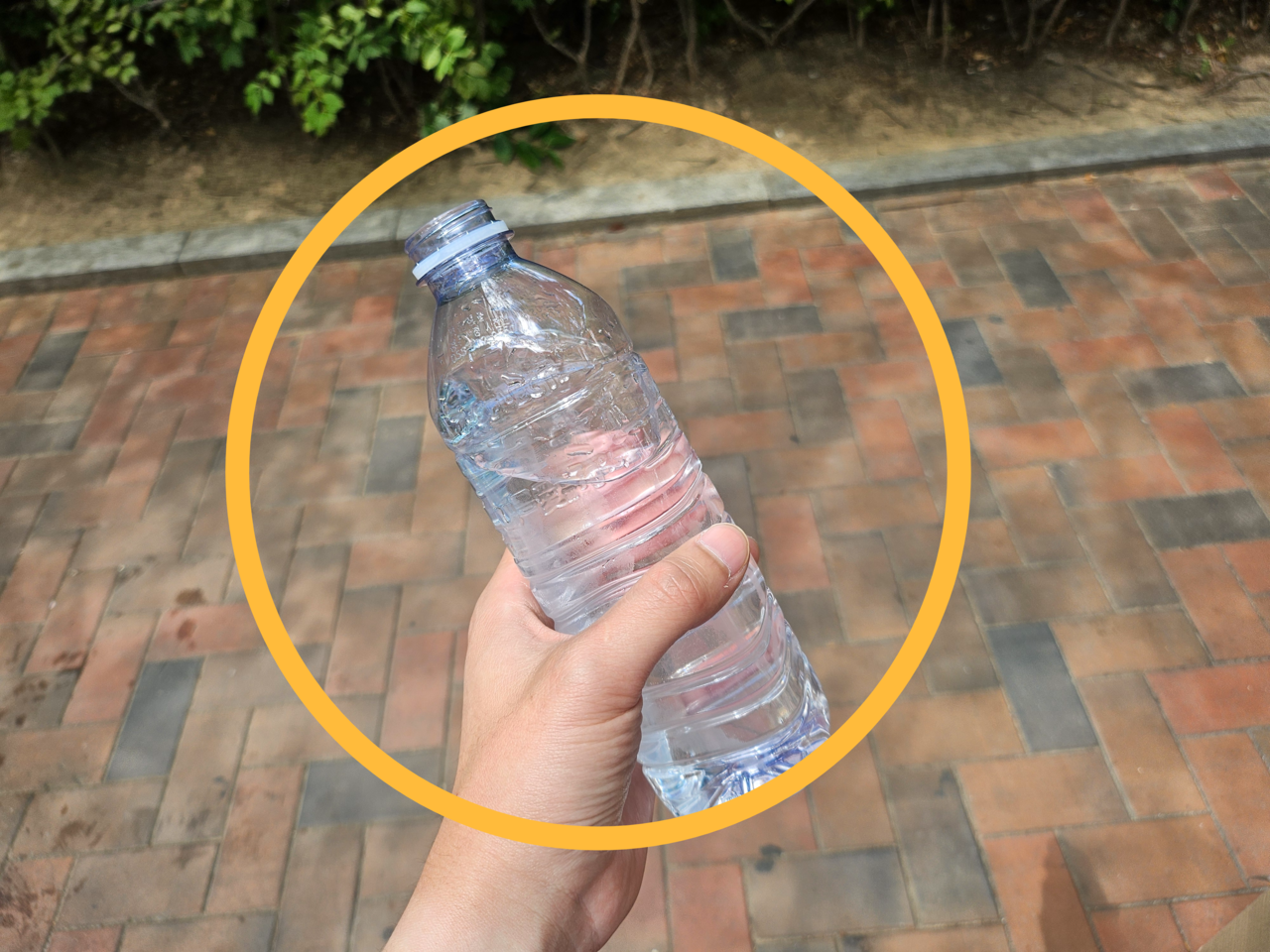
Why would you pay money for water?
Paying for water has become second nature.
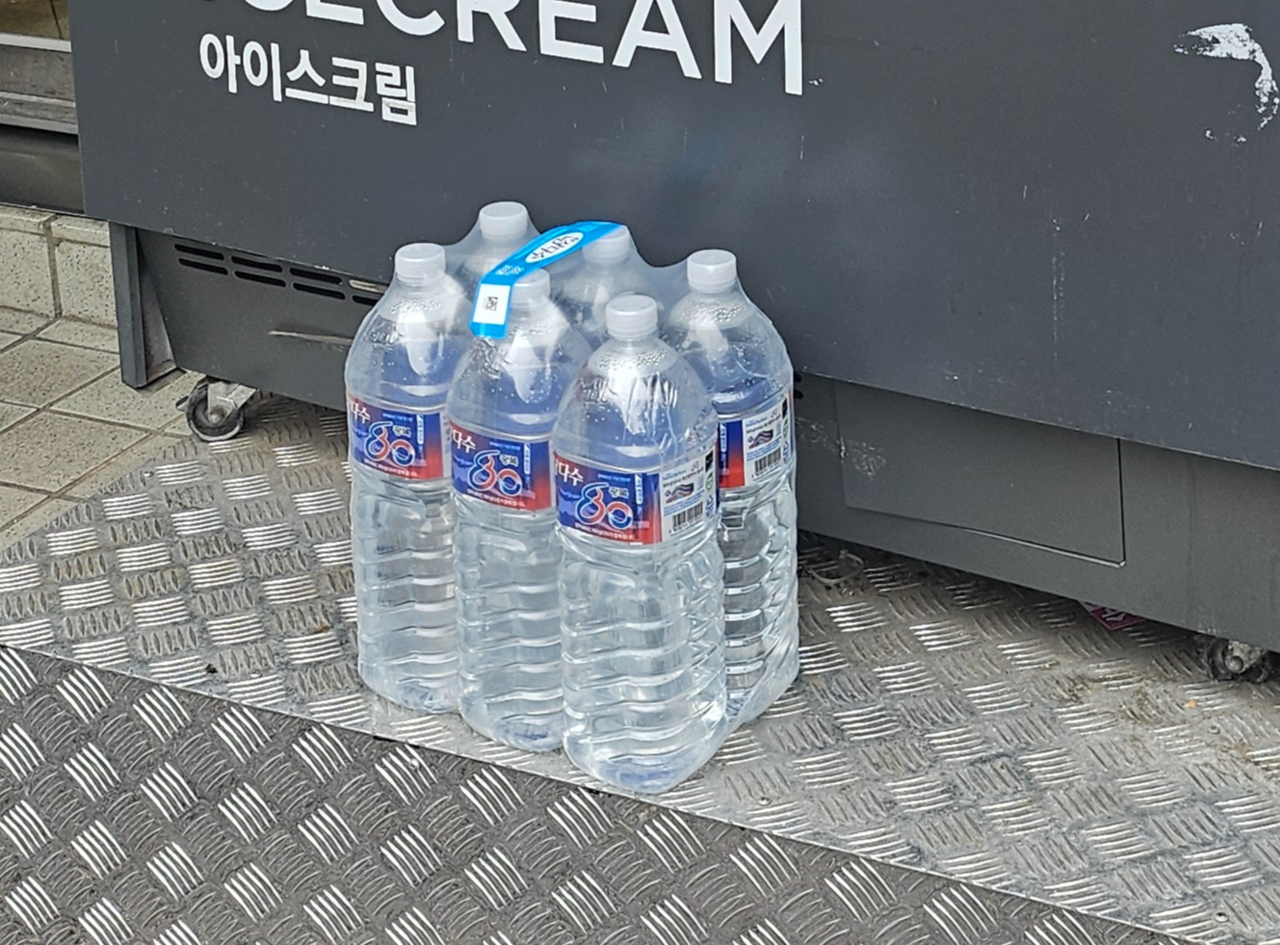
Walking past apartment and multi-unit housing entrances, it is perfectly ordinary to see stacks of home-delivered bottled water piled up at front doors. Even among those who do not buy bottled water outright, drinking straight from the tap — without passing it through a filter — has become something of a rarity.
Yet as recently as 20 to 30 years ago, the idea of paying for water was far from mainstream. Water was a public good — basic infrastructure that everyone was entitled to use at the lowest possible cost.
Most households kept barley tea brewed from boiled tap water in the refrigerator. Supermarkets and other shops openly selling bottled water were uncommon. Selling bottled water was, in fact, illegal.
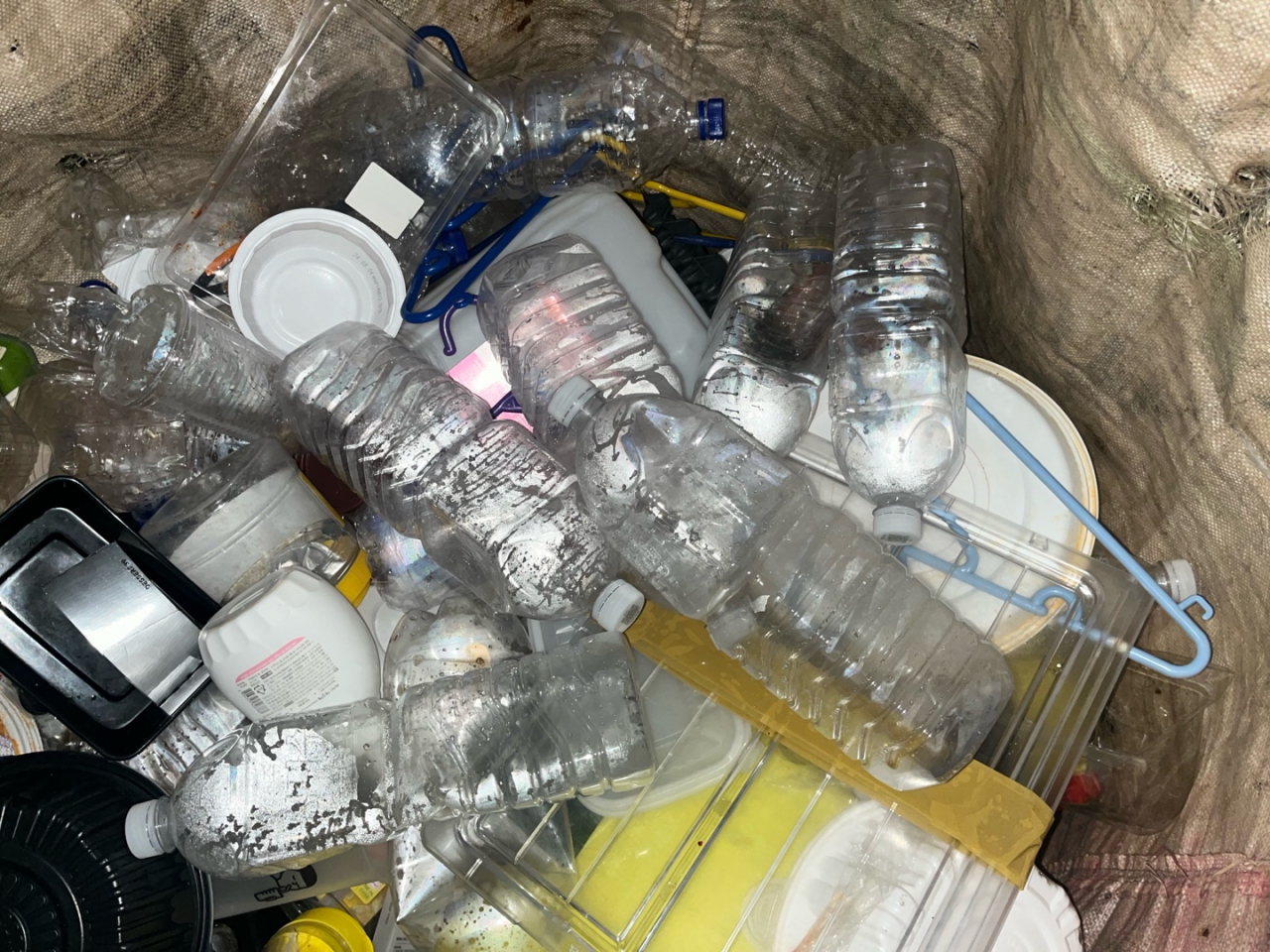
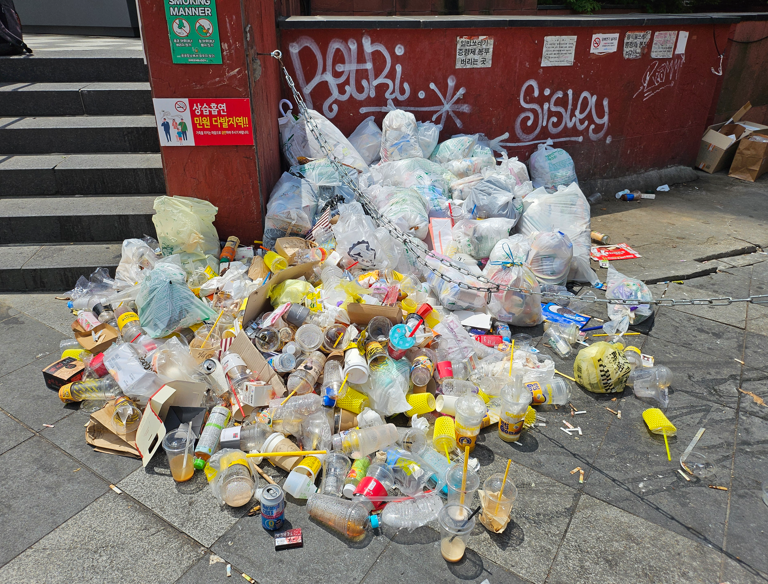
The bottled water industry exploded into a massive market almost overnight — but the boom has come with serious side effects. PET bottles are used once to hold water, then discarded. South Korea alone throws away 5.6 billion of them every year.
Several factors drove the growth of the bottled water industry, but the single biggest was public distrust of tap water. A series of water quality controversies entrenched the perception that tap water was unsafe, and reaching for a bottle gradually became the default.
The problem is that despite sustained improvements in water management — bringing tap water to a standard safe for drinking — distrust persists. And the social costs of how Koreans consume water, including plastic pollution, are mounting.
Once illegal, bottled water is now a 3-trillion-won market
Selling bottled water was illegal in Korea until about 30 years ago. Commercial sales did not begin officially until 1995, after the Supreme Court ruled on March 8, 1994, that the ban on bottled water sales was invalid. The government permitted domestic retail sales starting March 16 of that year. In other words, Koreans have been buying water in bottles for only about 30 years.
Bottled water did exist before that. The domestic market began taking shape in earnest around the 1986 Asian Games and the 1988 Seoul Olympics, when organizers needed to supply foreign athletes and officials with bottled water during the international events.
After that, bottled water producers increasingly pushed for legalization. Their cause gained momentum as reports emerged of heavy metals and other harmful substances detected in tap water, fueling safety concerns. By that period, a growing number of people were already buying bottled water through unofficial channels.
The government was reluctant to legalize bottled water sales. One concern was that permitting them would send an official signal that tap water's safety could not be guaranteed. There were also worries that if only certain segments of the population could afford bottled water, it would deepen social inequality.
Ultimately, however, the government had little choice but to allow sales. The pivotal moment came with the 1991 Nakdong River phenol contamination incident, in which 30 tons of liquid phenol leaked from a broken pipe at Doosan Electronics' factory in Gumi into the river.
Then, in April of that year, a pipe joint on a phenol storage tank ruptured during repair work, releasing an additional 1.3 tons of phenol into the Nakdong River and cutting off the drinking water supply to the Daegu area. Public distrust of tap water deepened sharply.
The Supreme Court cleared the way for bottled water sales in 1994, and on Jan. 5, 1995, the government enacted the Drinking Water Management Act, formally permitting commercial sales. As single-person and dual-income households multiplied and the price of bottled water fell, the market took off. Bottled water completed its transformation from a luxury — something people felt no need to pay for — into a daily necessity.
According to market research firm Euromonitor, the domestic bottled water market reached a record 3.1761 trillion won (approximately $2.08 billion) in 2024. That represents a 15.6 percent expansion from the 2023 market size of 2.7483 trillion won. Notably, the figure counts only purchases by general consumers and excludes water supplied in bulk to schools and institutions.
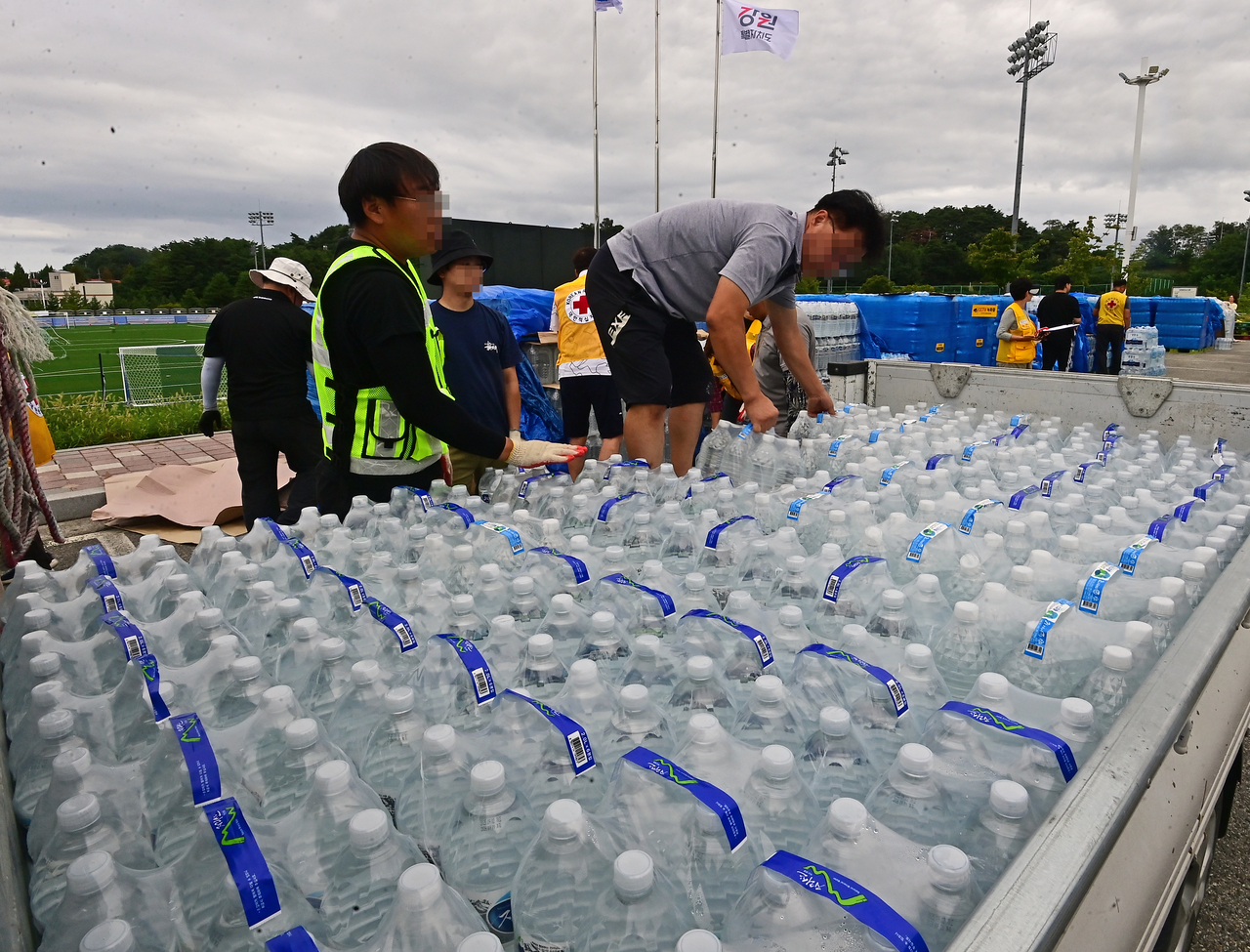
The domestic bottled water market has grown more than fivefold in a decade. Delivery convenience — a bottle of water arriving at your door with a single tap on a smartphone — has been a key driver of that growth.
Tap water distrust created a plastic nightmare
The bottled water market was built on distrust of tap water — and the problem is that consumption keeps rising even though tap water quality has improved to a level safe for direct drinking following the contamination incidents of the past.
A growing majority of people are paying more to drink bottled water instead of tap water. A 2024 survey on tap water consumption conducted by the Ministry of Environment — now the Ministry of Climate, Environment and Energy — found that only 37.9 percent of respondents said they drink tap water, including when boiled.
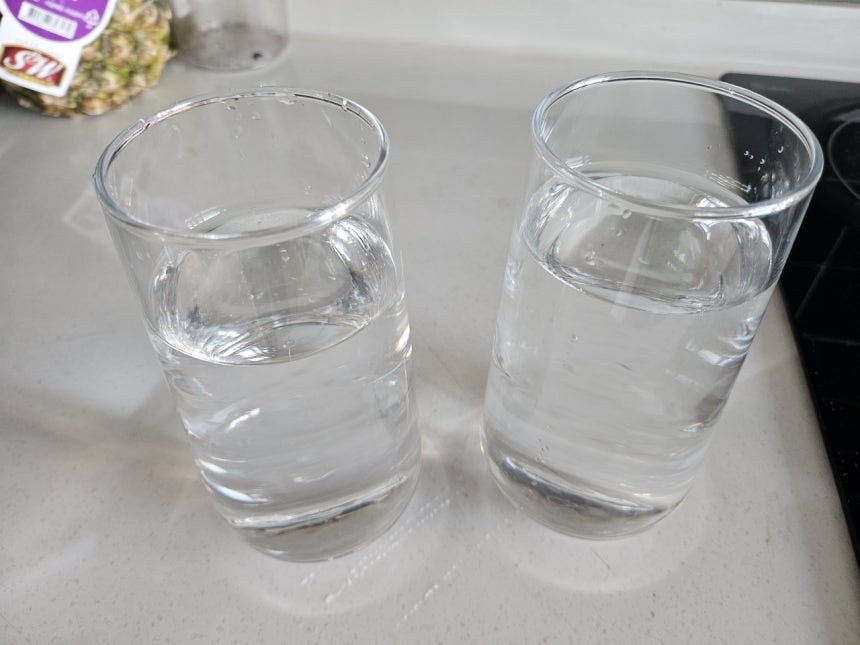
The root cause remains distrust. Among those who do not drink tap water, the top concerns cited were "worry about impurities from aging pipes" (34.3 percent) and "health concerns" (21.5 percent).
The perception that drinking tap water is harmful to health remains widespread — particularly the belief that chemical additives used in the purification process and heavy metals that may leach from pipes pose health risks.
'I'm paying for my own water — why should I drink from the tap?'
The bottled water industry carries serious hidden costs. The most direct problem is the surge in single-use PET bottle waste. The water disappears the moment it is drunk, but the bottle, label, cap and packaging remain — feeding plastic pollution and generating carbon emissions through waste disposal.
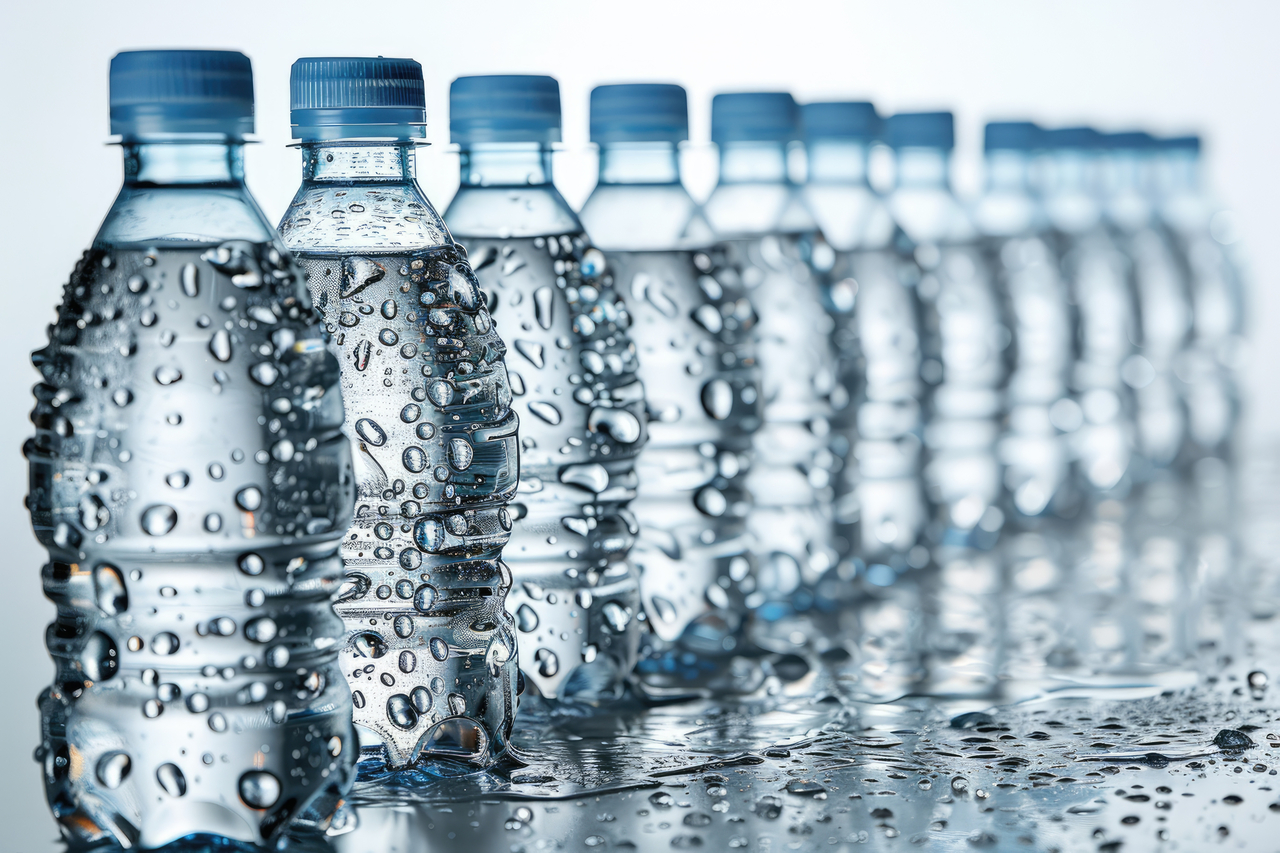
The clear plastic used for water bottles is among the more recyclable types of plastic waste, which is why the government has pushed for separate collection of transparent PET bottles and mandated label-free bottled water. But separating bottles for recycling does not mean they come back as new bottles — only about 20 percent of collected bottles are reprocessed into raw material for new water bottles.
The majority of separately collected water bottles are recycled into fiber, sheeting or packaging materials. "Recycled" is technically accurate, but it is not a closed loop — the material does not keep cycling indefinitely. Eventually it is discarded, incinerated or landfilled, contributing to environmental pollution.
And that assumes all water bottles are properly sorted for recycling in the first place. Bottles that are contaminated or mixed with other waste cannot be recycled at all. Plastic discarded that way takes a minimum of 450 years to break down.
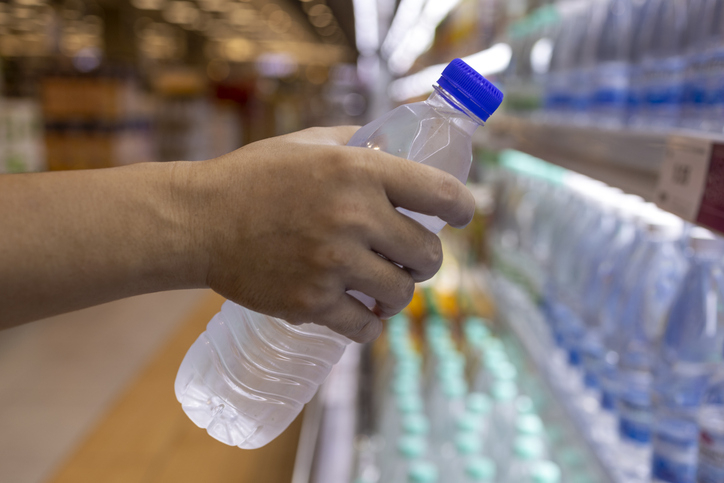
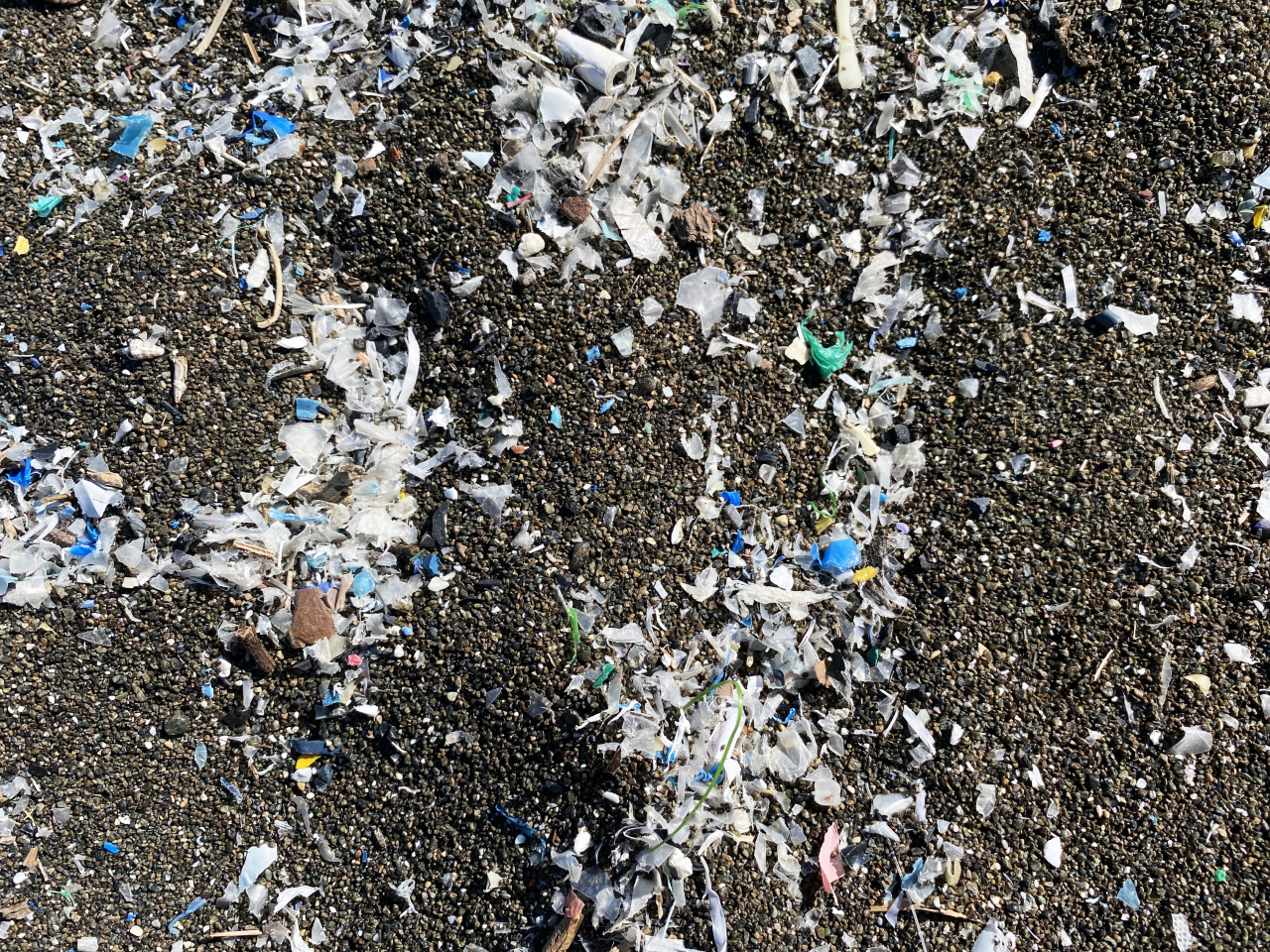
Another concern is the microplastics released during the production and use of plastic. Microplastics are plastic fragments smaller than 5 millimeters in diameter. These near-invisible particles enter water supplies and float through the air, accumulating in the human body — and once lodged there, they do not leave.
Research increasingly suggests that drinking bottled water itself can expose people to significant quantities of microplastics. Domestic bottled water products have repeatedly been found to contain them. A September 2024 survey by the National Institute of Environmental Research found microplastics in 28 of 30 bottled water products sold in South Korea — a detection rate of 93 percent.
The effects of microplastics on the human body are still being studied, but they are believed to be absorbed into the body and linked to cardiovascular and respiratory diseases.
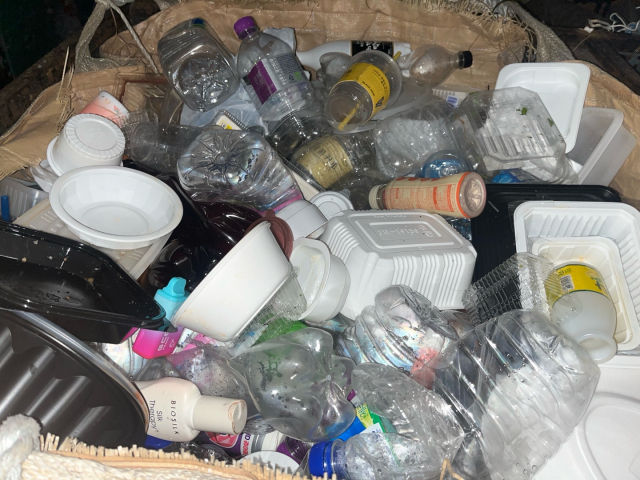
Environmental contamination is another growing concern. Microplastics entering soil and oceans cause widespread pollution, with effects that extend to crops consumed by humans and animals alike.
Some observers argue that drinking bottled water may actually be worse for health than drinking tap water.
A survey published last year in a report by the nonprofit Drinking Water Network found that people who drink tap water expressed higher dissatisfaction with taste and odor. However, their satisfaction with safety was higher than that of people who drink bottled water in plastic containers or use portable water filters.
Consumers want safe water — and that means changing how tap water is perceived
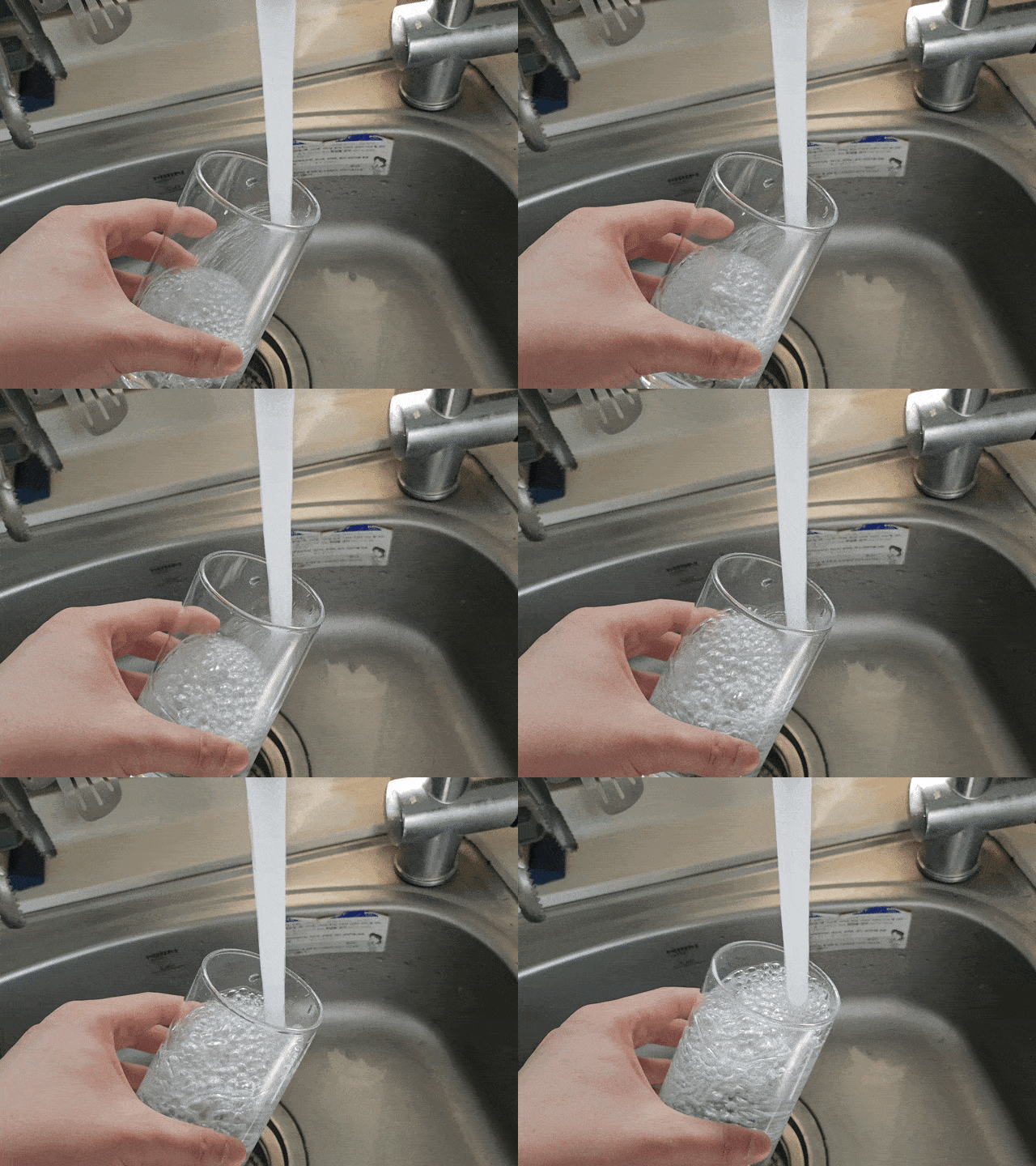
People avoid tap water out of safety concerns — yet those who do drink it tend to believe other water sources are actually less healthy. Put simply, most people think whatever water they are currently drinking is the safest option.
Policy responses to the bottled water problem have so far focused on resource circulation measures: separate collection of transparent PET bottles, expanding the use of recycled materials, and improving recycling rates. But experts say a structural shift is needed — one that reduces plastic waste at the source rather than managing it after the fact.
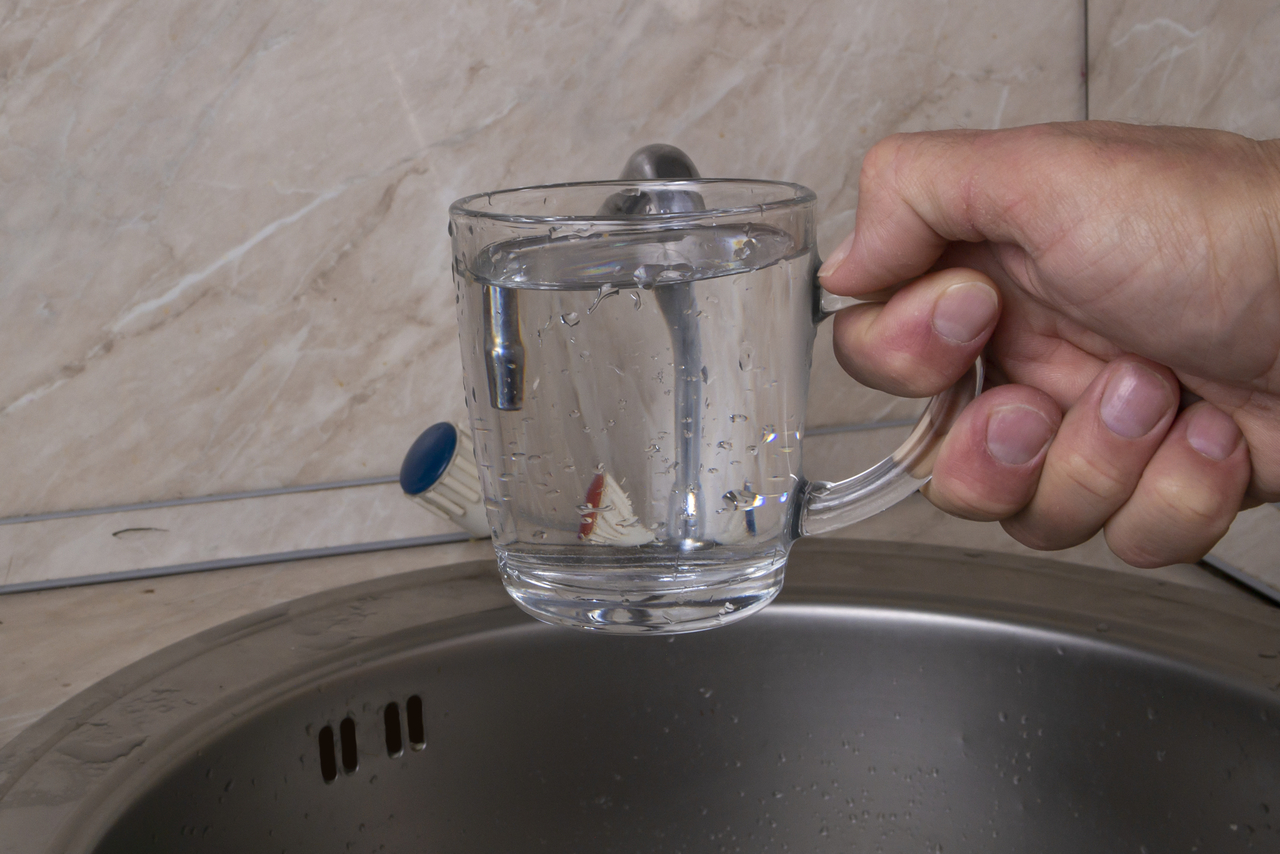
The argument is that production and consumption must be scaled back from the outset. In the bottled water sector in particular, voices are calling for greater efforts to rebuild public trust in tap water as a viable alternative. If tap water is perceived as safe, more people will naturally choose it over the more expensive bottled option.
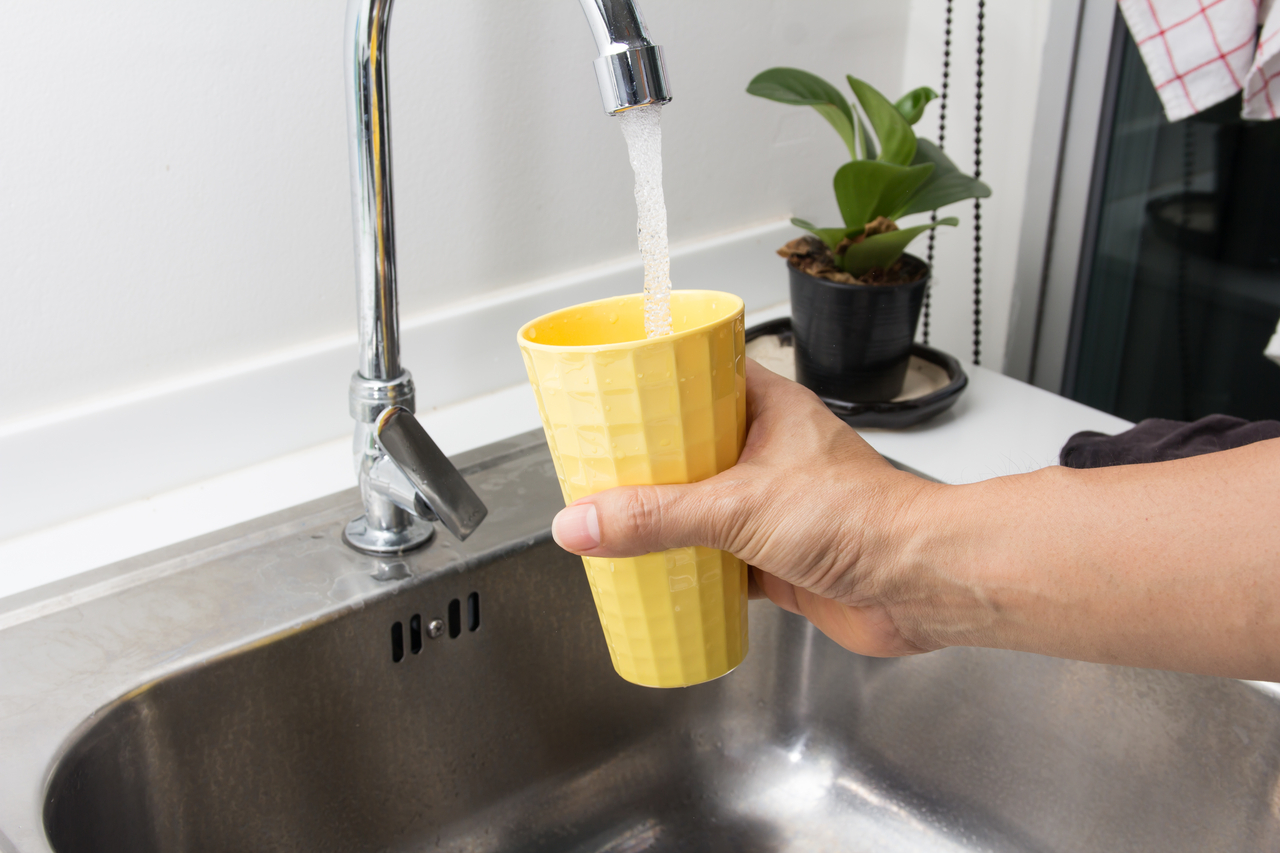
Meanwhile, there is a way for households to check their own tap water quality directly. South Korea operates a public service called the "Tap Water Safety Verification Program," which allows any resident to request a free faucet water quality test. Applications can be submitted through the Ministry of Climate, Environment and Energy's Water Love website.
The Seoul Metropolitan Government upgraded its free "Arisu Home Water Quality Test" service starting May 6, introducing a contactless collection and testing method. Applicants seal a water sample in a container on a date of their choosing, a staff member collects it, and the results are delivered remotely.
The "What's Up, Earth?" column is also published as a newsletter covering the latest climate and environment news, including stories and lifestyle tips that don't make it into the articles. Search "What's Up, Earth? Newsletter" to subscribe.
![“라면 끓일 때 수돗물? 생수?” 오랜 논쟁, 단번에 ‘종결’…우리집 물 검사해 보니 [지구, 뭐래?]](https://wimg.heraldcorp.com/news/cms/2026/05/27/news-p.v1.20260527.7892096b68c3477c8cfa4b8cf487ef60_T1.jpg)
"Tap water or bottled water for cooking ramyun?" — a long-running debate finally settled after testing the water at home. [What's Up, Earth?]
woo@heraldcorp.com