US shoots down 4 drones, then strikes Iranian radar sites; Iran fires 7 ballistic missiles at Gulf bases; Trump signals no desire for all-out war absent American casualties; back-channel talks continue via Pakistan
![A still from footage released by US Central Command showing the strike on an Iranian coastal surveillance radar station. [Yonhap]](https://wimg.heraldcorp.com/news/cms/2026/06/07/news-p.v1.20260607.977f191a0d0144e2abf9ea49b6ac925c_P1.jpg)
Tensions flared again over the weekend as US and Iranian forces exchanged a series of strikes near the Strait of Hormuz, with end-of-war negotiations between the two sides showing no sign of a breakthrough.
US Central Command (CENTCOM) announced Saturday on X, formerly Twitter, that it had shot down two Iranian kamikaze attack drones threatening international maritime traffic in the Strait of Hormuz. That was a follow-up intercept after CENTCOM had already downed four Iranian drones earlier that day. Before those engagements, US forces had also struck Iranian coastal surveillance radar stations at Goruk and Qeshm Island in anticipation of further Iranian attacks.
Iran responded swiftly. Within hours of the initial four-drone intercept, Iran launched seven ballistic missiles at US military bases in Kuwait and Bahrain, according to CENTCOM. The exchange marked an escalation beyond drone interceptions into a full missile exchange.
"US forces remain postured to defend against Iranian acts of aggression," CENTCOM said.
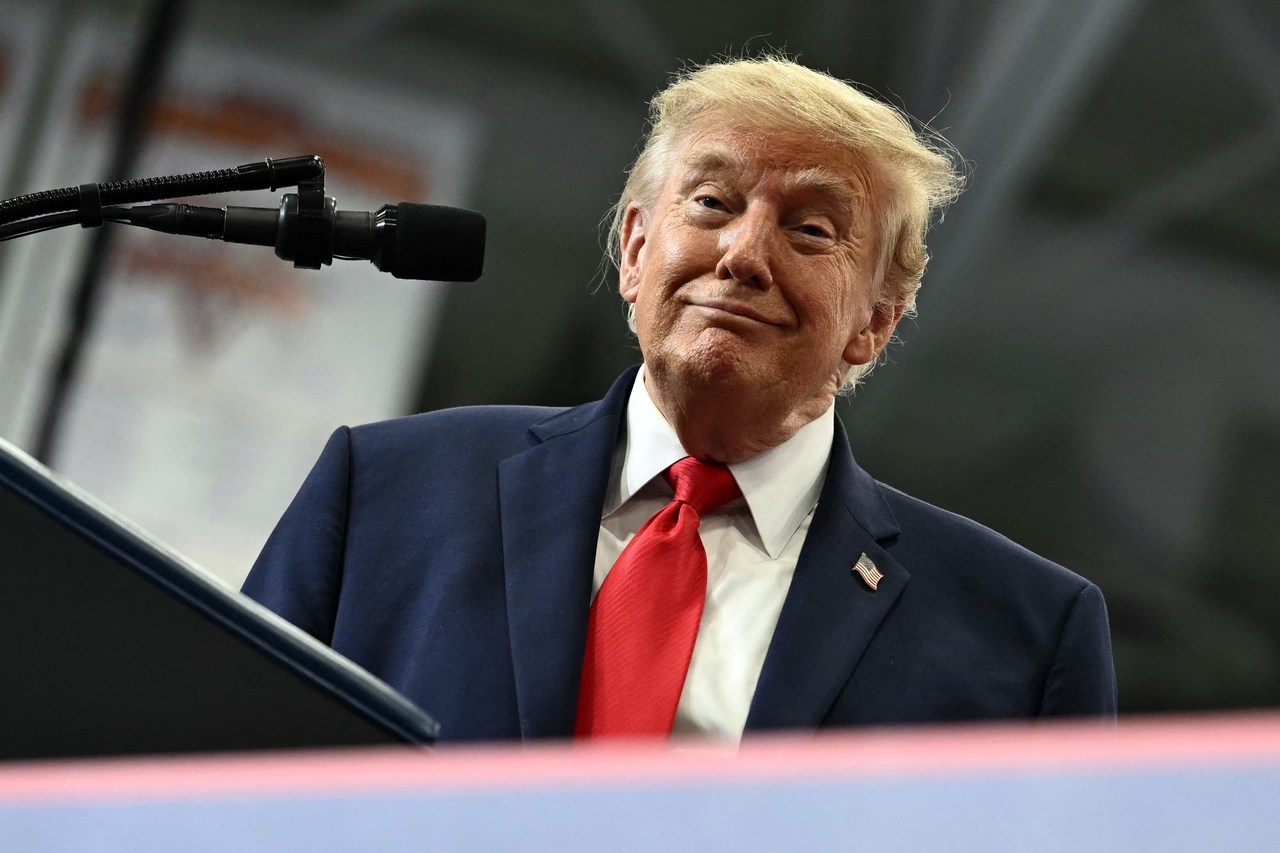
Both sides have sought to frame their actions as defensive, stopping short of signaling a broader conflict. Donald Trump has told aides he has no intention of resuming a full-scale war with Iran as long as no Americans are killed. Iran, for its part, has characterized its actions as warnings and retaliation against US military operations and attempts to transit the strait.
Still, the repeated military clashes in and around the Strait of Hormuz have raised concerns that an accidental incident could escalate into a wider confrontation.
Meanwhile, back-channel diplomacy has continued through Pakistan even as formal negotiations remain stalled. Pakistani Interior Minister Mohsin Raza Naqvi arrived in Tehran on Saturday to meet with Iranian Foreign Minister Abbas Araghchi and other Iranian officials, according to Iran's state-run IRNA news agency. He was also expected to deliver a personal letter from Pakistani army chief Gen. Asim Munir to Iran's Supreme Leader Ayatollah Seyyed Mojtaba Khamenei.
psj@heraldcorp.com