Soaring won-dollar rate drives up raw material costs
Small manufacturers struggle without currency hedging tools
Earnings fears mount for second half of year
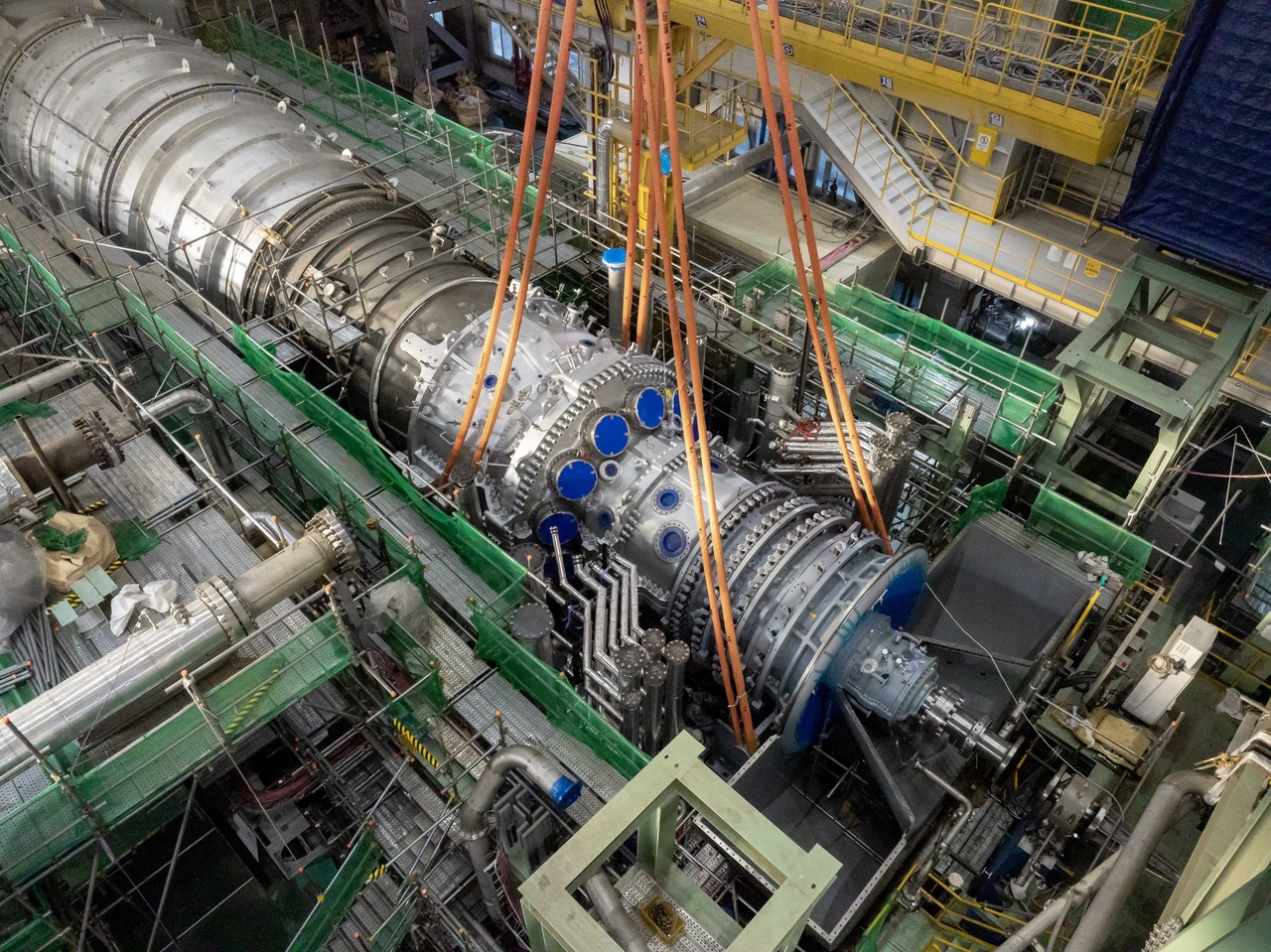
![Small manufacturers are struggling as the won-dollar exchange rate continues to climb, surpassing 1,560 won. Pictured is the interior of Shinhwa Industrial's factory. [Provided by Shinhwa Industrial]](https://wimg.heraldcorp.com/news/cms/2026/06/08/news-p.v1.20260608.fe988df8ceb646328748b395aaac0f0f_P1.png)
"We just received an official notice that tool prices will rise another 30 percent starting next month. At this rate, we're basically running at a loss."
Kim Jin-woo, chief executive of hydraulic cylinder maker Shinhwa Industrial, said the prolonged high exchange rate has made running his business increasingly difficult. Manufacturing precision hydraulic cylinders requires carbide cutting tools, which rely on imported tungsten — meaning their price rises in lockstep with the won-dollar rate. "The tools wear down as we cut, and the costs keep climbing every month," Kim said. "Imported raw materials are up more than 20 percent, and fuel and electricity costs have gone up too. It's getting very hard to keep the business going."
According to the Bank of Korea, the won-dollar rate surpassed 1,560 won during overnight trading on Friday, its highest level since the global financial crisis in 2009. This year's average rate has also reached 1,477.06 won, already exceeding last year's record annual average of 1,420.97 won. Rising global oil prices are compounding the currency pressure, pushing small manufacturers toward a business crisis — particularly smaller firms that rely on imported raw materials to serve the domestic market.
Unlike large conglomerates, small and medium-sized enterprises lack dedicated staff and financial instruments to hedge against currency swings, leaving them fully exposed to the high exchange rate. Rising production costs are outpacing their ability to pass increases on to customers, pushing operating profit sharply lower. A survey of 410 small and medium-sized enterprises conducted last month by the Korea Federation of SMEs found that 94.6 percent said their cost burden had grown since the outbreak of the Middle East war. Particularly striking, one-third of respondents — 35.6 percent — said the purchase price of raw and subsidiary materials had risen by 40 percent or more.
CD&Korea, a manufacturer of LED lighting, is also feeling the strain. Chief Executive Kim Na-gyeong said the price of imported raw materials has doubled compared with a year ago. Because small manufacturers cannot immediately pass higher costs on to their supply contracts, profitability has deteriorated. The rising exchange rate and higher logistics costs have also destabilized materials procurement planning, making it harder to forecast manufacturing costs. "The construction market is in a slump too, so it's hard to find new sales channels — we can't raise prices," Kim said. "We're absorbing the losses and holding on for the sake of our customers."
Beyond small manufacturers, the furniture and paint industries — both heavy users of imported raw materials — are also struggling with the high exchange rate. The situation is particularly difficult as a naphtha shortage stemming from the Middle East war has combined with the surging exchange rate to make an earnings hit all but inevitable. Furniture makers are affected not only through raw material costs but also through shipping and logistics expenses, which are sensitive to exchange rate movements. Paint manufacturers similarly depend heavily on imports for their key ingredients.
"Even though our sales are roughly the same, operating profit keeps shrinking because of the high exchange rate," said an official at a furniture company. "We manufacture in factories in China, and because the products are bulky, shipping and logistics costs are heavily affected by the exchange rate."
The situation in the paint industry is much the same. Domestic paint makers rely on imports for a significant share of their raw materials, meaning simultaneous rises in oil prices and the exchange rate create a double burden. "The second half of the year is what worries us most," said an industry official. "From the second half onward, products will be made with raw materials purchased at higher prices rather than from existing inventory — so if we can't raise our selling prices, the more we sell, the more we lose."
boo@heraldcorp.com