Choi Ho-kwon of Yeongdeungpo-gu stepped aside after an unexpected cutoff; Jo Seong-myeong of Gangnam dropped a potential independent run after being talked out of it; Park Il-ha of Dongjak-gu quit the People Power Party, ran on the Reform Party ticket and lost
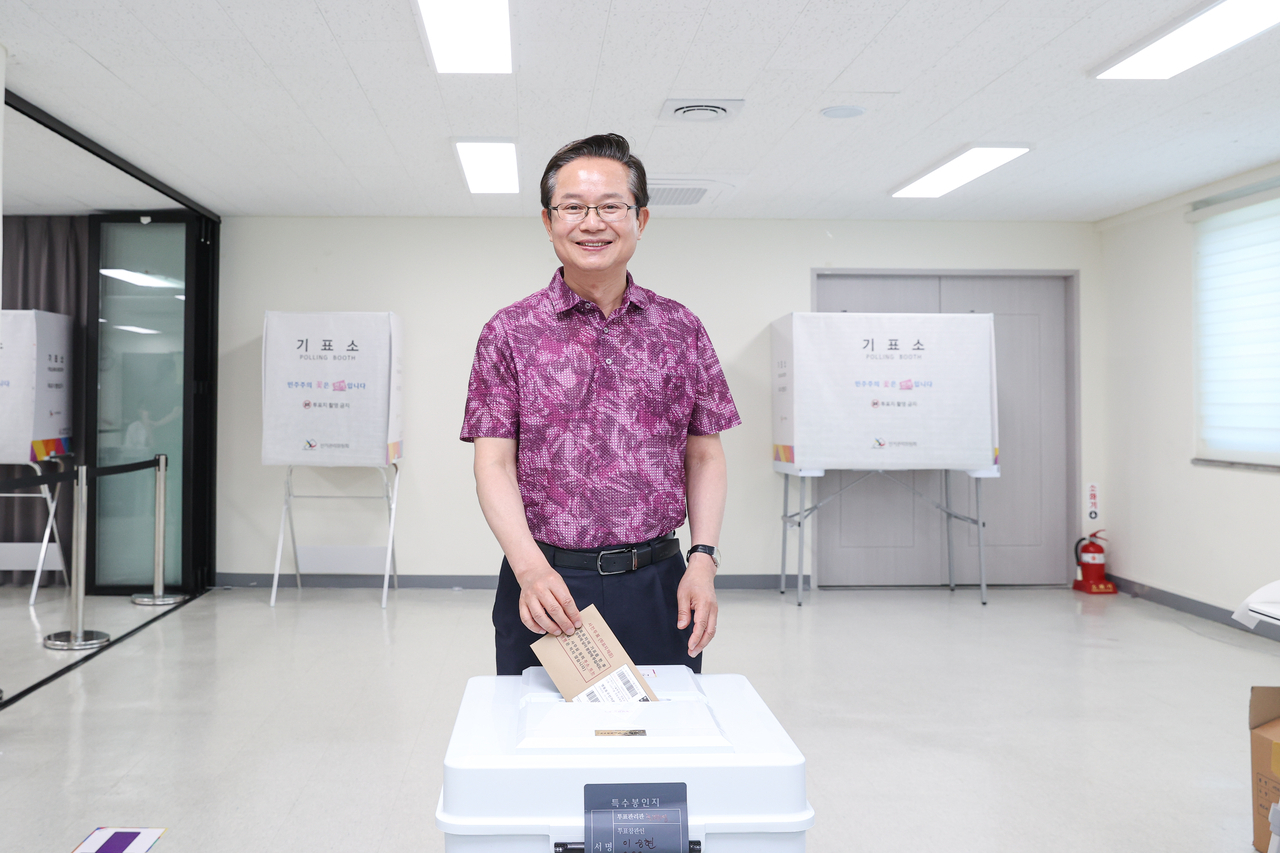
The June 3 local elections drew close attention to the sharply divergent paths taken by three sitting People Power Party district mayors in Seoul.
The three figures at the center of the story are Yeongdeungpo-gu District Mayor Choi Ho-kwon, Gangnam District Mayor Jo Seong-myeong and Dongjak-gu District Mayor Park Il-ha.
All three failed to secure the outcome they had hoped for during the nomination or primary process. What set them apart was what each chose to do next — and the political consequences that followed could hardly have been more different.
Choi had been listed as a primary candidate but was unexpectedly cut from the race during the nomination process. The decision sparked a backlash in the community: some residents launched an online petition drive, and legal challenges followed.
Even so, Choi ultimately chose not to run as an independent. Accepting the party's decision despite his frustration, he announced he would not seek reelection. Political observers described the move as putting the party's electoral prospects ahead of his own political future.
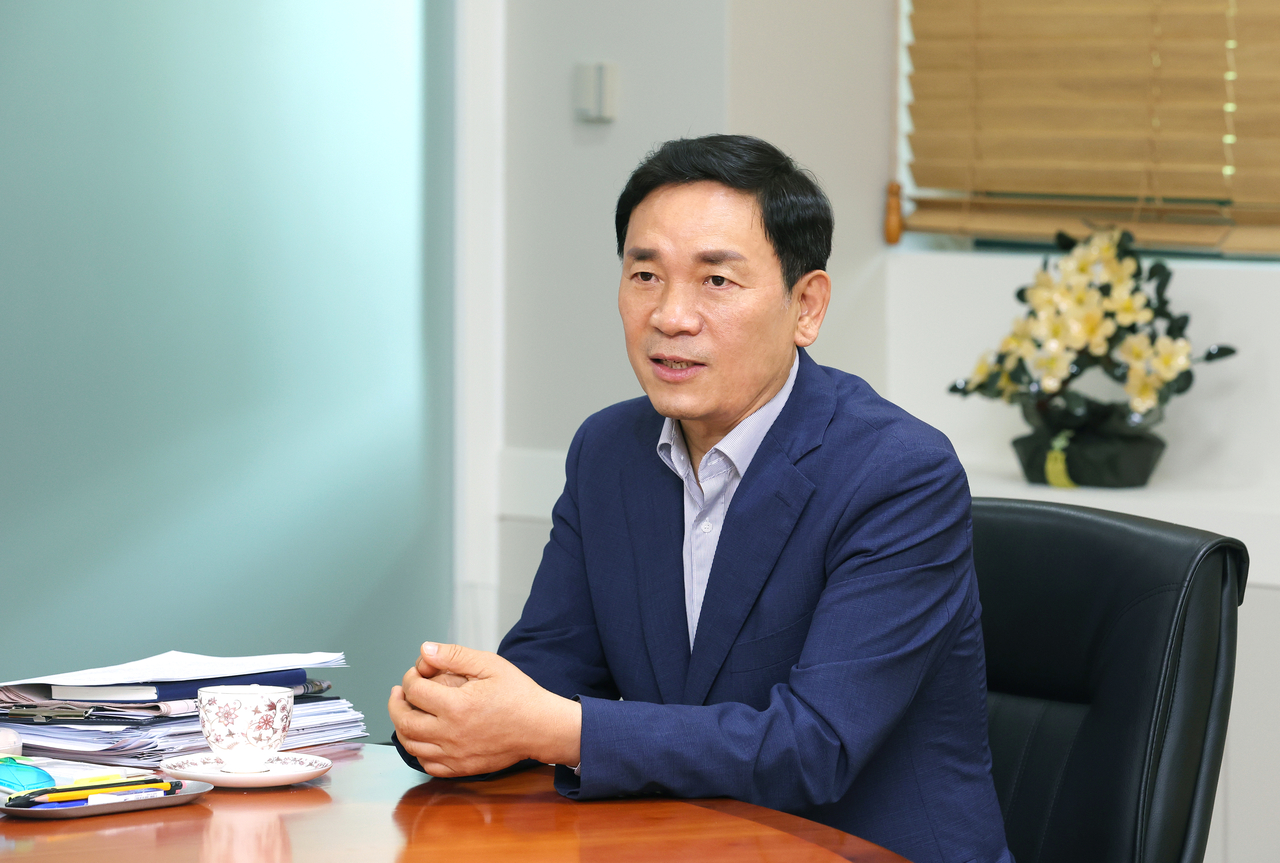
Jo Seong-myeong followed a similar course.
Jo had signaled his intention to seek a second term by pushing through a range of development and urban renewal projects during his first term, but he failed to clear the preliminary primary. An independent run was briefly floated, but he ultimately stepped back from the race.
Political analysts say Jo's decision not to run helped People Power Party candidate Kim Hyeon-gi campaign on stable footing. By keeping the sitting district mayor's organization and support base intact rather than splitting them, the conservative camp was able to consolidate its vote.
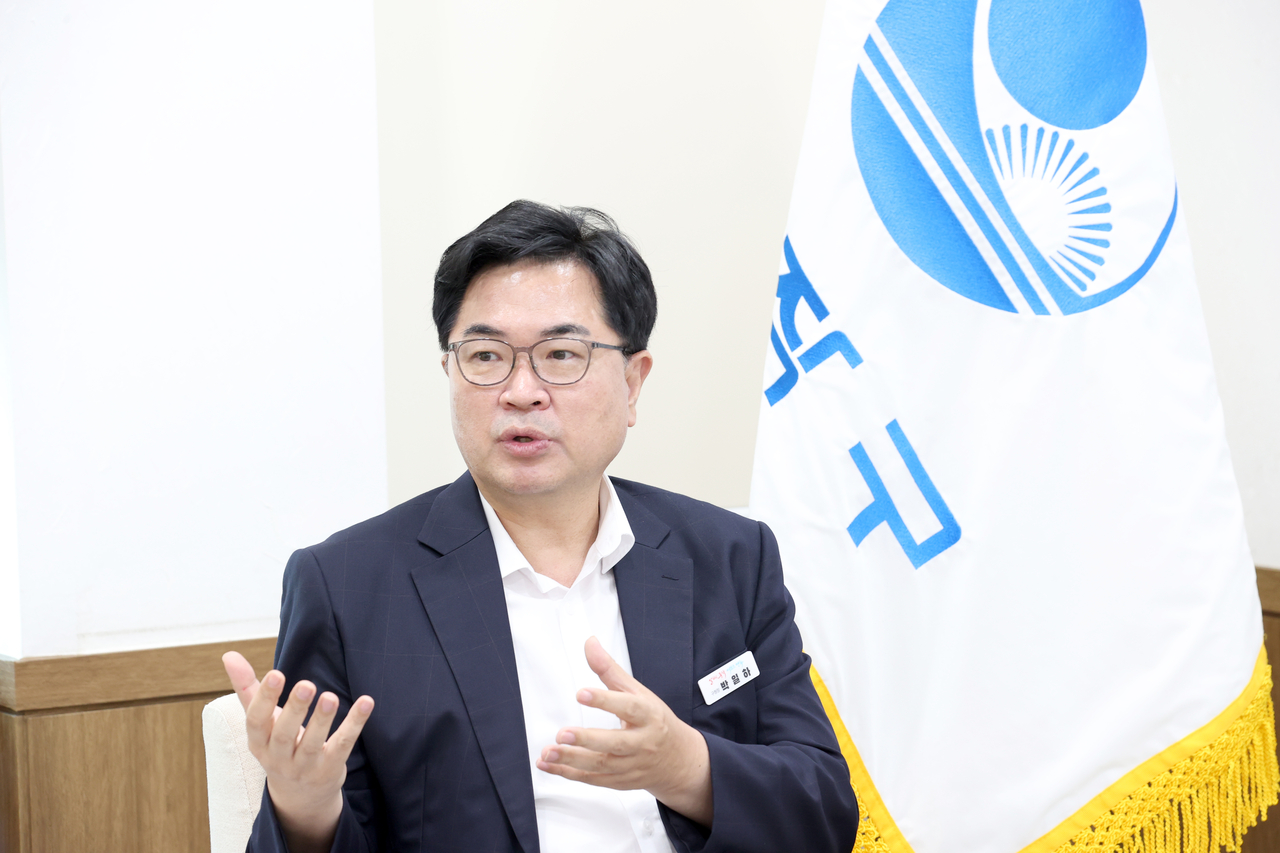
Park Il-ha of Dongjak-gu took an entirely different road.
After losing the People Power Party primary, Park quit the party and entered the general election as a Reform Party candidate. He drew a substantial share of the vote — roughly 40,000 ballots — but fell short of winning.
The central problem was the splitting of the conservative vote.
Political analysts say a significant portion of the ballots Park received overlapped with the People Power Party's base. The result, in their assessment, was that Park lost his own race while also denying the People Power Party candidate a victory.
Park's camp could argue that he ran on principle and to expand voter choice. But the broad consensus in political circles is that, judged purely by the results, the vote-splitting effect on the conservative side is hard to deny. Park broke down in tears after his defeat.
The election has left behind a clear case study in how a politician's response to a failed nomination can shape the outcome — for themselves and for their party.
Choi and Jo swallowed their disappointment and accepted the party's decisions, choosing not to run. Park chose a new political challenge instead.
There are no right answers in politics. What the local elections made plain, however, is how starkly different choices in the same situation can produce different political verdicts.
How a politician accepts defeat and takes political responsibility matters as much as winning or losing. On that measure, the paths these three men took are likely to be discussed in local political circles for a long time to come.
seouldream01@heraldcorp.com