Banks extend price support programs for import-export firms; KB Kookmin Bank cuts trade finance rates for up to a year; eligibility criteria significantly loosened to cover more small businesses
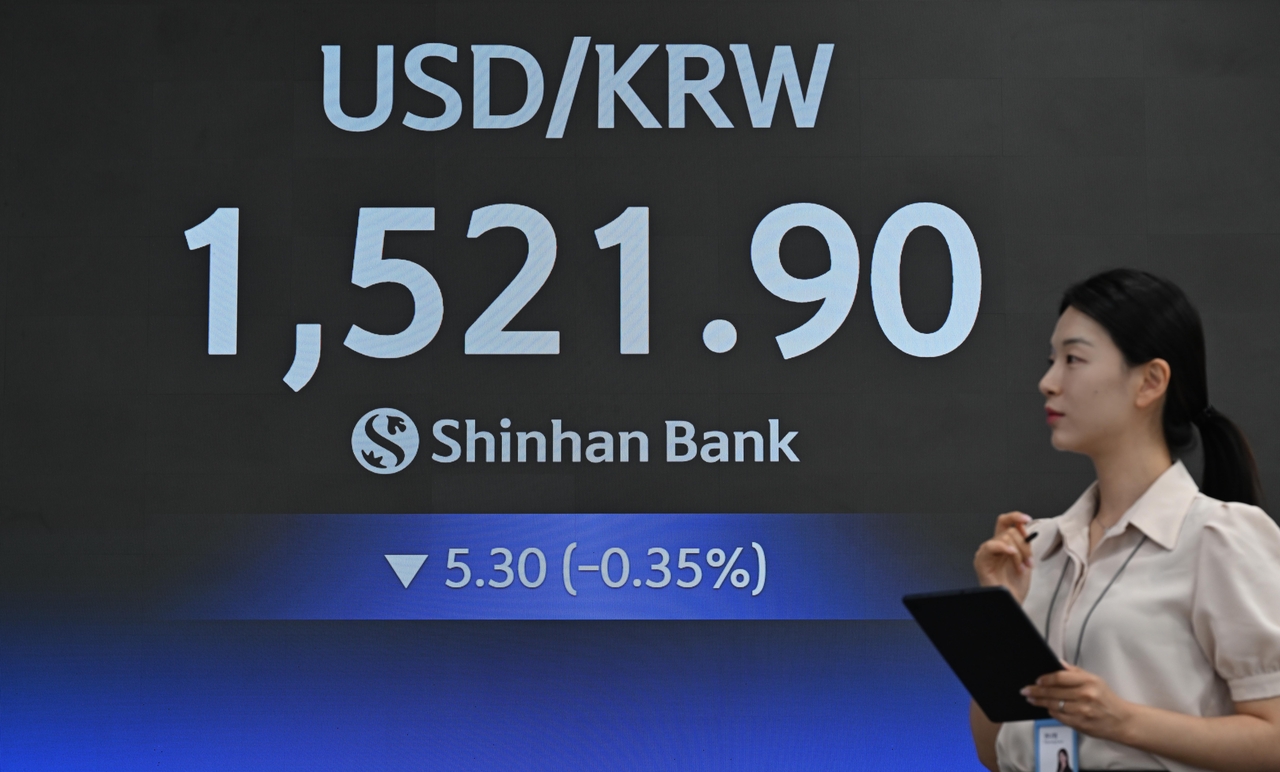
With the prolonged Middle East conflict compounding the won-dollar rate's breach of the 1,550-won level, import-dependent businesses have taken a direct hit. In response, banks are extending existing foreign exchange support programs and broadening eligibility to help stabilize operations at companies engaged in trade.
KB Kookmin Bank decided to extend its foreign exchange price support program — the LEAP UP program — through the end of June, after it had originally been set to expire in May, according to financial industry sources Monday. The extension aims to reduce financing costs for import and export companies caught in deepening exchange rate volatility.
Under the program, the bank will cut interest rates on trade finance products, including import letters of credit, for up to one year subject to headquarters approval. It significantly widened the eligibility threshold — from customers using up to $7 million to those using up to $10 million — to bring more small and medium-sized trade firms into the program's reach. Fees related to letter-of-credit issuance and use will also be partially reduced or waived for six months from the date of application. The bank will also waive up to 90 percent of dollar conversion fees on overseas remittances and foreign currency deposit withdrawals converted from dollars to won.
IBK, continuing support it provided last year, is again offering working capital assistance, interest rate reductions of up to 1.0 percentage point, and preferential foreign exchange fee treatment to small and medium-sized import-export firms facing temporary cash flow difficulties from sharp exchange rate swings. Through a special foreign currency loan extension program, borrowers can extend repayment deadlines by up to one year without making principal or installment payments. To ensure businesses hurt by the rising exchange rate feel the benefit, IBK also waived collateral deposit requirements when extending the maturity of usance import letters of credit and broadened the available extension periods.
Banks are also extending or maintaining support periods for mid-sized and small exporters and overseas-operating companies struggling with the widening risks from the Middle East conflict.
Shinhan Bank launched its Shinhan Disaster Recovery Financial Support Program on June 1, targeting companies operating in conflict zones and firms with import-export track records. The program provides up to 1 billion won (about $647,000) in working capital and facility recovery funds within the scope of documented losses, along with a special preferential interest rate of up to 1.0 percentage point. Loans maturing within three months receive the preferential rate and an automatic maturity extension. Shinhan Bank plans to run the program through August but is also reviewing a further extension depending on domestic and external conditions.
Hana Bank is running a Middle East Damage Relief Interest Rate Support Program with a total ceiling of 2 trillion won, offering emergency stabilization funds, maturity extensions, principal deferrals and interest rate cuts to import-export companies hit by the Middle East situation and the high exchange rate. Woori Bank has been providing continuous support to small and medium-sized enterprises since April through a special 80 billion won contribution under its Inclusive Financial Support Agreement Guarantee for Responding to Compound Economic Crisis.
"We took into account the difficulties our import-export business customers are experiencing on the ground," a banking industry official said. "As the high exchange rate and elevated volatility have persisted, financial support has become urgently needed for struggling companies, which is why we decided to extend the relevant programs."
Meanwhile, as the won-dollar rate threatened to breach 1,550 won — its highest level since the global financial crisis — major domestic financial holding companies and commercial banks moved to review their emergency response frameworks. With market, capital and liquidity risks rising on the back of the sharp exchange rate surge, institutions are focusing their efforts on proactive foreign exchange position management and defending capital adequacy.
KB Financial convened an emergency executive meeting Tuesday morning to overhaul its risk management framework. The group is concentrating on managing its foreign exchange position exposure, including actively hedging to minimize foreign currency translation gains and losses excluding investment income. Hana Financial also held a Crisis Management Council meeting on June 4, chaired by group Chief Risk Officer Kang Jae-shin, to discuss responses to a prolonged high exchange rate environment.
Shinhan Bank plans to hold a Crisis Management Council meeting Tuesday afternoon, chaired by the head of its risk management group, to assess the bank's situation in light of deteriorating market indicators including share prices and exchange rates. Woori Bank is also expected to focus intensively on related risks and the current situation at a Crisis Response Council meeting scheduled for June 15, to be presided over by its risk management group head.
won@heraldcorp.com
hyuk@heraldcorp.com