Street outreach with the Korea Food Service Industry Association's Gangnam chapter on June 17 promotes five key hygiene rules, including handwashing and proper storage temperatures; 53 facilities to receive tailored inspections from June through September, with seven hygiene education sessions for food service workers
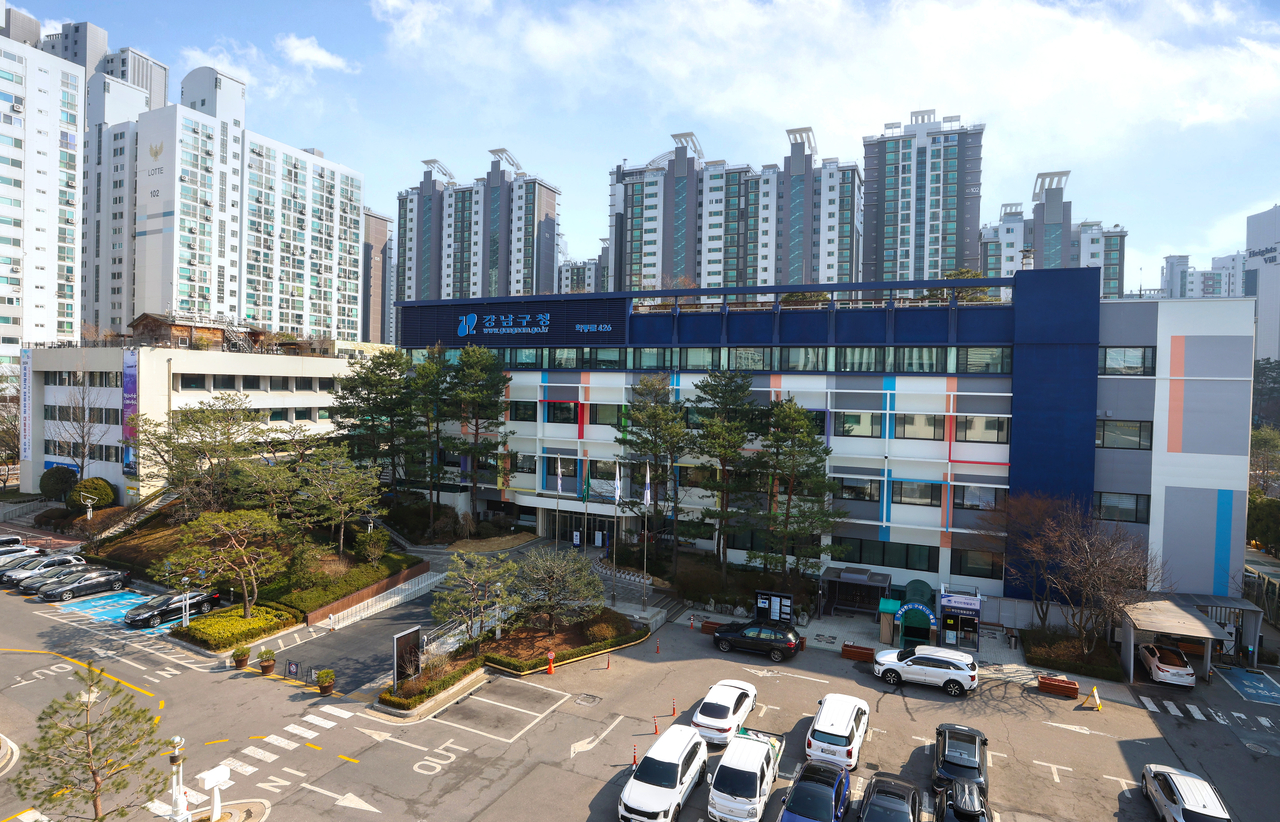
Gangnam-gu will hold a summer food poisoning prevention campaign near Seonneung Station on June 17 from 9 to 10 a.m., in partnership with the Gangnam chapter of the Korea Food Service Industry Association.
The campaign comes amid an early-arriving heat wave that has raised the risk of food poisoning outbreaks, and is designed to boost hygiene awareness among residents and restaurant operators ahead of the peak summer season. About 15 participants are expected, including Gangnam-gu officials and members of the association's Gangnam chapter.
Participants will conduct a street campaign from the Seonjeongneung area to Seonneung Station, then fan out through the surrounding streets and alley commercial districts to share food poisoning prevention guidelines with restaurant operators and residents.
The campaign will focus on five practical rules applicable in daily life and food preparation: handwashing, observing proper storage temperatures, using separate cooking utensils, heating food thoroughly, and washing and disinfecting surfaces and equipment. Promotional materials will also be distributed on site.
The district plans to use the campaign as a springboard for broader, field-focused food safety management throughout the summer. From June through September, Gangnam-gu will work with specialized hygiene institutions to conduct tailored food poisoning prevention inspections and hygiene education at group cafeterias and food service establishments — going beyond routine checks to identify vulnerabilities at individual businesses and recommend corrective measures.
The prevention inspections will cover 53 locations in total. Fifty will be selected from among the district's 440 group cafeterias based on prior hygiene violation reports, business type and scale; inspectors will examine personal hygiene practices and cooking and storage processes. Measuring equipment will be used to assess contamination levels on cooking tools and in facilities, and results along with improvement recommendations will be shared with each business. Those found deficient will receive follow-up visits to verify corrective action. The three facilities that recorded food poisoning incidents within the past five years will undergo intensive inspections covering the entire process — from ingredient intake and storage through pre-processing, cooking and serving.
Seven hygiene education sessions will also be held for workers at 17,069 group cafeterias and food service establishments. The sessions will center on real food poisoning cases and cover seasonal and facility-specific hygiene management, while sharing recurring deficiencies identified during on-site inspections and guidance on how to address them.
"Food poisoning is an incident where a small lapse in care can threaten the health of many people, which is why prevention is paramount," Gangnam District Mayor Jo Seong-myeong said. "By combining the campaign, on-site inspections and tailored education, we will raise hygiene standards at restaurants and group cafeterias and create a safe dining environment where residents can eat with confidence."
seouldream01@heraldcorp.com