
Information sticks longer when you explain it to others; newspaper articles can also serve as excellent classroom material
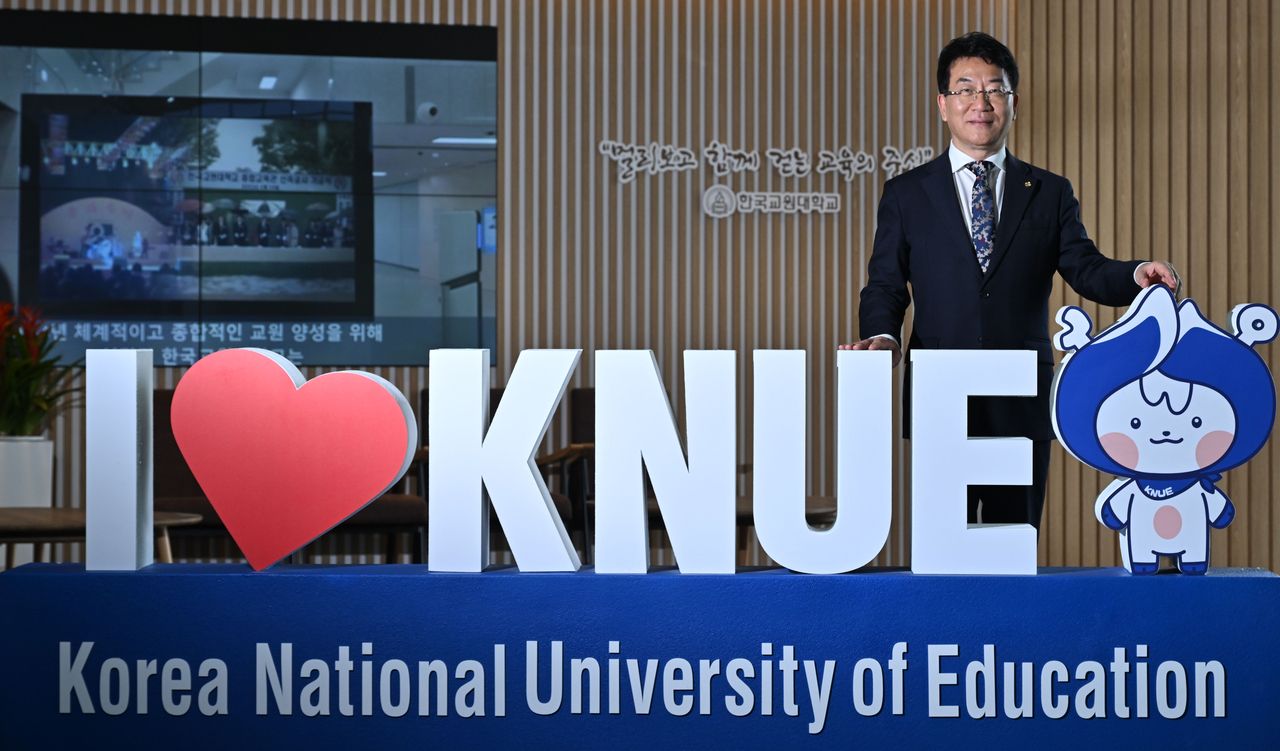
As the AI era takes hold in earnest, Cha Woo-gyu, president of Korea National University of Education, says reading remains the surest path to literacy — even now. His advice: choose good books, and read them all the way through, carefully, from first page to last.
Meeting with a reporter at the university's main administration building in Cheongju on June 4, Cha said the drive that propelled South Korea into the ranks of the world's top 10 economies was a spirit of perseverance — a refusal to quit until a goal was reached. "Young Koreans once had that quality of pushing through hardship to the very end," he said.
"To cultivate that spirit now, you need the strength to read a book page by page, from beginning to end," he added. "Personally, I think that matters a great deal."
Reading alone is not enough, Cha said — the real gains come when students talk and argue about what they have read. "When children learn through play-like debate to build consensus, they develop critical thinking and the ability to sift through information," he said. "They also build the capacity to take in other people's ideas and learn something new from them."
To make that learning last, Cha recommended teaching each other. "You explain to someone else what you learned from a book or a discussion, and you listen to their criticism — that is cognitive learning," he said. "The cognitive process of storing what you have observed and experienced as memory is called retention, and it becomes the foundation for later recall and application."
Cha said schools need to foster a culture in which that kind of learning actually happens. "It helps to form reading or debate clubs so students can read and discuss together rather than alone," he said. "When they pick a subtopic, share their thoughts and work toward a shared view, literacy develops on its own."
He closed by noting that the same approach extends beyond books. "Newspaper articles can be excellent teaching materials in this kind of learning process," he said. "Encouraging children to contribute their own writing to media outlets can draw them into engagement with journalism and, at the same time, build their literacy."
By Shin Sang-yoon from Cheongju
ken@heraldcorp.com





