Real-time links from complaint intake to enforcement and collection streamline processing; data-driven management of chronic dumping sites to be reinforced, with a comprehensive waste-handling dashboard planned
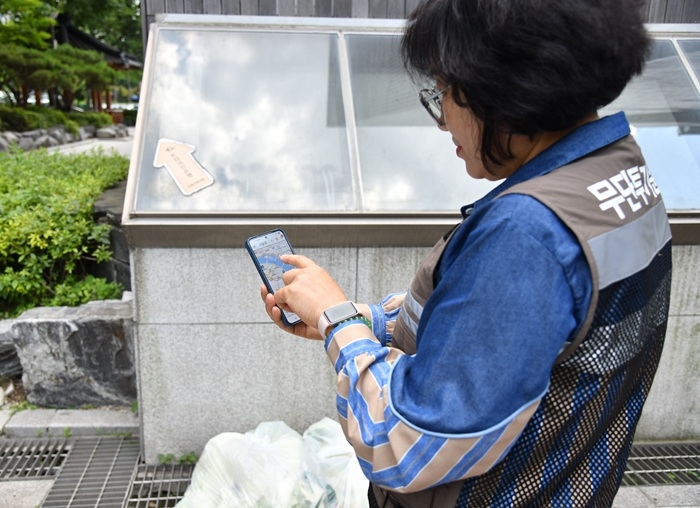
Seoul's Nowon-gu district office has built an integrated management system called "the Clink" that handles illegal waste dumping complaints end-to-end — from intake through on-site enforcement to collection — and will launch it officially in July, district Mayor Oh Seung-rok announced.
The Clink is a smart enforcement system that consolidates the previously fragmented process of receiving complaints, dispatching inspectors and collecting illegally dumped waste into a single workflow. Under the old system, complaint intake, enforcement and collection operated separately, making it difficult to share real-time status updates across teams.
To address those shortcomings, the district office began developing the system in July last year in collaboration with a private firm and completed it in April this year.
The system's defining feature is a PC- and smartphone-based integrated management framework that connects the office and the field in real time.
When a complaint is filed with the district office, the precise location and details of the dumped waste are immediately pushed to the smartphones of field enforcement officers. Officers confirm the location on a mobile map, head to the scene and carry out inspections and warnings. Once they log the results in the app, collection crews review the entry, remove the waste and register the outcome.
Previously, each stage — complaint intake, enforcement and collection — required repeated office reports and dispatch orders. With the Clink consolidating every step into one system, the workflow has been significantly shortened and overall processing efficiency has improved.
The Clink goes beyond simply speeding up complaint handling. By centralizing the history of all complaints received, the system helps reduce repeat complaints about the same locations and prevents the additional complaints that arise from processing delays.
Real-time sharing of enforcement and collection results also minimizes gaps or omissions in the complaint-handling process.
Particularly notable is the system's ability to use accumulated data to identify areas where illegal dumping recurs and concentrate management resources there. More efficient deployment of enforcement and collection personnel is another anticipated benefit.
The district office also plans to build a "Nowon-gu Waste Management Dashboard" linked to the Clink inside the district office building. Large monitors would display real-time complaint intake status, waste collection volumes by type and processing progress at a glance, enabling continuous monitoring of the district's cleanliness.
The system was built through private-sector collaboration at no additional budget cost, earning recognition as a model case of simultaneous cost savings and administrative innovation, and drawing attention for its potential to be replicated in other districts. The district office plans to continue refining the system after the official July launch to maximize its utility.
"Building the Clink system is an innovative achievement that reduces the workload on our staff while maximizing administrative efficiency," district Mayor Oh said. "I look forward to continuing to develop the system so that residents can feel a tangible improvement in the cleanliness of their daily environment."
seouldream01@heraldcorp.com