11th Displaced Persons Culture Festival draws large crowds
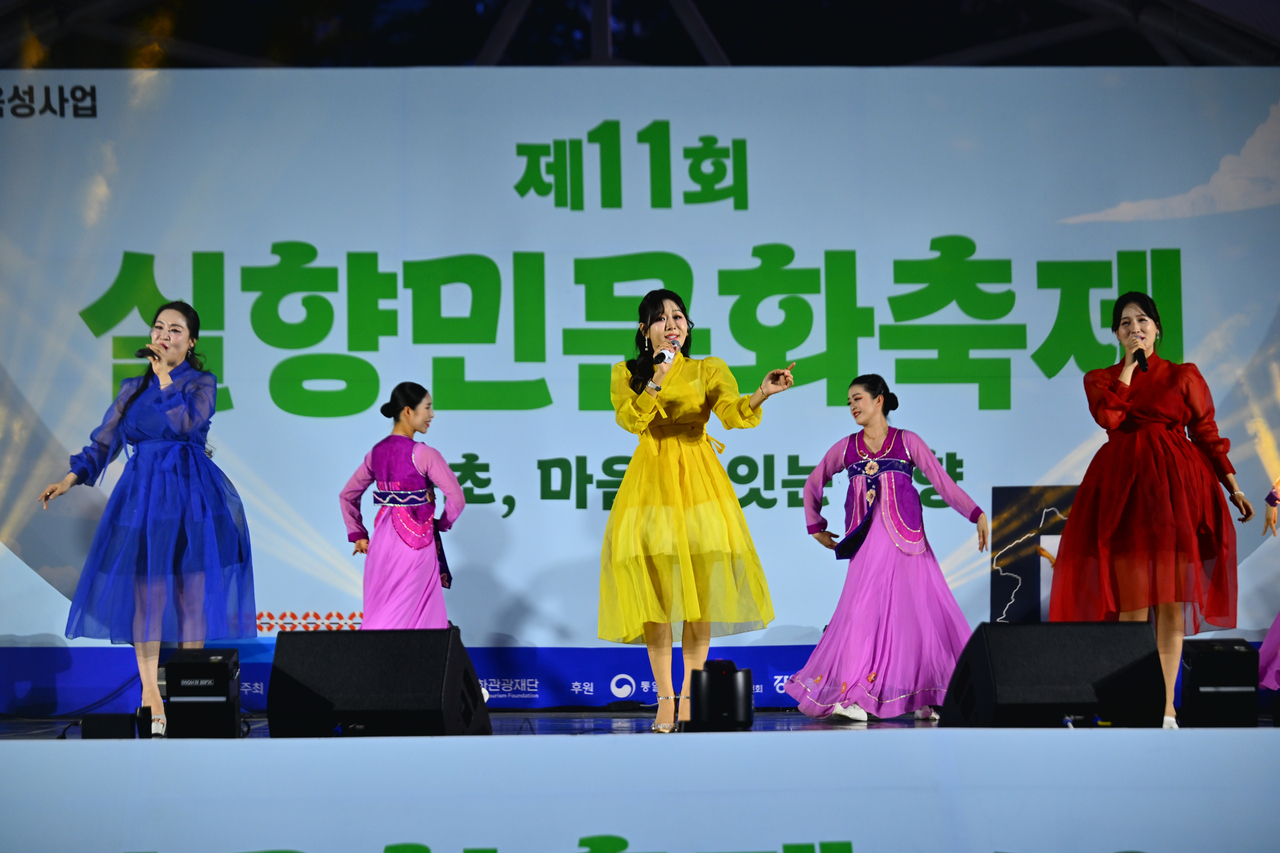
"Sokcho — a hometown that connects hearts."
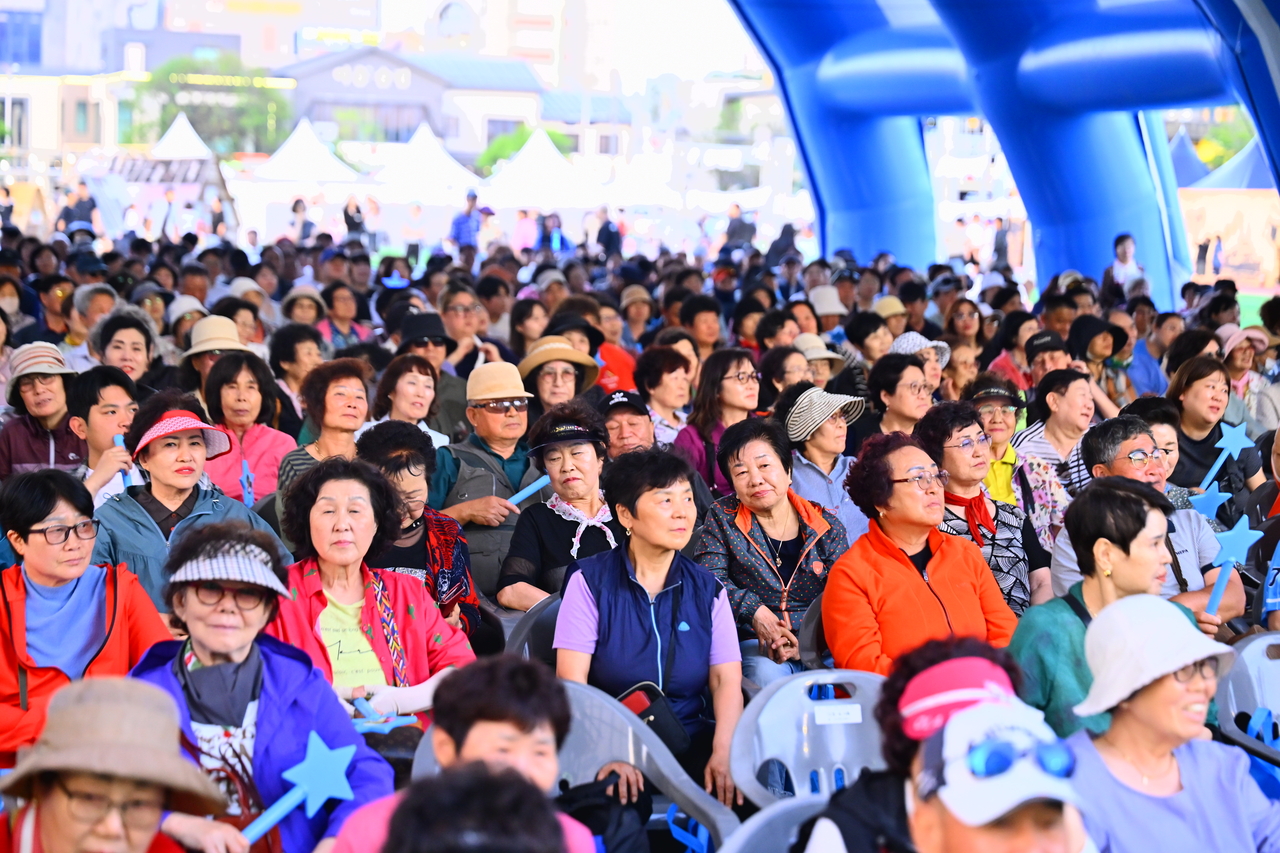
The 11th Displaced Persons Culture Festival drew some 58,000 displaced persons, family members and relatives, closing out as a resounding success.
Sokcho city and the Sokcho Culture and Tourism Foundation said Monday the festival was held June 12 and 13 at the Expo Lawn Plaza and Abai Village in Cheongho-dong.
Sokcho is one of South Korea's most representative cities shaped by the Korean War, as displaced persons settled there en masse after the conflict and have maintained a distinct cultural identity ever since. Abai Village stands as the most prominent symbol of that legacy.
With growing concern that the culture could be lost as the first and second generations of displaced persons continue to age, Sokcho city and the Sokcho Culture and Tourism Foundation said they redesigned this year's event as a "national displaced persons culture platform," focusing on enabling the third and fourth generations, local residents and tourists to preserve and carry on the culture together.
The festival's overarching direction was centered on preserving and passing down displaced persons culture, while strengthening cross-generational empathy and participation.
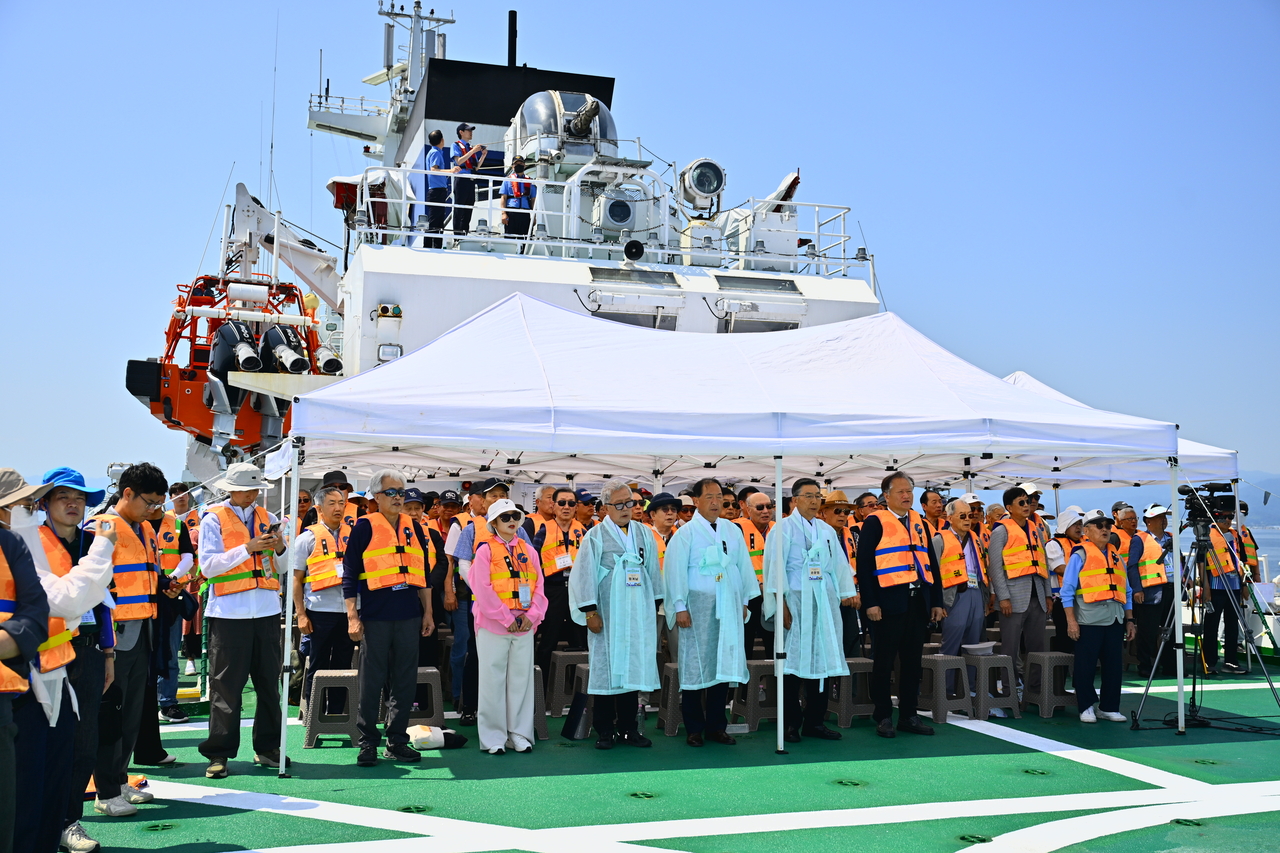
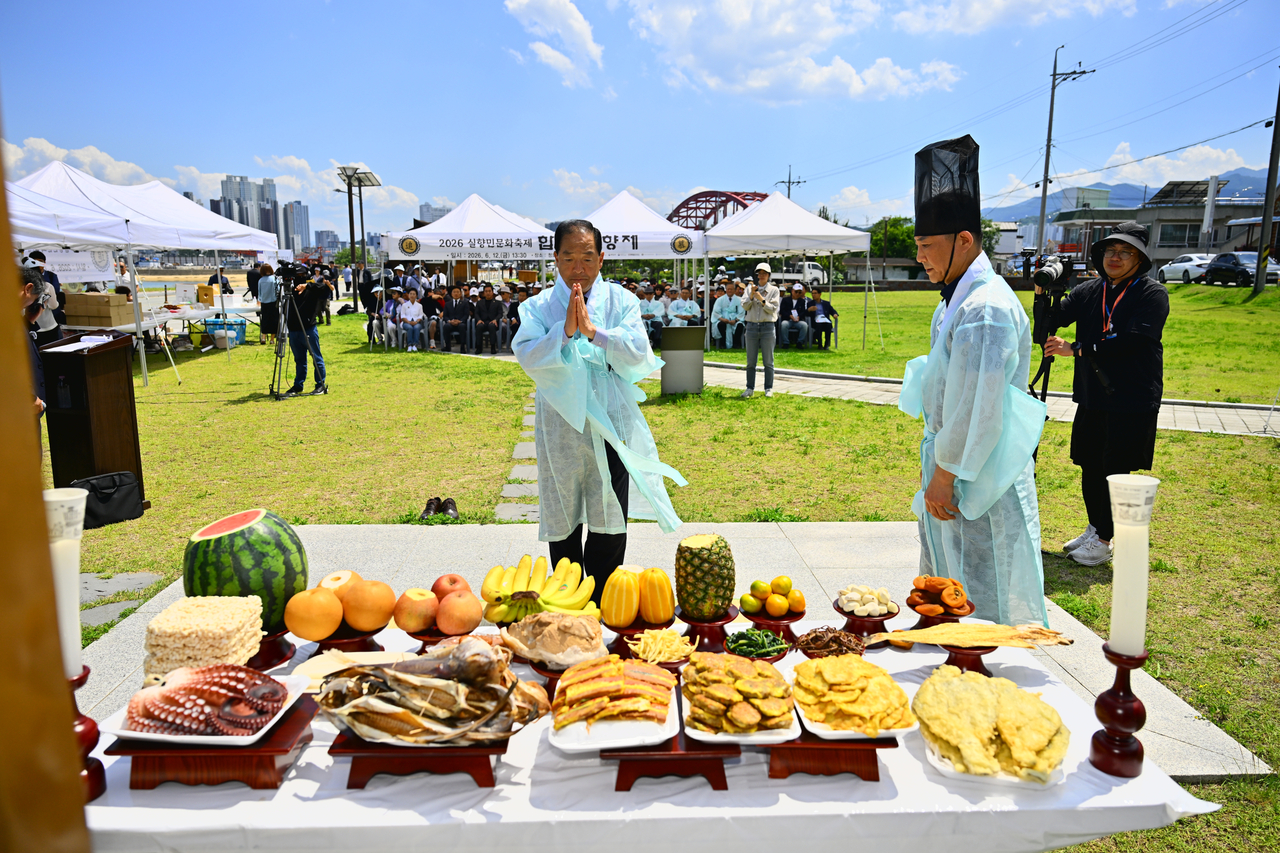
A joint memorial service and a maritime memorial rite honored the grief of the displaced, while a refugee procession performance, a displaced persons theme village and a displaced persons culture history hall conveyed to residents and tourists the history and meaning of the culture that has taken root in Sokcho.
"The 11th Displaced Persons Culture Festival carries great significance in that it has grown beyond a commemoration of displaced persons' memories into a cultural festival that resonates across generations and regions," Sokcho Mayor Lee Byeong-seon said. "We will continue to cherish and pass on Sokcho's unique displaced persons culture and develop it into a nationally representative cultural asset in which both residents and tourists can take part."
A notable change at this year's festival was the diversification of content to make displaced persons culture more accessible. A food talk show, a culinary program reimagining North Korean dishes in a contemporary style, and dedicated family-friendly spaces all helped lower the barrier to entry and broadened the festival's potential as a destination event.
Organizers also screened winning entries from a displaced persons culture content competition and incorporated an AI photo exhibition and other new formats — efforts to move displaced persons culture beyond a memory of the past and establish it as a living cultural asset of the present.
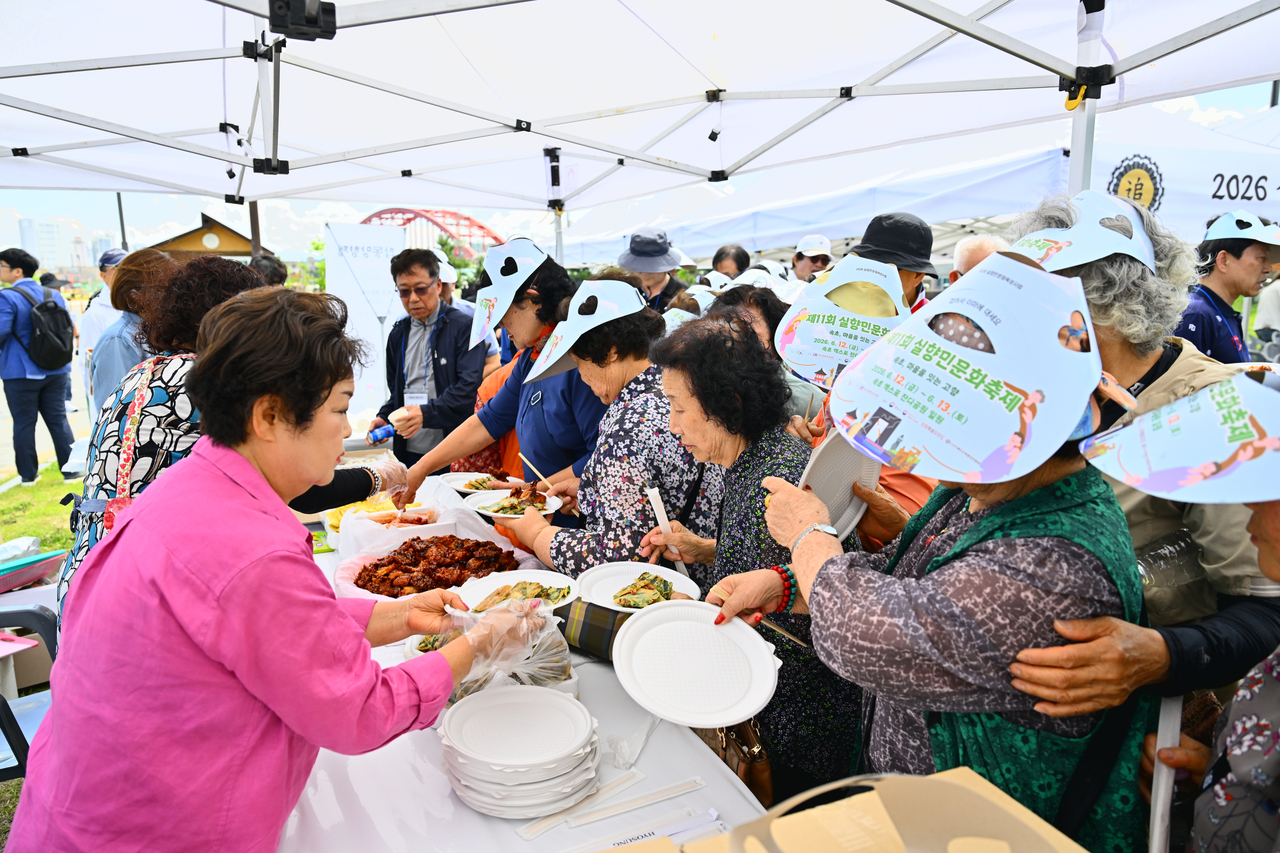
Residents and tourists who visited the festival grounds experienced the lives and history of displaced persons in a variety of ways, sharing in Sokcho's distinctive urban identity. The city plans to use the festival as a springboard to cultivate displaced persons culture as a core local cultural asset and develop Sokcho into South Korea's leading platform for displaced persons culture.
Meanwhile, Sokcho — which has been working to spread the values of peace and reconciliation through the festival — is also actively pursuing the creation of a peace economy special zone promoted by the Ministry of Unification, following the city's designation as a border area, as it lays the groundwork to emerge as a hub city for peace and prosperity on the Korean Peninsula.
The city envisions building a "maritime peace route" that would expand on the former Sokcho–Geumgangsan (Jangjeon Port) maritime tourism corridor and connect Sokcho Port — to be equipped with an international car ferry and cruise home port — with the Wonsan-Kalma coastal tourism zone, Russia and Japan.
abc@heraldcorp.com