Agency mediated disputes including landmine removal in Cheorwon, easing hardship for 30,000 people; amendments to anti-graft and conflict-of-interest laws also planned, with expanded rewards for whistleblowers
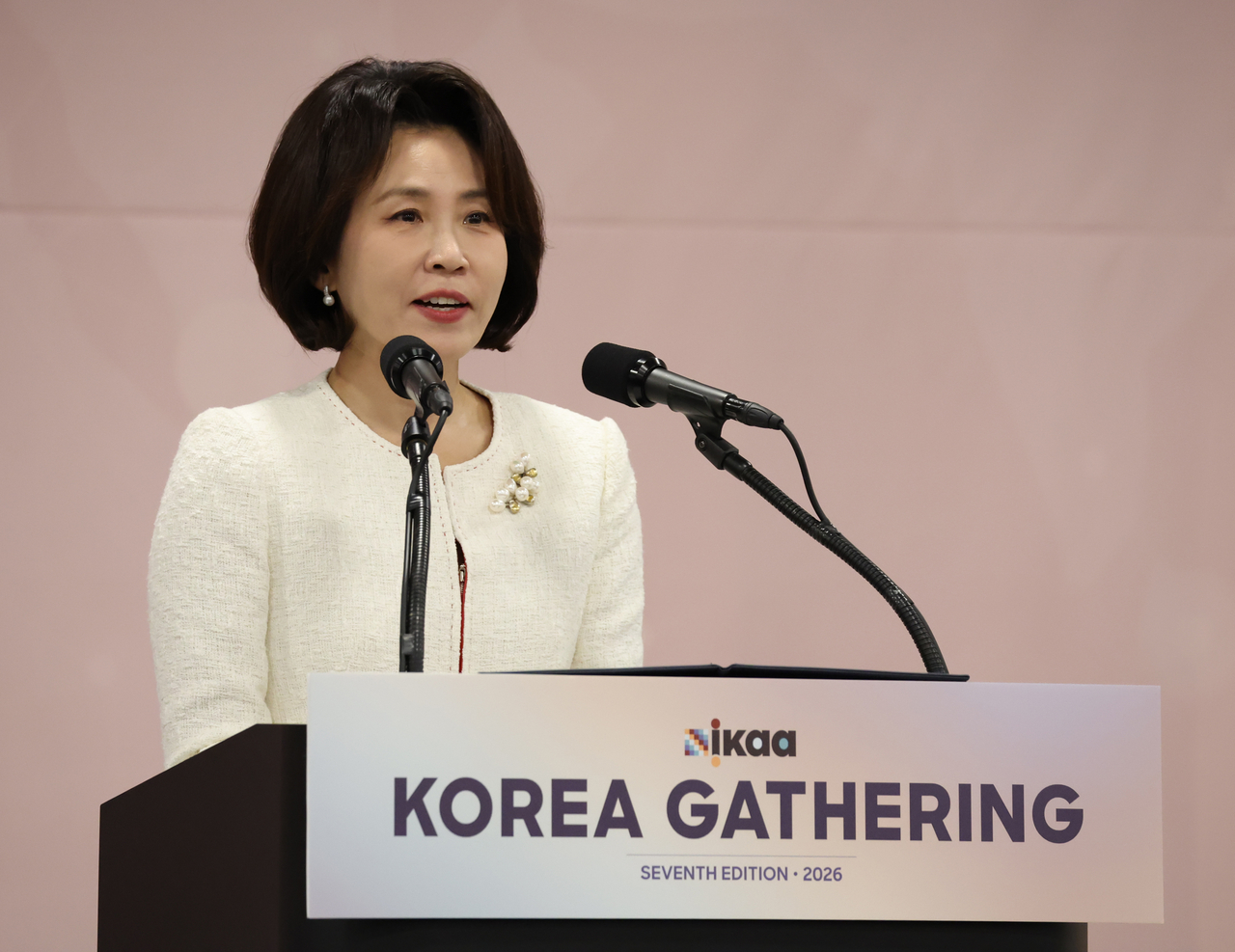
![Jeong Il-yeon, newly appointed chairperson of the Anti-Corruption and Civil Rights Commission [Yonhap]](https://wimg.heraldcorp.com/news/cms/2026/06/15/news-p.v1.20260414.e1e2899b73d84a8e8066086bf46909f8_P1.jpg)
The Anti-Corruption and Civil Rights Commission is stepping up efforts to deliver tangible results for the public, centering its agenda on mediating group complaints and overhauling its civil petition system with AI.
Commission Chairperson Jeong Il-yeon appeared on KTV's public broadcast channel Monday, highlighting the resolution of collective grievances as the agency's top achievement over the past year.
"We set up a dedicated unit to strengthen our mediation function and resolved a total of 70 group complaints through direct dialogue between the parties involved," Jeong said. "The effort helped ease conflicts affecting roughly 30,000 people."
Among the cases cited was the removal of displaced landmines in the border area of Cheorwon-gun, Gangwon Province, and a dispute over river dredging. The commission brokered an agreement among residents, local authorities and the military, allowing landmine clearance operations to resume and safety measures to be put in place.
Jeong said the agency also formed a dedicated team to handle repeat complaints, clearing a backlog of duplicate and long-running cases.
The commission is also pushing to expand its integrated "110" call center to improve public access to government services. "We plan to gradually link the phone numbers of the 697 public institutions currently in operation to the single 110 number, so people can get assistance with just one call," Jeong said. The agency aims to bring 300 institutions onto the system by the end of this year, with 34 more agencies to follow.
Revamping the National Sinmungo public petition portal with AI is another priority. Jeong said the commission is building a system in which AI holds real-time conversations with petitioners to help fill out applications and automatically routes them to the appropriate agency. The system will also flag urgent complaints and batch-process duplicates to improve administrative efficiency. Full deployment is scheduled for next year.
The commission is also working to streamline administrative procedures. To make the shared administrative information system more effective, the agency reviewed civil petition forms across various services, identified unnecessary supporting documents and notified the relevant agencies. The move is expected to reduce the burden on citizens who are currently required to resubmit information the government already holds.
Jeong also highlighted efforts to promote administrative appeals as a faster and less costly alternative to litigation, citing a case in which a denial of veterans' benefits recognition was overturned on appeal.
Anti-corruption reforms are also in the works. The commission plans to submit amendments to the Improper Solicitation and Graft Act and the Act on the Prevention of Conflicts of Interest to the National Assembly in September. The proposed revisions include new prohibitions on improper solicitation, stiffer penalties for violations and a mandatory disclosure requirement for senior public officials' private-sector activities.
Jeong also noted the commission's international engagement. In May, she attended the International Ombudsman Institute conference in Italy, where she presented South Korea's civil petition innovation model and took part in adopting the Rome Declaration. "South Korea's approach to mediating collective disputes and its AI-based petition system drew significant international attention," she said.
In addition, the commission is pursuing stronger protections and rewards for public interest whistleblowers. Measures under review include abolishing the current 3 billion won (about $2.17 million) cap on reward payments, allowing whistleblowers to receive up to 30 percent of the fiscal recovery their reports generate, and enacting a basic law on whistleblower compensation. Reports received from January through May totaled 11,199 cases, a 150 percent increase from the same period a year earlier.
"The commission will play a central role in translating the public's voice into policy improvements and building a fairer society," Jeong said.
rimsclub@heraldcorp.com