MOU signed at M.AX AI semiconductor assembly; Samsung foundry among 11 participants
![Kim Seong-yeol, director general of the Ministry of Trade, Industry and Energy's industrial growth division, shakes hands with a bipedal humanoid robot at the second M.AX Conference held at Robotis in Magok-dong, Gangseo-gu, Seoul, on May 29. [Yonhap]](https://wimg.heraldcorp.com/news/cms/2026/06/15/rcv.YNA.20260529.PYH2026052916600001300_P1.jpg)
South Korea's government has launched an initiative to build a full-cycle support ecosystem for domestically developed on-device AI chips, covering design, production and verification. The effort centers on an 800 billion won (about $526 million) program to develop 10 types of demand-tailored on-device AI chips.
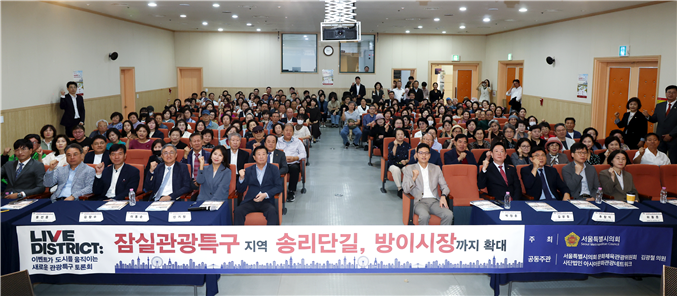
The Ministry of Trade, Industry and Energy said Sunday it held the "2026 M.AX (Manufacturing AI Transformation) Alliance AI Semiconductor First-Half General Assembly" at the L Tower in Seocho-gu, Seoul, and formally launched a Semiconductor Manufacturing Support Task Force.
The task force is designed to establish a cooperative framework covering the design, manufacturing and verification stages of domestically developed AI chips.
Eleven organizations signed an MOU at the event, including the ministry, the Korea Evaluation Institute of Industrial Technology, semiconductor IP firms Synopsys and Cadence, and Samsung Electronics as the foundry partner.
The task force plans to help domestic fabless chip designers — companies that specialize in semiconductor design without owning fabrication facilities — by subsidizing semiconductor IP licensing costs, which account for the largest share of development expenses, as well as design software and related licenses.
It will also work out foundry technical support arrangements and manufacturing line allocations to ensure that AI chips developed under the K-On-Device program move into fabrication and verification without schedule delays.
The ministry expects the task force to underpin the K-On-Device AI Semiconductor Technology Development Project, which it identified as a core strategy when it launched the M.AX Alliance's AI semiconductor division in September last year.
Through the project, the ministry aims to support development of 10 types of advanced domestically made on-device AI chips ready for immediate commercialization, and to integrate and validate the finished chips in end products.
The ministry said the effort requires close R&D collaboration between chip buyers and fabless designers, as well as contributions from domestic and international semiconductor IP firms to assist with design and from foundry companies to handle production and verification.
"This agreement creates an on-device AI semiconductor manufacturing ecosystem where demand-side companies pull development forward by reflecting market needs, while semiconductor IP firms and foundries provide the advanced design and manufacturing foundation," said Kim Seong-yeol, director general of the ministry's industrial growth division. "The government will spare no policy support to ensure domestically made advanced AI semiconductors can lead the M.AX initiative."
oskymoon@heraldcorp.com