War ends after 106 days
MOU signing date and venue confirmed
Strait of Hormuz to open immediately; economic headwinds ease
Global supply chains to normalize; oil prices seen falling
World stocks rebound; Kospi surges past 8,500
The war between the United States and Iran — launched when the US and Israel carried out airstrikes on Feb. 28 — came to an effective end after 106 days. Both countries announced Sunday that they had agreed to a peace deal, and said the Strait of Hormuz would open immediately upon signing.
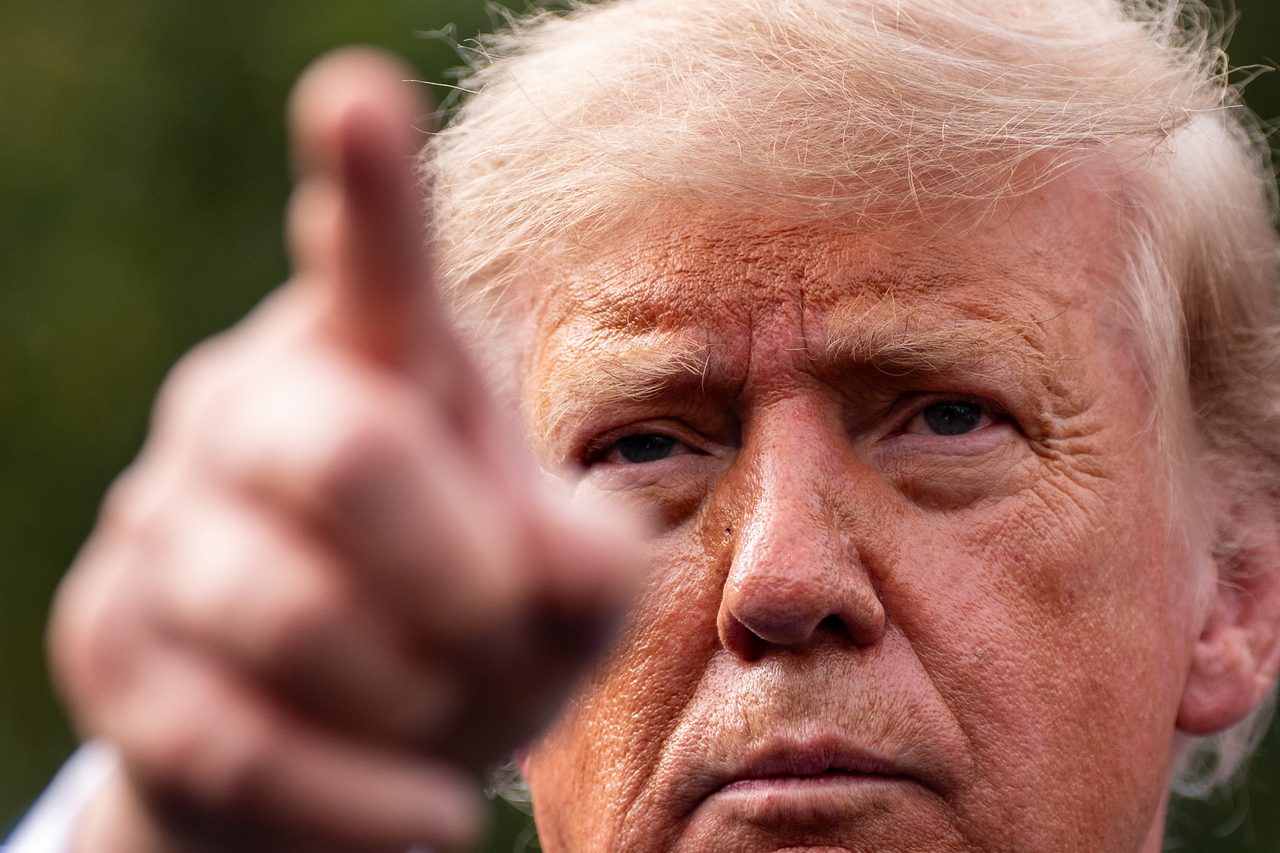
President Donald Trump posted on Truth Social at around 5:30 p.m. Eastern time Sunday (6:30 a.m. Korean Standard Time Monday) that "negotiations with the Islamic Republic of Iran are now complete." He added that he was authorizing "full passage through the Strait of Hormuz" and the "immediate lifting of the US naval blockade." "Ships of the world, start your engines. Let the oil flow!" he wrote.
Iranian Deputy Foreign Minister Kazem Gharibabadi also told a television interviewer that a "permanent and immediate end to the war on all fronts, including Lebanon, has been declared starting tonight," according to Reuters and other outlets. Iran's Foreign Ministry said a memorandum of understanding on ending the war with the United States had been concluded and would be signed in Switzerland on June 19.
Pakistani Prime Minister Shehbaz Sharif, who brokered a truce between the two sides on April 8 and has led mediation efforts for more than two months since, posted on X that "both sides have declared an immediate and permanent cessation of military operations on all fronts, including Lebanon." He added that mediating countries would arrange a series of meetings this week following the deal.
US Vice President JD Vance, speaking to Fox News by phone after news of the agreement broke, said details of who would attend the June 19 signing ceremony in Switzerland were still being worked out. "I certainly plan to attend, but it is also possible that the president will go himself," he said.
If Trump attends the signing, he would return to Washington after the G7 summit in Évian, France — running Monday through Wednesday — before traveling back to Europe for Switzerland.
The specific terms of the US-Iran MOU have not been made public, but Reuters reported that Iran has pledged to abandon nuclear weapons and open the Strait of Hormuz immediately.
According to Reuters, the United States agreed to lift its counter-blockade of the strait, return about 33.5 trillion won ($25 billion) in frozen Iranian funds held abroad, temporarily suspend sanctions on Iranian oil exports, and allow highly enriched uranium to be diluted on Iranian soil. The MOU is said to include an Iranian commitment never to manufacture or acquire nuclear weapons under any circumstances. Iran also agreed to freeze further uranium enrichment and refrain from expanding its nuclear facilities until a final agreement is reached.
As news of the war's end spread, US index futures rose across the board and international oil prices tumbled. As of 6:20 p.m. Eastern time Sunday (7:20 a.m. Korean Standard Time Monday), S&P 500 futures were up 0.8 percent, Nasdaq 100 futures gained 1.3 percent, and Dow Jones futures rose 0.6 percent.
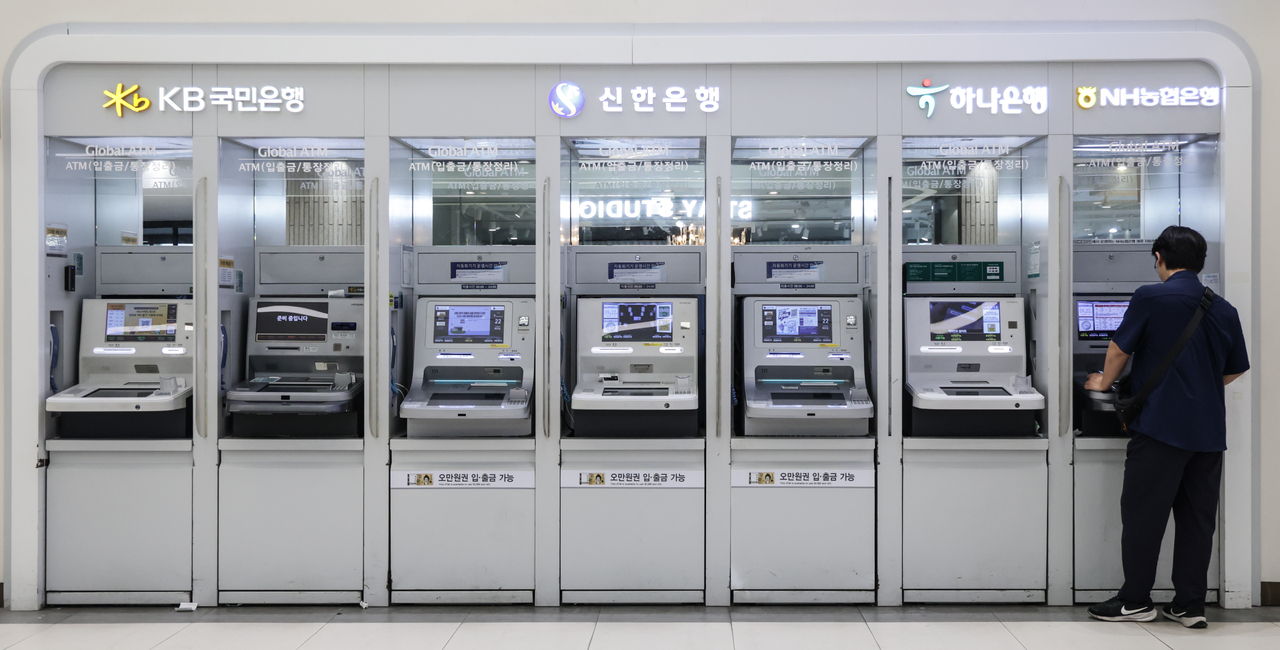
Kospi surged Monday, buoyed by the US-Iran end-of-war agreement. As of 10 a.m., the index was up 5.78 percent from the previous session at 8,593.26, after opening 402.50 points, or 4.95 percent, higher at 8,526.12 and extending gains from there. In the Seoul foreign exchange market, the won opened at 1,511.4 per dollar, strengthening 8.4 won from the previous close.
Oil prices, meanwhile, tumbled sharply. August-delivery Brent crude futures on the ICE exchange fell 3.3 percent to $84 a barrel, while West Texas Intermediate dropped as much as 4.4 percent to $81 a barrel. European natural gas futures also fell as much as 5.8 percent.
kate01@heraldcorp.com
jiyun@heraldcorp.com