Conditions unrelated to business operations to be restricted
Foreign-language advertising rules clarified for medical tourism zones
Criteria for designating and revoking special zones also revised
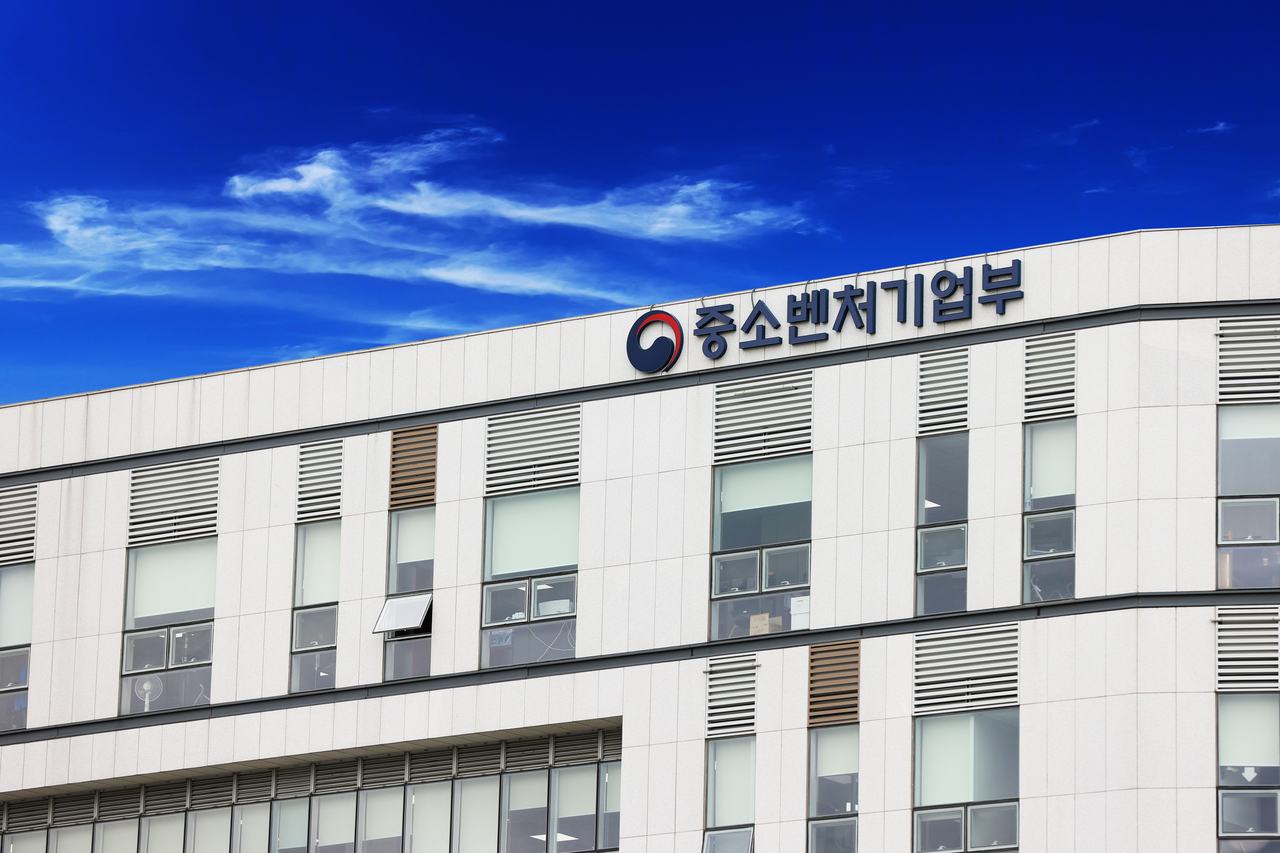
Companies operating in South Korea's regulatory-free zones will no longer face excessive conditions unrelated to their core business when seeking pilot exemptions or provisional licenses. The change aims to reduce the burden on companies during new technology testing and improve the effectiveness of regulatory exemptions.
The Ministry of SMEs and Startups said Tuesday that a revised enforcement decree of the Act on Special Cases Concerning Regulation of Regulatory-Free Zones and Specialized Local Development Zones passed the Cabinet meeting.
Regulatory-free zones are a system under which designated areas outside the Greater Seoul metropolitan area receive regulatory exemptions — including pilot exemptions and provisional licenses — for a set period, allowing innovative local companies to develop products and services using new technologies.
The revision follows up on an amendment to the same act passed last year, incorporating matters delegated by the legislation and reflecting a reform plan for the specialized local development zone system announced in November last year.
The amendment clarifies the scope of conditions that may be attached to regulatory exemptions. Some zones had faced criticism that the ministries overseeing relevant regulations were imposing conditions not directly related to safety, or demanding excessive management obligations, causing delays in project implementation.
Going forward, conditions attached to pilot exemptions and provisional licenses will be limited to what is necessary to ensure safety and prevent risk. The revised decree specifies that conditions with low relevance to the business or those that place an excessive burden on companies may not be imposed.
The specialized local development zone system is also being revised. The amendment clarifies which medical institutions may run foreign-language medical advertisements within such zones, defining them as institutions registered under the Act on Support for Overseas Advancement of Korean Medical Services and Attraction of Foreign Patients. Medical institutions in medical tourism zones — including the Miracle-Medi Special Zone in Gangseo, Seoul; the Smart Medical Special Zone in Yeongdeungpo; the Global Medical Special Zone in Daegu; and the Global Hi-Medi Hub Special Zone in Seo-gu, Busan — will be able to pursue foreign patient attraction activities more actively as a result.
The revised decree also includes measures to improve the effectiveness and operational efficiency of the special zone system: establishing a post-management period for regulatory-free zones, introducing quantitative indicators in the review process for designating specialized local development zones, and tightening requirements for revoking such designations.
Since introducing the regulatory-free zone system in 2019, the ministry has designated 49 zones and granted 136 regulatory exemptions, leading to revisions in 62 laws and regulations in support of fostering new regional industries.
The revised enforcement decree takes effect July 1, and the ministry said it plans to pursue follow-up measures to ensure the new rules take hold smoothly on the ground.
boo@heraldcorp.com