Lawmaker Lee Hun-gi holds emergency press conference to announce transition committee's fiscal audit findings; blames predecessor Yoo Jeong-bok's populist spending for crisis
Park Chan-dae's incoming Incheon city administration is set to inherit a fiscal burden of 5.5 trillion won ($3.58 billion) when it takes office Wednesday.
The financial shortfall and deferred project costs left by outgoing Mayor Yoo Jeong-bok's administration are being described as a "shackle" that will constrain the incoming city government from the start.
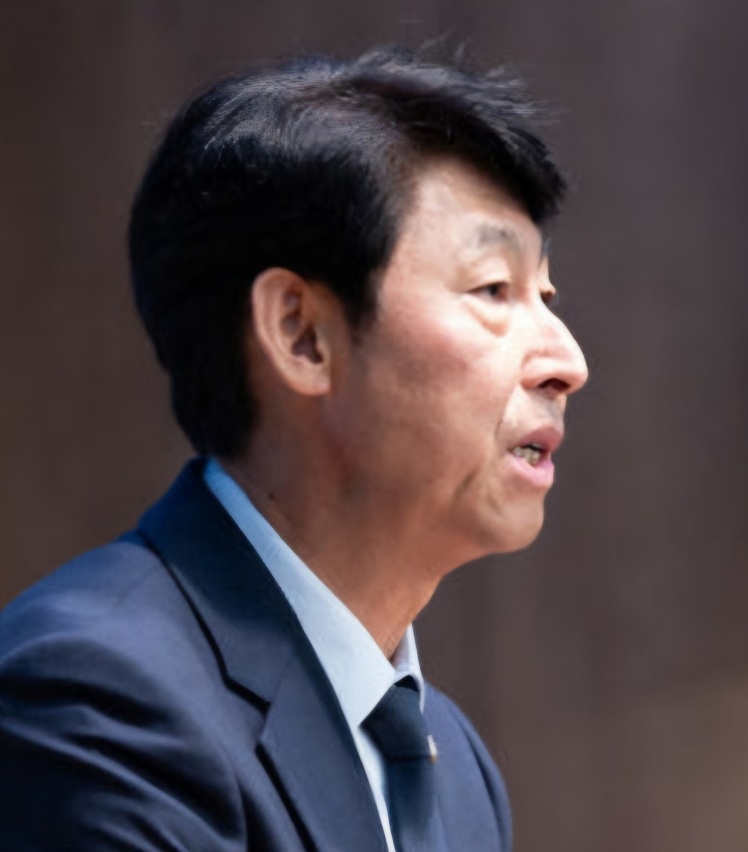
Rep. Lee Hun-gi, who heads the transition committee's livelihood recovery task force, held an emergency press conference at Incheon City Hall Thursday to announce the results of the committee's fiscal audit. "On top of the 458.5 billion won in funding shortfalls that former Mayor Yoo deferred to the second half of this year, the potential fiscal burden the next administration must absorb exceeds 5 trillion won — bringing the total fiscal hole to 5.5 trillion won," Lee said.
The transition committee identified two root causes of the crisis: a decline in local tax transfers resulting from the Yoon Suk Yeol government's tax revenue shortfall, and former Mayor Yoo's decision to press ahead with populist, election-driven projects despite that decline.
Critics have pointed to the near-collapse of Yoo's flagship campaign pledges — including the Jemulpo Renaissance and New Hong Kong City projects, which consumed tens of billions of won in research and consulting fees before effectively stalling — as the backdrop for what they describe as a pivot to cash handouts and vote-buying spending in the final stretch of his term.
Four fiscal 'time bombs' threatening the incoming administration
The transition committee identified four specific sources of pressure behind the 5.5 trillion won figure.
The first is election-driven supplementary budgeting and reserve depletion. Breaking with the convention of not passing a supplementary budget before local elections, Yoo drew on 110 billion won in surplus funds and 77.4 billion won in local tax transfers, and issued 66.3 billion won in municipal bonds — all funneled into a supplementary budget passed just before the election.
A particularly cited example of election-driven administration was the sudden increase of the cashback rate for the Incheon e-eum card to 20 percent just before the election, after years of keeping it suppressed.
The second is hidden second-half budget obligations and a surge in debt. Some 458.5 billion won needed for essential projects from September onward was left out of the budget and deferred to the second half of the year.
Without extraordinary countermeasures, Incheon's total debt is expected to approach 2.9029 trillion won by year's end — an increase of more than 700 billion won in a single year.
The third is a "pass-the-bomb" approach to project costs deferred beyond the outgoing term. The combined budget for 28 key programs rolled out in the second half of Yoo's term — including the I+ Silver Pass and Angel Support Grant — is projected to balloon 14-fold, from 25 billion won in 2022 to 350 billion won in 2027.
As a result, the Park administration is expected to bear at least 1.4 trillion won in costs from these programs over the next four years.
The fourth is 3.66 trillion won in what the committee calls "boomerang budget" obligations. Reserve funds drawn down by more than 300 billion won annually to plug budget gaps are now spent, with repayments set to begin next year.
On top of that, a series of previously obscured costs are coming due: annual principal and interest payments on Incheon Free Economic Zone land sales (80 billion won per year), tunnel build-transfer-lease operating costs (120 billion won per year), and loss compensation for the Cheongna Sky Bridge (300 billion won).
"Behind the flashy campaign pledges lies a 5.5 trillion won boomerang that is strangling the next administration's finances," Lee said. "We will prepare extraordinary measures to match this extraordinary situation."
9th elected term to launch emergency fiscal restructuring
The transition committee said it has entered emergency mode, aiming to close the fiscal gap left by the outgoing administration while still delivering on Park's key campaign pledge of a 100-day livelihood recovery initiative.
The committee said it is weighing all available options — aggressive expenditure restructuring, cuts to wasteful projects, revenue optimization and municipal bond issuance — as it works out a financing plan.
For large-budget programs such as the Incheon e-eum card, the committee plans to fine-tune cashback rates and spending caps to ensure long-term sustainability, while also identifying non-budgetary initiatives to improve residents' quality of life without adding to fiscal pressure.
"When the transition committee wraps up its work, we will transparently report to citizens a realistic set of recommendations for the 100-day livelihood recovery initiative and a substantive fiscal restructuring plan for after the inauguration," Lee said. "We will rebuild the collapsed economic and fiscal foundations so that Incheon city government becomes a guardian of residents' lives."
gilbert@heraldcorp.com