Tech briefing on Eurodual held in Seoul
Locomotive runs on both electrified and non-electrified lines
'85% of diesel mileage runs on electrified track'
Fuel and maintenance savings highlighted
Aging fleet replacement demand in focus
![Stadler hosts a technical briefing on its hybrid locomotive, the Eurodual, for South Korean rail industry officials in Seoul on Friday. [Stadler]](https://wimg.heraldcorp.com/news/cms/2026/06/26/news-p.v1.20260626.86954be10eb547db99856dfba7c865e8_P1.jpg)
Swiss rolling stock manufacturer Stadler is accelerating its push into the South Korean rail market. The move comes as the government has called for structural reform in the sector, citing bid-rigging among rail public institutions and a closed market structure — and a global rail company is now offering an eco-friendly, high-efficiency alternative to aging diesel locomotives.
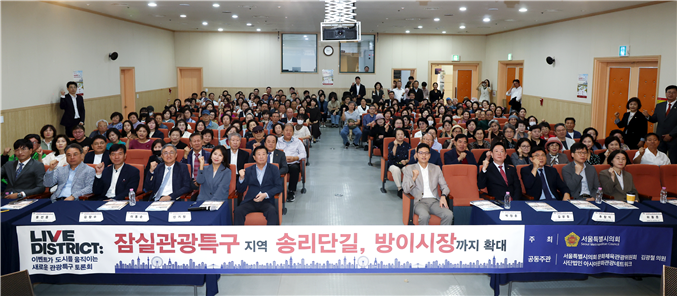
Stadler held a technical briefing on its hybrid locomotive, the Eurodual, for South Korean rail industry officials at Seoul Station in Jung-gu, Seoul, on Friday. The Eurodual is a dual-mode locomotive capable of running on both electric and diesel power.
On electrified sections equipped with overhead lines, the locomotive operates in electric mode; on non-electrified sections, it switches to diesel. The key advantage is that it retains the route flexibility of a conventional diesel locomotive while cutting fuel consumption and emissions on electrified stretches.
Stadler sees strong potential for the Eurodual in South Korea's rail environment. As of 2023, the country's rail electrification rate stands at 78 percent, yet 85 percent of diesel locomotive mileage still occurs on electrified track — meaning diesel fuel is being burned on segments where electric operation is already possible.
Stadler estimates that replacing Korail's aging diesel fleet with the Eurodual would enable electric-mode operation on electrified sections, cutting annual fuel and maintenance costs by more than 50 billion won ($32.4 million). If high diesel fuel prices are factored in, annual savings could exceed 70 billion won, the company said.
Stadler also highlighted the locomotive's environmental credentials. The Eurodual is fitted with a common-rail CAT C175-16 engine, which the company says is more fuel-efficient than older engines currently in service in South Korea. When running on 100 percent hydrotreated vegetable oil, the locomotive can cut carbon dioxide emissions by more than 93 percent. Over its full lifecycle, it can reduce air pollutants by approximately 37,000 tons, Stadler said.
On safety, Stadler highlighted the locomotive's redundant design. The Eurodual uses independently controlled inverters for each axle, so a fault in one component does not compromise overall operability. It can also run independently during power outages or supply interruptions, enabling emergency towing of electric trains or passenger evacuation support.
Stadler operates more than 12,400 rail vehicles across 50 countries. The Eurodual platform has sold more than 500 units in the European market. The locomotive also features a modular structure that can accommodate digital automatic couplers, allowing for future retrofits and digitalization.
South Korea's rail industry is currently weighing both the replacement of aging diesel locomotives and the introduction of more competitive procurement structures. As pressure grows for greener operations and cost savings, whether to adopt internationally standardized platforms is expected to become a key issue going forward.
"Introducing a globally standardized platform with proven technological competitiveness is essential to resolving structural problems in the rail sector and improving the operational efficiency of public institutions," a Stadler official said. "The Eurodual is the most ideal and proven solution for eliminating the deficit in Korail's aging diesel fleet and minimizing track maintenance costs. Starting with this technical briefing in Seoul, we will actively contribute to strengthening the competitiveness of South Korea's rail industry and advancing the transition to eco-friendly mobility."
kwater@heraldcorp.com