AI-based tax practice platform organizes 708 pages of materials into 46 structured categories — so standards stay consistent even when staff turns over
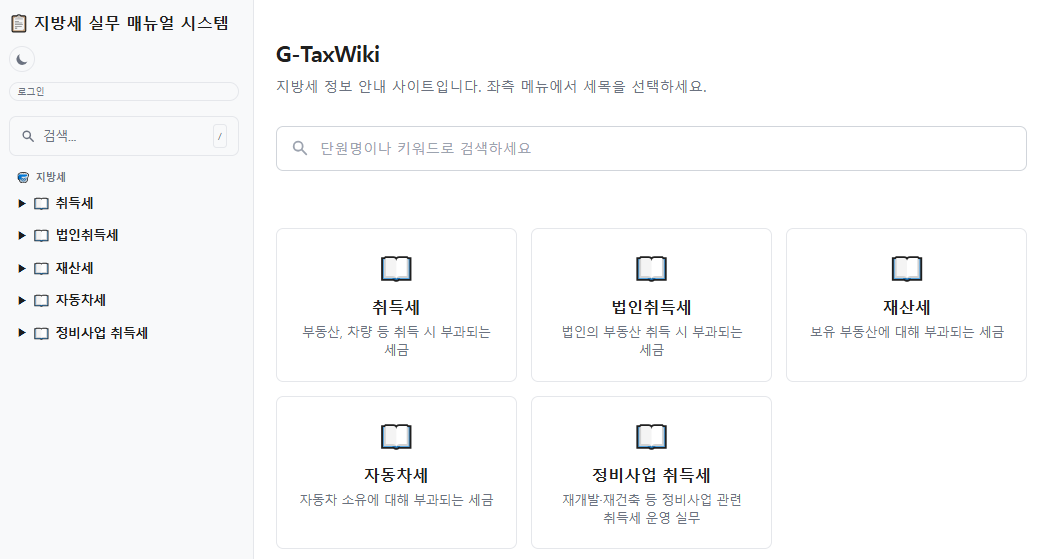
Gangnam-gu (district mayor Jo Seong-myeong) has launched an AI-based tax practice platform called G-TaxWiki to handle complex acquisition tax complaints more accurately and efficiently.
The platform combines structured tax knowledge, AI-assisted draft writing, and automatic detection of legislative changes — and the district expects it to cut complaint processing time by up to 80 percent.
Gangnam-gu handles a high volume of complex tax disputes, including surcharges on high-value residential transactions and corporate real estate acquisitions — matters that directly affect residents' property rights. Until now, staff had to manually search through vast volumes of statutes and past cases, making the process time-consuming. When personnel changed, accumulated know-how was often lost.
To address this, the district built G-TaxWiki by consolidating 708 pages of foundational materials scattered across the department — including acquisition tax filing manuals, corporate surcharge procedures, and property tax operations guides — and structuring them into 46 core practice categories. Processed cases, review opinions, court rulings, and authoritative interpretations are stored and managed under standardized fields. Any staff member can review cases quickly and consistently, regardless of turnover.
When a staff member enters key issues or notes into G-TaxWiki, the AI automatically generates a review report and a draft response to the complaint. Civil servants then review and approve the final judgment and reply. The four-step workflow — drafting, review, approval, and internal sharing — is designed to strengthen both accuracy and accountability.
The platform also improves responsiveness to legislative changes. G-TaxWiki links to the Ministry of Government Legislation API to automatically detect amendments to local tax laws and flag relevant entries for revision review. It also maintains a change log recording the before-and-after text of amended provisions, the date of change, and the reason — keeping the database current and reliable.
The project converts local tax work that once depended on individual experience into a shared digital asset — an administrative innovation Gangnam-gu calls its own. It integrates staff-driven knowledge accumulation, AI draft generation, civil servant verification, and automatic legislative monitoring into a single system, going well beyond a simple search tool.
"Acquisition tax complaints are directly tied to residents' property rights, so accuracy and accountability matter just as much as speed," district mayor Jo said. "Through G-TaxWiki, we will share the experience and knowledge of individual staff members across the entire organization, and combine the speed of AI with the expertise of civil servants to deliver trustworthy tax administration."
seouldream01@heraldcorp.com