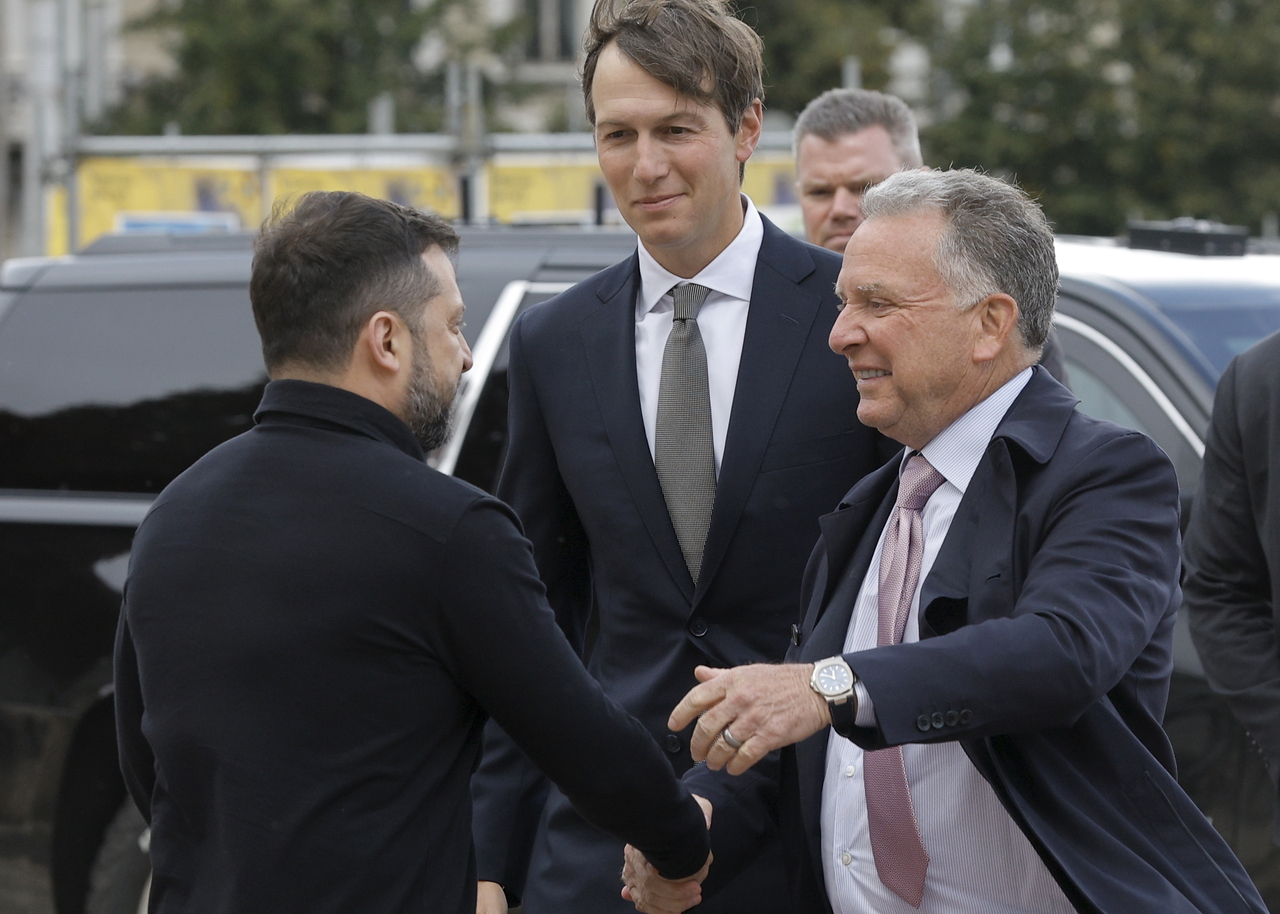
![Representatives of Hyundai Motor's management and union sit down for the opening session of this year's wage negotiations at the Ulsan factory on May 6. [Hyundai Motor]](https://wimg.heraldcorp.com/news/cms/2026/07/10/rcv.YNA.20260506.PYH2026050607740005700_P1.jpg)
Hyundai Motor President and CEO Choe Yeong-il expressed regret Friday over the union's announcement of partial strikes following the breakdown of this year's wage negotiations, saying it was unacceptable for the union to move toward a strike over demands such as the reinstatement of dismissed workers and a retirement age extension, despite the company having put forward three wage proposals.
In a statement issued Friday, Choe said he was "deeply regretful that the union is heading toward a strike over issues such as the reinstatement of dismissed workers and a retirement age extension." He urged the union to withdraw its strike plans, adding that it "must not take the irreversible path of a strike."
Management and the union failed to reach an agreement at their 15th round of negotiations on Wednesday. The company tabled its third proposal — a base pay increase of 89,000 won ($59) per month, a performance bonus of 350 percent plus 10 million won, and 15 shares of company stock — but the union declared the talks over, saying the offer fell short of members' expectations.
Choe said the company had already put forward the best offer it could. "On Wednesday, the company presented what was in effect its best proposal," he said, explaining that management had made the decision "particularly in light of the need to pursue an earnings turnaround through new model launches in the second half of the year and to meet customer expectations."
Hyundai Motor faced pressure on both production and sales in the first half of this year due to parts supply disruptions, recalls and logistics burdens. The second half is set to see the launches of key new models — including the new Avante, the new Tucson and the Genesis GV90 — making it critical for the company to minimize production disruptions.
Choe also directly challenged some of the union's demands. "Even so, the union is again heading toward a strike, citing demands for the reinstatement of dismissed workers and a retirement age extension," he said. "On what grounds can we even discuss reinstating workers whose dismissals have already been upheld by a court ruling as lawful?"
On the retirement age extension, Choe said it was not something an individual company could resolve on its own. "With the political sphere engaged in intense debate over legislating a retirement age extension, can labor and management at a single company be the first to reach a conclusion?" he said, noting that the two sides had agreed just 10 months ago in collective bargaining that the retirement age issue would be "discussed after legislation."
The union plans to stage two-hour partial strikes by shift from Monday through Wednesday, with both the day and night shifts each halting work for two hours — potentially disrupting up to four hours of production line operation per day. The union also began refusing overtime work on Monday of last week.
The strike action follows the collapse of Hyundai Motor's own wage negotiations, but it also coincides with a broader general strike planned by the Korean Confederation of Trade Unions and the Korean Metal Workers' Union. The confederation has called a general strike for Wednesday, demanding direct negotiations with primary contractors, cross-company bargaining and guarantees of basic labor rights, while the metal workers' union has also announced strikes at affiliated workplaces.
Choe said past strikes had brought losses rather than gains. "All that past strikes have won us is irreversible production losses, wage damage and harsh criticism from customers and the public," he said. "There has never been a case where striking led the company to offer more or compensate for lost wages."
The two sides resumed full negotiations on July 2 — 20 days after the union declared a breakdown in talks on June 12. They then held the 13th round on Monday, the 14th on Tuesday and the 15th on Wednesday in a series of intensive sessions, but failed to narrow the gap on key issues including base pay, performance bonuses and the retirement age extension.
kwater@heraldcorp.com