
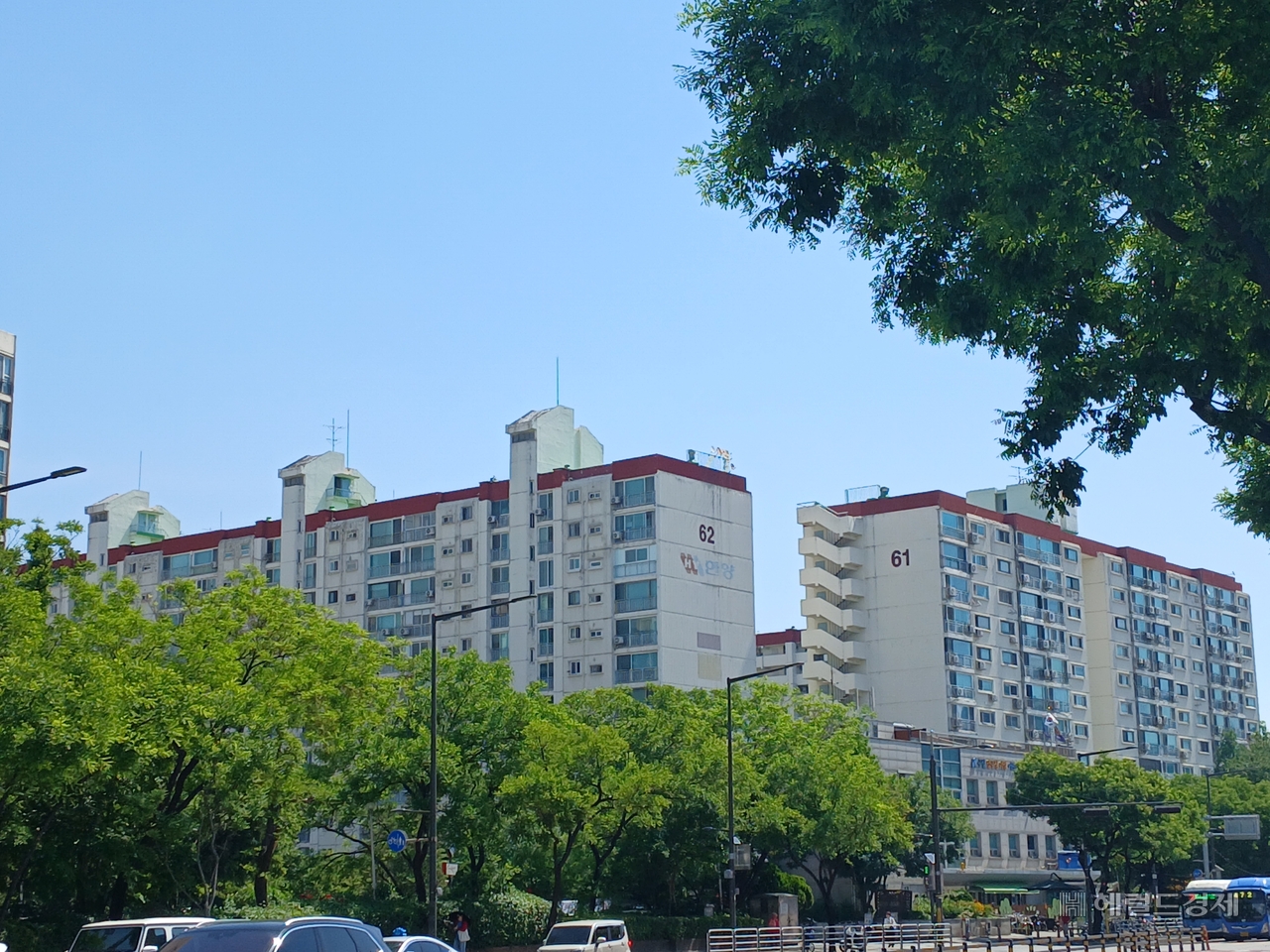
Taxpayers in Seoul's so-called "Gangnam 3 districts" — Gangnam-gu, Seocho-gu and Songpa-gu — shouldered nearly one-third of the nation's comprehensive real estate tax on housing last year. Rising prices for high-end homes and a concentration of wealth in the Gangnam area pushed the districts' share above 30% for the first time in five years.
According to the National Tax Service's national tax statistics portal, the total comprehensive real estate tax assessed on housing nationwide last year came to 1.31 trillion won ($870 million). Of that, the Gangnam 3 districts paid 430 billion won, accounting for 32.9% of the national total.
The Gangnam 3 districts' share stood at 39.5% in 2020 before falling to 27.8% in 2021 and 25.6% in 2022. It has since risen for three consecutive years — to 27.6% in 2023, 29.2% in 2024 and 32.9% last year — the first time the share has returned to the 30% range since 2020.
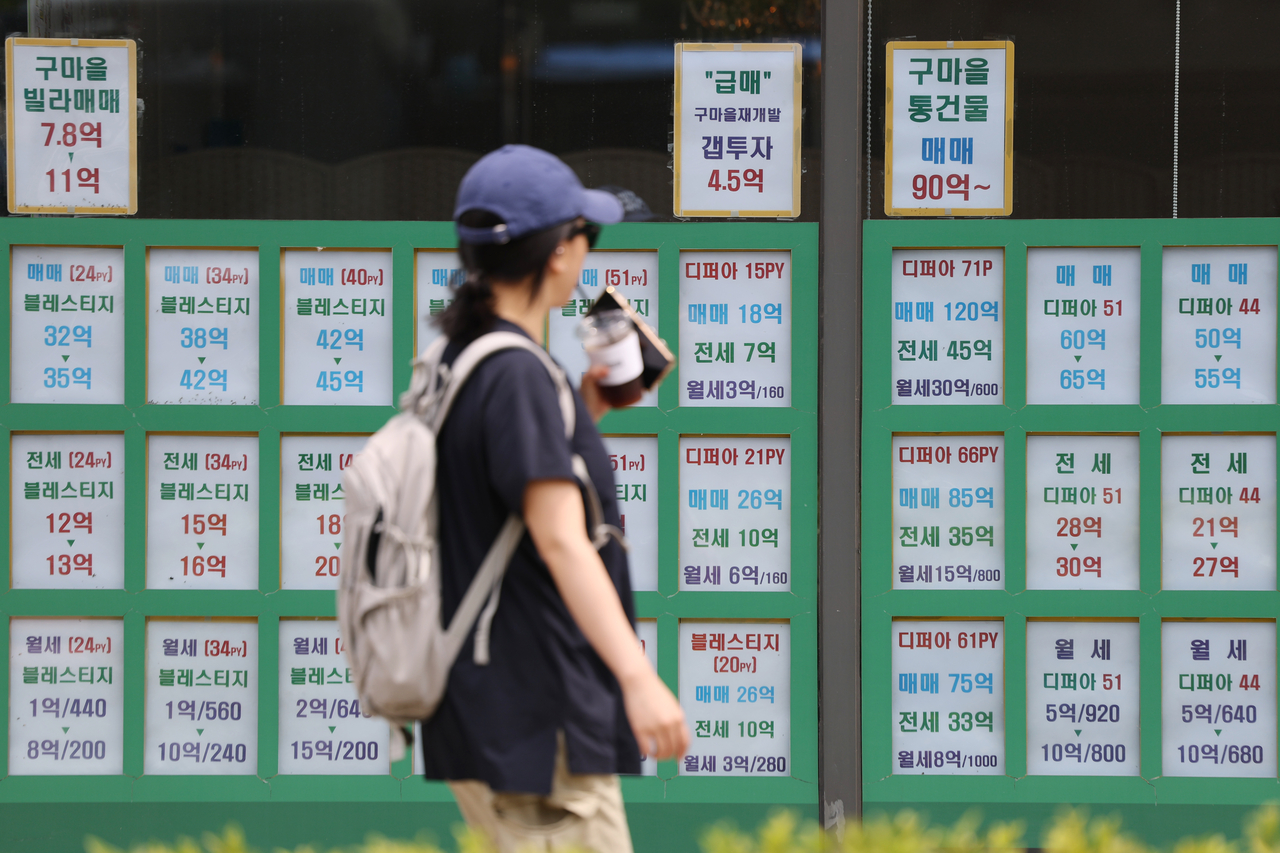
The Gangnam 3 districts' combined housing comprehensive real estate tax rose 35.2% last year, climbing from 318.1 billion won in 2024 to 430 billion won. That outpaced both the national increase of 20.4% and Seoul's overall gain of 30.1% over the same period.
Analysts attribute the trend to sustained price increases concentrated in high-end apartments, as well as the tax being assessed based on the taxpayer's registered address — meaning the growing share of wealthy residents living in Gangnam has amplified the area's tax burden.
Among Seoul's autonomous districts, Gangnam-gu paid the most in housing comprehensive real estate tax at 233.6 billion won, followed by Seocho-gu and Songpa-gu.
North of the Han River, Seongdong-gu posted the sharpest growth. Its housing comprehensive real estate tax reached 26.4 billion won last year, up 40.9% from the previous year, allowing it to overtake Yeongdeungpo-gu (24.4 billion won) and rank sixth among Seoul's districts. Gangdong-gu also saw a sharp jump, with its tax bill surging 126.3% year on year to 16.8 billion won — the highest growth rate among all Seoul districts.
By contrast, Gangseo-gu and Jung-gu were the only Seoul districts where the comprehensive real estate tax fell from the previous year.
Nationally, the largest comprehensive real estate tax burdens by city, county and district fell on Gangnam-gu, Seocho-gu, Yongsan-gu and Songpa-gu, followed by Seongnam in Gyeonggi Province (42 billion won), Yongin (39.1 billion won), Seoul's Jung-gu, Seongdong-gu and Yeongdeungpo-gu, and Cheongju in North Chungcheong Province (24.3 billion won).
As the government moves to overhaul property holding taxes, any tightening of levies on ultra-luxury homes could further concentrate the comprehensive real estate tax burden on Gangnam and surrounding areas. The government plans to hold a public forum to gather opinions on the direction of reform before finalizing a tax revision package. Officials are also reviewing measures that would maintain the principle of taxing primary residences while increasing the burden on a subset of the most expensive properties.
fact0514@heraldcorp.com





