
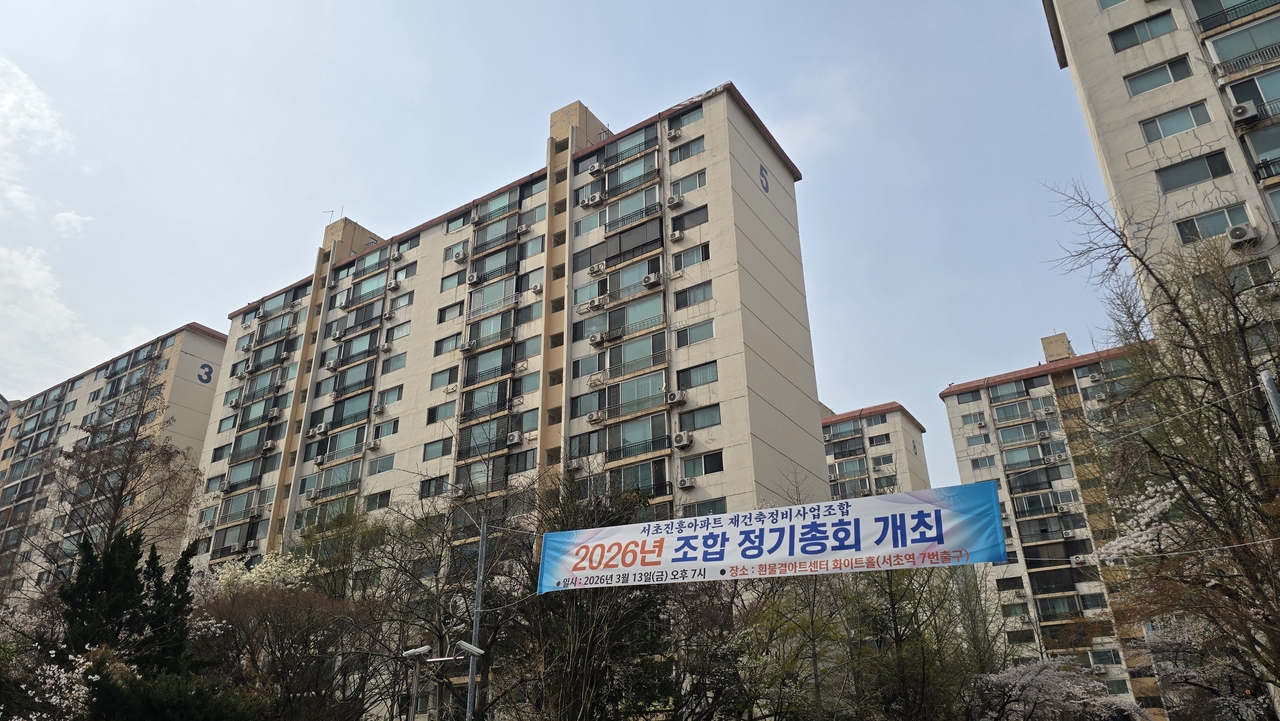
The government is reviewing a plan to restructure the long-term special deduction on capital gains tax — commonly known as the "jangteuk" deduction — to prioritize homeowners who actually live in their properties, as part of broader efforts to stabilize the real estate market. The leading approach would reduce or eliminate the tax benefit tied to non-resident ownership while expanding the deduction for years of actual residence.
According to related ministries Sunday, the Ministry of Economy and Finance is considering including a reform of the long-term special deduction in its tax revision package, set to be announced later this month. The deduction currently allows single-household homeowners to offset a portion of their capital gains based on how long they have held or lived in a property.
Under the current system, owners receive a 4 percent deduction per year for the holding period — up to 40 percent — and another 4 percent per year for the residency period, also up to 40 percent, for a combined maximum of 80 percent. Owners who have held a property for a long time without ever living in it can therefore still claim up to a 40 percent tax break.

The government has concluded that the non-resident holding deduction runs counter to the policy's original intent of protecting genuine end-users. President Lee Jae Myung made his position clear in April, writing on social media that "cutting taxes simply because someone held onto a house they never lived in is abnormal," and that "it is right to reduce deductions for non-resident holding periods and increase them for residency periods."
The government is weighing options that would reduce or eliminate the holding-period component of the deduction while expanding the residency component. Ratios under discussion include a 0-to-80 split — nothing for holding and 80 percent for residency — or a 20-to-60 arrangement. If the holding deduction is scrapped entirely, officials are also discussing renaming the scheme to something along the lines of a "long-term residency income deduction."
The overhaul is likely to proceed in tandem with a separate reform of the comprehensive real estate tax, which also targets tax benefits on high-value properties. Because the two taxes use different bases — the comprehensive real estate tax relies on assessed values while the capital gains tax is based on actual profit — the thresholds defining high-value properties may differ between the two regimes.
To cushion the market impact, the government is also considering a phased rollout with a grace period before the new rules take effect. Separate support measures or selling incentives for retirees who meet certain criteria are also expected to be discussed, given concerns about the burden the changes could place on elderly homeowners looking to sell.
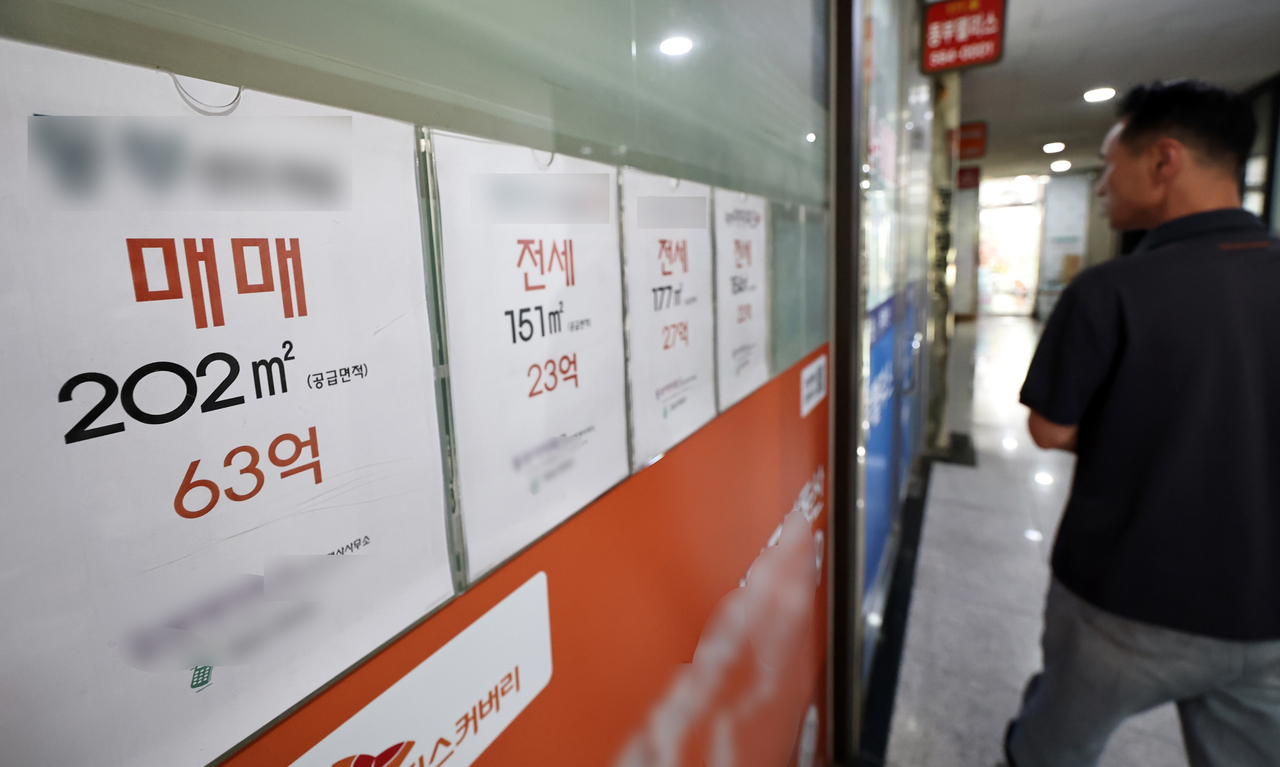
Market reaction to the proposed overhaul has been mixed.
Supporters argue the reform would improve tax fairness by trimming excessive breaks on capital gains accumulated through years of rising home prices. They also say it could help curb the trend of multi-property owners selling homes in regional areas and reinvesting in a single premium property in the Greater Seoul area.
Critics, however, warn of a potential market freeze. If the long-term deduction is cut at the same time as the comprehensive real estate tax is tightened, sellers may have less incentive to list their homes, reducing supply and dampening transaction volumes. Some analysts also note that the effect on home price stability could be limited, particularly if the supply of rental housing shrinks as a result.
The government plans to hold real estate policy forums and other consultations this month before finalizing the reform package. Specific deduction ratios and eligibility criteria have yet to be decided, and the details are expected to be disclosed when the full tax revision plan is released later this month.
fact0514@heraldcorp.com





