Interview with Santosh Viswanathan, Intel APJ vice president
'In the agentic AI era, CPUs and NPUs will play a bigger role'
'Frugal AI through heterogeneous computing can broaden AI access'
Intel eyes deeper Korea ties spanning edge AI and robotics
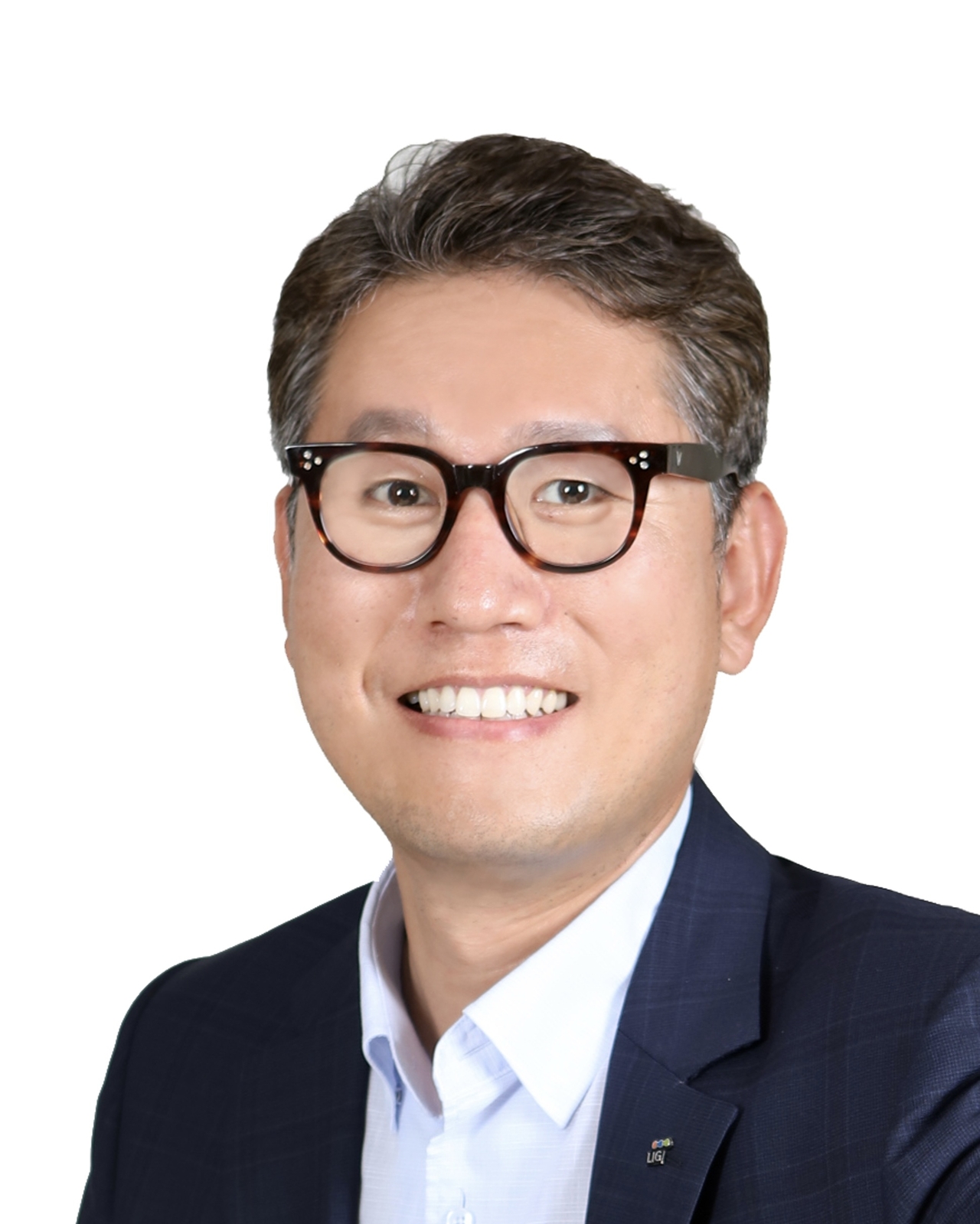
![Santosh Viswanathan, Intel's vice president for Asia-Pacific and Japan [Intel]](https://wimg.heraldcorp.com/news/cms/2026/07/14/news-p.v1.20260714.22c32645429947a59706a4955fc81020_P1.jpg)
"It won't be just GPUs. Heterogeneous computing — where GPUs, CPUs and NPUs work together — will lead the next-generation AI market."
Intel has laid out an infrastructure vision aimed squarely at the emerging era of agentic AI. Rather than competing on Nvidia's GPU-centric terms, the company says it will support the spread of AI in Korea by building environments that draw on GPUs, CPUs, NPUs and edge computing together.
Santosh Viswanathan, Intel's vice president for Asia-Pacific and Japan (APJ), made the remarks in an interview Monday. "In the earlier AI era, when training was central, GPUs played the key role," he said. "But as we move into the agentic AI era — where inference matters more — the infrastructure picture has changed."
He added that Intel intends to deepen cooperation with Korea across all of its business lines to drive AI innovation. "The weight of diverse businesses — CPUs, NPUs and edge computing — is growing, and we will strengthen collaboration with Korea across Intel's full portfolio," he said.
Viswanathan, originally from India, was appointed APJ vice president in April after 23 years at Intel, most recently as head of Intel's India operations. He currently oversees Intel's APJ business excluding China. This visit to Korea — his first official trip since taking the role — is expected to last about a week, during which he plans to meet with major Korean customers, government officials and other stakeholders to discuss AI cooperation.
Viswanathan pointed to heterogeneous computing as Intel's key differentiator from Nvidia's infrastructure strategy. "What determines the future of AI is not any single architecture but an ecosystem where diverse computing resources work in harmony," he said. "Intel is an integrated device manufacturer that handles everything from chip design to manufacturing, and we will focus on delivering what customers need efficiently."
He said the heterogeneous computing strategy connects directly to the concept of "frugal AI" he championed during his time in India — building AI markets in the most cost-efficient way suited to each country's conditions.
"Every country and market faces infrastructure constraints, so relying solely on GPUs has its limits," Viswanathan said. "Ultimately, spreading AI means lowering the cost per token so that anyone can use it." He added that AI must become a technology accessible to more companies and industries, not just a handful of large data centers.
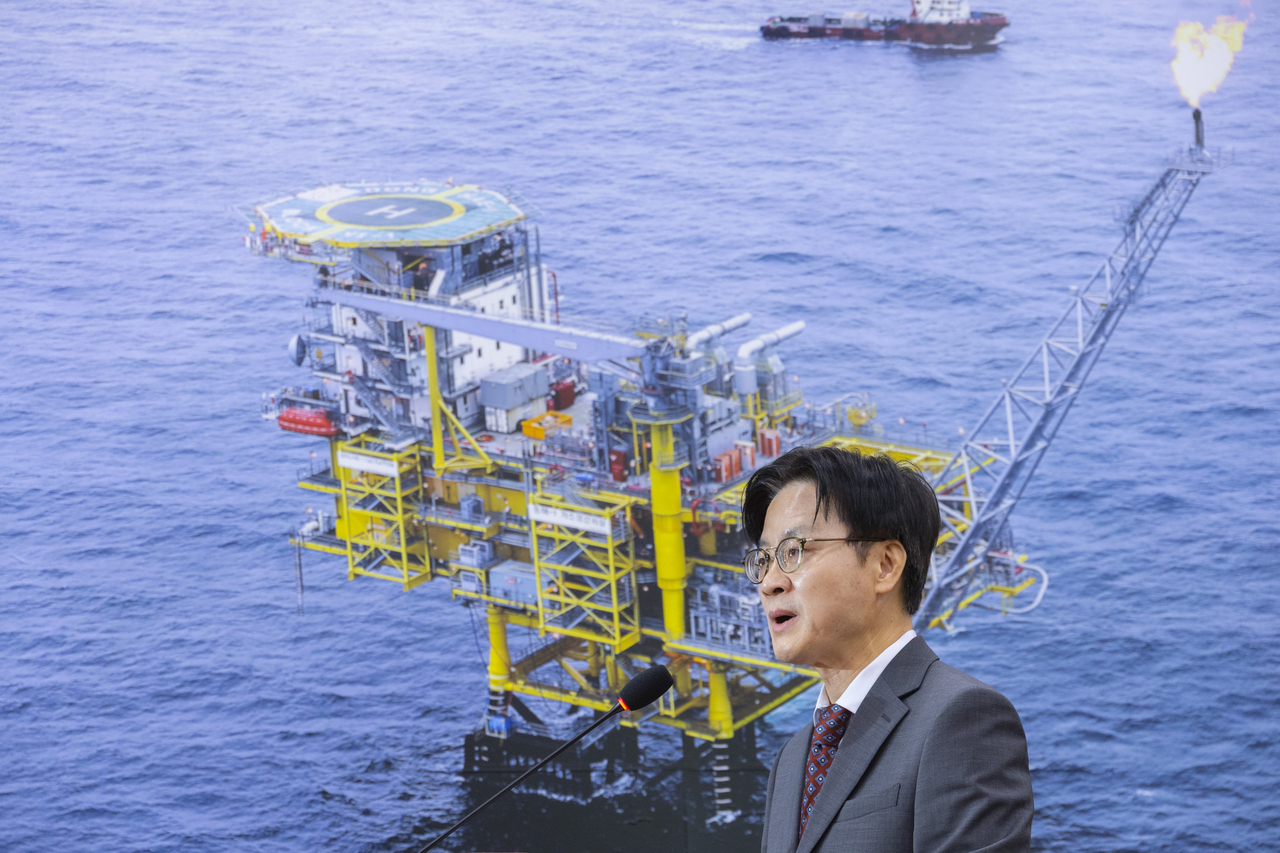
![Santosh Viswanathan, Intel's vice president for Asia-Pacific and Japan [Intel]](https://wimg.heraldcorp.com/news/cms/2026/07/14/news-p.v1.20260714.e0db0490c307460eabe9612601c61330_P1.jpg)
Viswanathan said these shifts will accelerate the arrival of edge AI — bringing AI capabilities out of the data center. "The edge AI revolution is just getting started," he said. "Local AI models will run directly on PCs and laptops, and once that potential opens up, AI will expand well beyond large-scale data centers."
He cited Intel's AI PC business as the starting point for edge AI. "Until now, PCs have been devices for storing and retrieving information, but going forward they will evolve into platforms that deliver intelligence," he said. Intel plans to unveil the Intel Core Series 3 lineup — codenamed "Wildcat Lake" — along with a range of AI PCs at various price points in the second half of this year.
Viswanathan said he intends to use his Korea visit to advance cooperation based on that vision, including reaching out to physical AI and robotics companies, which he sees as the next frontier for edge AI.
"In the agentic AI era, new edge device and robotics markets will grow rapidly," he said. "Korea looks set to play an important role not only in telecommunications, data centers and PCs, but also in edge and physical AI." Intel will expand partnerships with Samsung Electronics, SK Hynix, KT Corp, SK Telecom, AI startups, robotics companies and the government, he said.
Viswanathan also explained that Intel's recent recruitment of Lee Seok-hee, former SK Hynix president, as a senior vice president in its foundry division reflects plans for deeper supply chain cooperation with Korea. "In the AI era, advanced packaging is a core element of semiconductor competitiveness, and Lee has relevant experience both inside and outside Intel," he said. "As processes become more advanced, supply chain collaboration will only grow more important, and we will expand cooperation with global supply chains, including Korea's."
chami@heraldcorp.com