![Samsung Fire's headquarters in Seocho-gu, Seoul. [Samsung Fire]](https://wimg.heraldcorp.com/news/cms/2026/07/14/news-p.v1.20260713.4b2e186b9eba43478e46dd352e6a2031_P1.jpg)
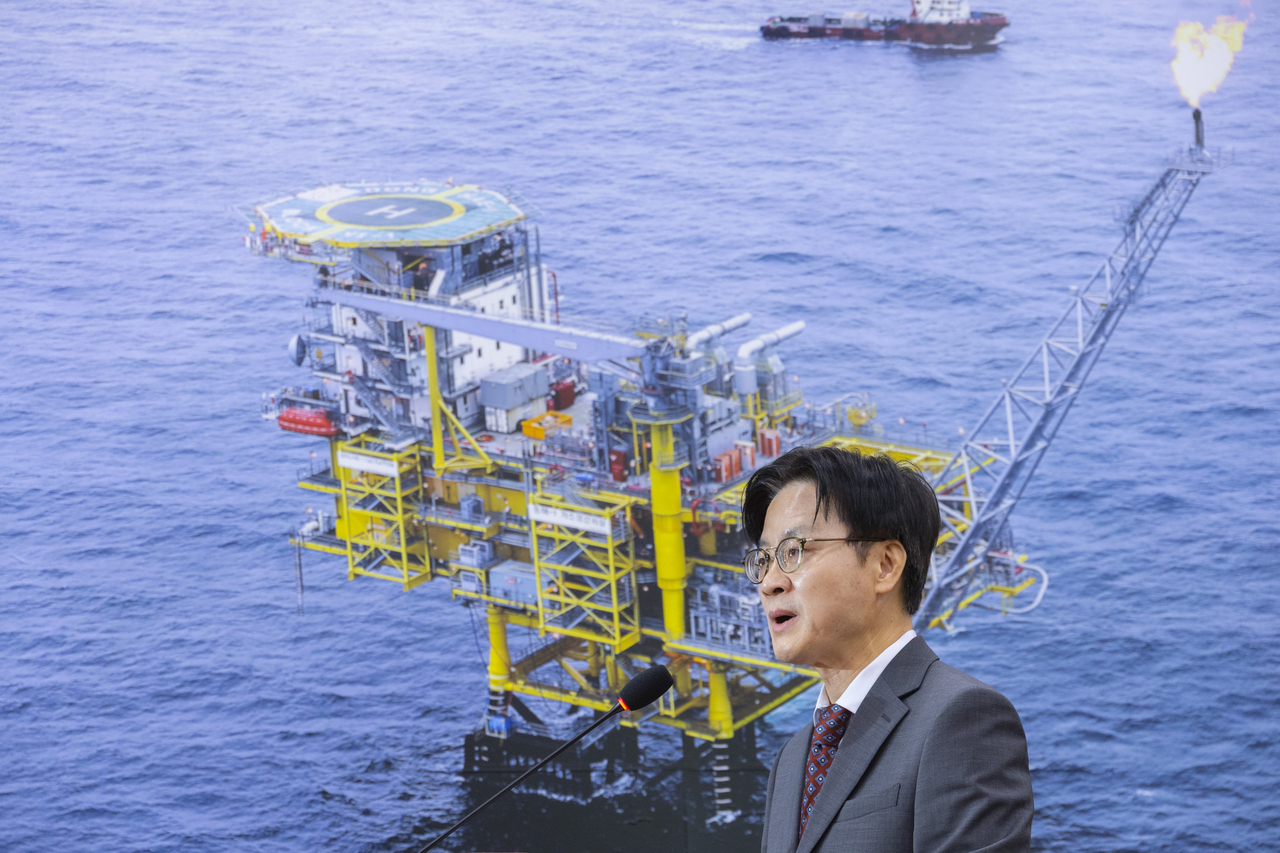
As the AI boom drives rapid expansion in data center supply, insurance against risks such as fire is emerging as a new growth area for the industry. Samsung Fire, which leads the pack, plans to release new risk-assessment guidelines for AI data centers in the second half of this year.
According to the Fire Insurance Association of Korea and the Korea Data Center Council, South Korea's private data center market is projected to grow nearly fourfold over a decade — from 2.42 trillion won ($1.61 billion) in 2018 to 10.19 trillion won by 2028.
Against that backdrop, a battery fire at the National Information Resources Service's Daejeon headquarters last September knocked out 709 government computer systems, and a 2022 fire at a data center in Pangyo disrupted services for tenant companies for more than five days. Property insurer FM Global found that fires accounted for just 10.9 percent of data center incidents by number over the past 15 years, yet represented 42.3 percent of total losses — rare, but devastating when they occur.
AI data centers pose a fundamentally different risk profile from conventional ones. Traditional centers rely on CPUs and tend to be smaller in scale, while AI data centers are built around GPUs, making them larger and far more data-dense — and pushing insured values significantly higher. "When an accident happens, the damage from service disruptions to businesses connected to the data center far outweighs the physical loss to the facility itself," said an insurance industry official with deep expertise in data centers. "The resulting losses can be more than 10 times what we saw in the past."
Samsung Fire is moving fastest. The company has identified a "high-tech" segment covering semiconductors and AI data centers as a core growth pillar for its general insurance business. It is the only domestic insurer to have conducted on-site risk analysis inside Samsung Electronics' semiconductor fabrication lines (fabs). The company is currently developing new risk-assessment criteria for AI data centers in collaboration with an external expert network, and Samsung Fire expects to release the guidelines in the second half of this year.
Other non-life insurers are also watching the market closely. Hyundai Marine & Fire Insurance and Hanwha General Insurance are internally reviewing their response strategies as inquiries about AI data center-related insurance increase.
The road to a fully open market still has clear hurdles, however. The biggest challenge is pricing rates, which require an accumulation of accident statistics to calculate — and domestic cases involving AI data centers are almost nonexistent. As a result, the industry is discussing a model in which insurers initially adopt rates from global insurers and develop their own once sufficient data has been gathered.
There is also no clear standard yet for how far coverage should extend to secondary losses suffered by businesses using a data center when an incident occurs, or how to set those limits.
"There is clearly growing interest among insurers, but the market is still in its early stages," an industry official said. "Building up statistics to establish pricing rates must come first, and whoever secures the data first will likely determine who leads the market."
psj@heraldcorp.com