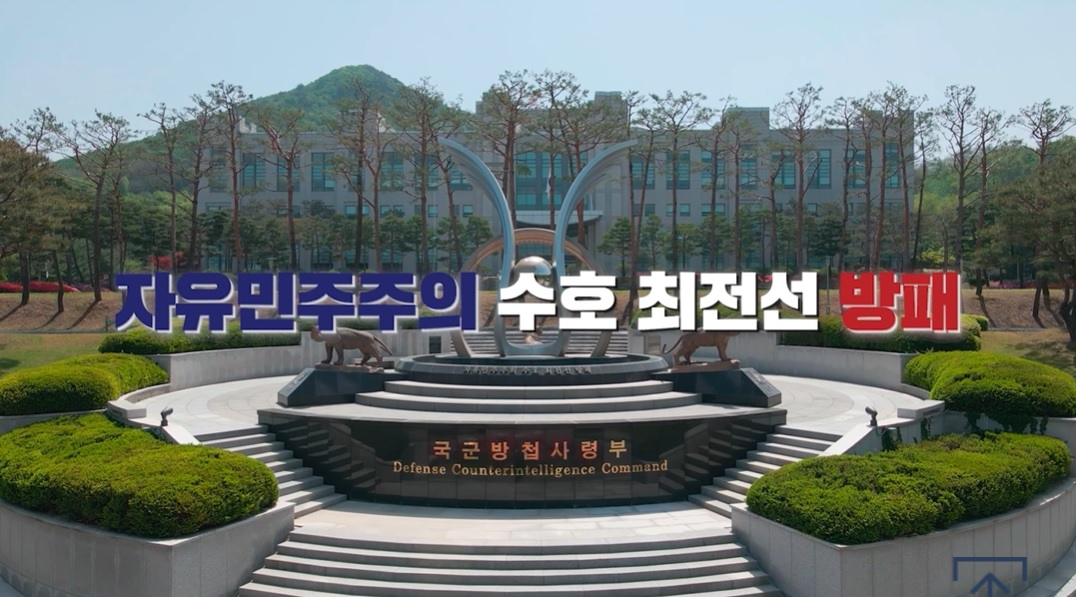
South Korea's Ministry of National Defense is moving to dissolve the Defense Counterintelligence Command and separate its counterintelligence, security and investigation functions into distinct agencies. The restructuring, aimed at bringing military intelligence under democratic oversight and dispersing concentrated authority, gained its legal footing after related presidential decrees were approved at a Cabinet meeting Tuesday.
The move follows a plan the ministry announced in June to dissolve the command and reorganize its functions, and is part of a broader government initiative to reform military intelligence agencies into structures the public can trust.
At the heart of the reorganization is the dissolution of the existing command and its replacement with specialized agencies divided by function. A newly established Defense Counterintelligence Headquarters will handle counterintelligence operations and defense industry-related intelligence activities, as well as defense industry and cybersecurity work. Internal security audits and investigations into security incidents will be transferred to a Defense Security Support Unit, while the Defense Ministry Investigation Headquarters will take over security investigations — including cases involving insurrection, foreign threats, military rebellion and treason — along with joint investigative authority during periods of martial law.
Functions that critics have characterized as tools of political power — including surveillance of personnel trends, collection of personnel intelligence, and gathering of information on illegal conduct and misconduct — will be formally abolished. The ministry said the changes are designed to distribute authority that had been concentrated in a single agency, establish mutual checks and balances, and strengthen the accountability and expertise of each new body.
Democratic oversight mechanisms are also being reinforced. Senior external audit civil servants will be appointed as heads of the inspectorate offices within both the counterintelligence headquarters and the investigation headquarters to improve transparency in intelligence and investigative activities. A compliance oversight committee composed of civilian experts will be established directly under the minister to strengthen external monitoring. The ministry will also be required to report to relevant National Assembly standing committees upon request on major matters, including the enactment or revision of basic guidelines governing counterintelligence activities.
The presidential decrees approved Tuesday are set to be promulgated July 28, with the Defense Counterintelligence Headquarters and the Defense Security Support Unit officially launched July 31. The ministry also plans to pursue legislation this year to enact a law governing the duties of military counterintelligence unit personnel, which would define the scope of counterintelligence activities and set standards for punishing unlawful conduct.
"We will continue to push for personnel renewal and organizational culture reform within the command to firmly establish political neutrality and professionalism," a ministry official said. "By making counterintelligence stronger and democratic control more certain, we will build armed forces that the people can trust."
rimsclub@heraldcorp.com