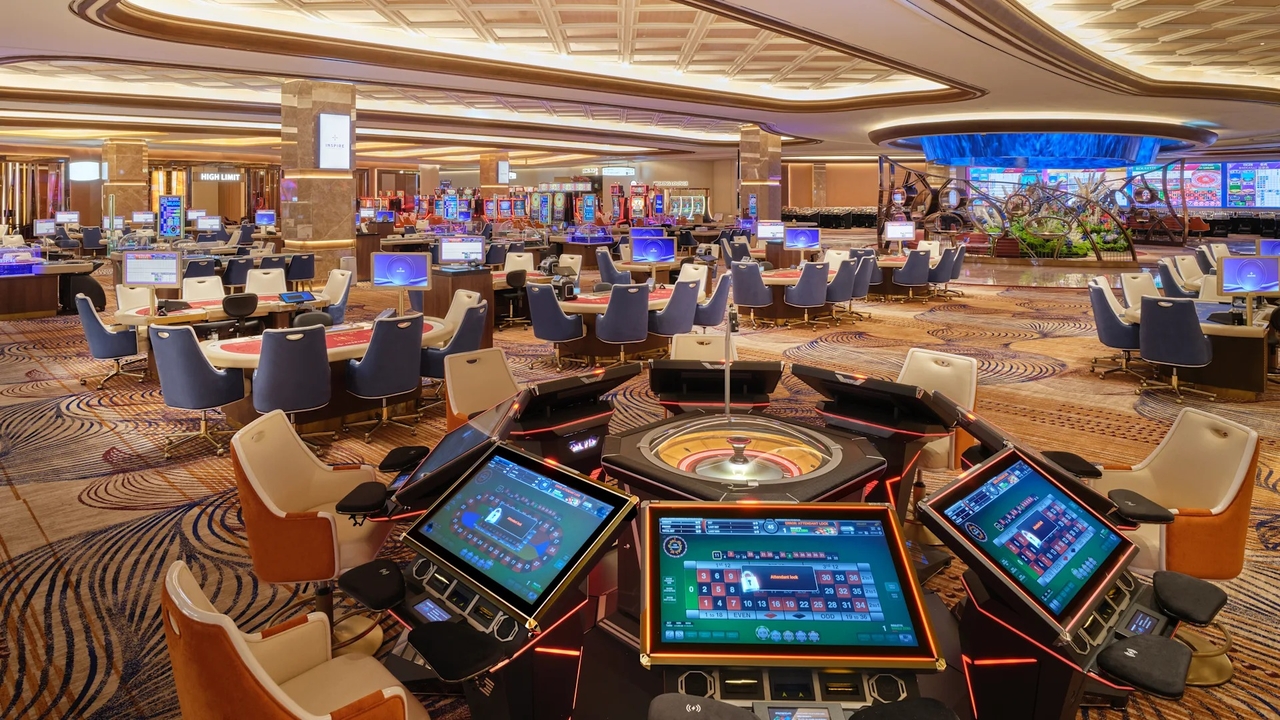
The government and the casino industry are on a collision course after authorities moved to raise the ceiling on tourism promotion fund contributions levied on foreigner-only casino operators for the first time in 30 years. Operators are warning the changes threaten their survival and calling for a full review, but the Ministry of Culture, Sports and Tourism is holding firm, calling the overhaul a normalization of the regulatory regime in line with the industry's growth.
Fund ceiling raised to 15%; 5-year renewal system planned
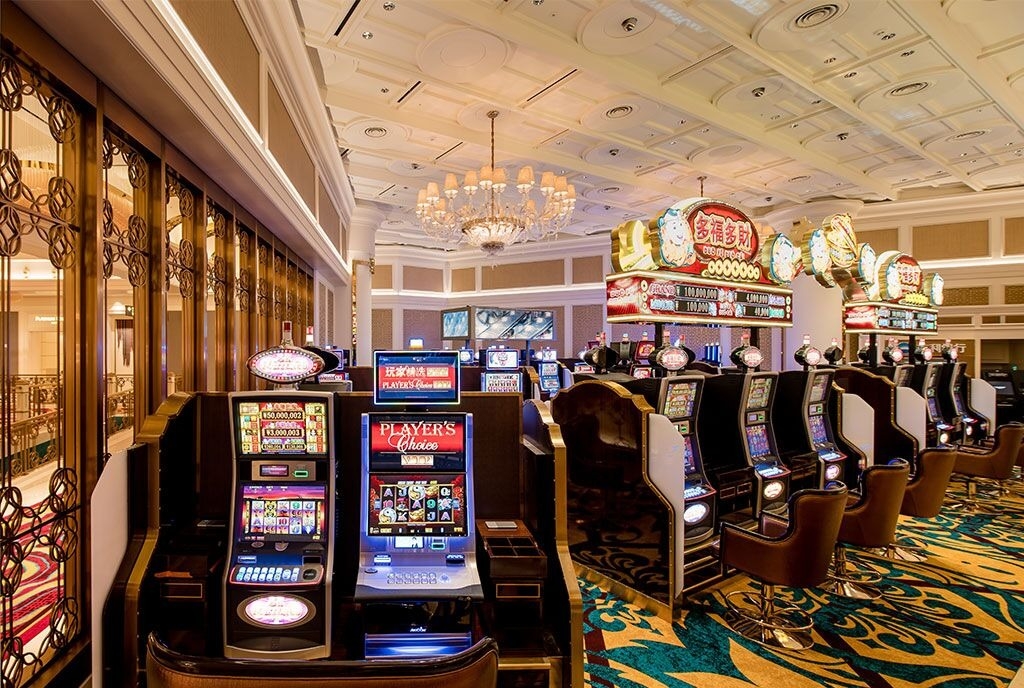
According to the Ministry of Culture, Sports and Tourism, the government and the ruling party are pursuing an amendment to the Tourism Promotion Act that would raise the ceiling on casino operators' Tourism Promotion and Development Fund contributions from 10 percent of gross revenue to 15 percent. Under the current enforcement decree, a progressive rate applies per venue: 1 percent on annual sales of up to 1 billion won ($678,000), 5 percent on sales between 1 billion and 10 billion won, and 10 percent on sales above 10 billion won. The government is considering adding a new top bracket above the existing 10 percent tier once the statutory ceiling is raised, with the specific revenue threshold to be set after consulting industry stakeholders and experts.
On top of that, the government is pursuing a five-year casino license renewal system and a prior-approval requirement for the transfer of operating rights. Operators currently hold permanent licenses with no renewal requirement; under the proposed changes, they would face periodic reviews. The ministry said the renewal system is not designed to impose new conditions on operators but rather to periodically verify that the requirements of the original license continue to be met. It described the prior-approval regime as an internationally standard oversight mechanism to block illicit funds from entering business transfer transactions.
News of the proposed overhaul drew a sharp response from the industry. The Korea Casino Tourism Association issued a statement Wednesday calling for a full review. "Domestic foreigner-only casinos face a structural constraint that casinos in other advanced countries — which allow local patrons — do not: they have no domestic customer base," the association said. "Global regulations cannot simply be applied across the board."
The industry's sharpest objection is to the fund structure itself, which is calculated on gross revenue regardless of whether an operator is profitable. Unlike most levies, which presuppose a profit, casino operators must pay into the fund based on sales even when running at a loss. According to the association, roughly half of the 17 to 18 domestic casino operators have posted operating losses every year over the past decade, and the industry still paid 29 billion won in fund contributions during the COVID-19 years of 2020 to 2023.
"With individual consumption taxes of 2 to 4 percent of sales, corporate taxes and local taxes already weighing on operators, pushing the fund rate to 15 percent would hasten the bankruptcy of companies that have barely begun to recover from the pandemic," the association said.
Industry calls 5-year renewal system excessive regulation
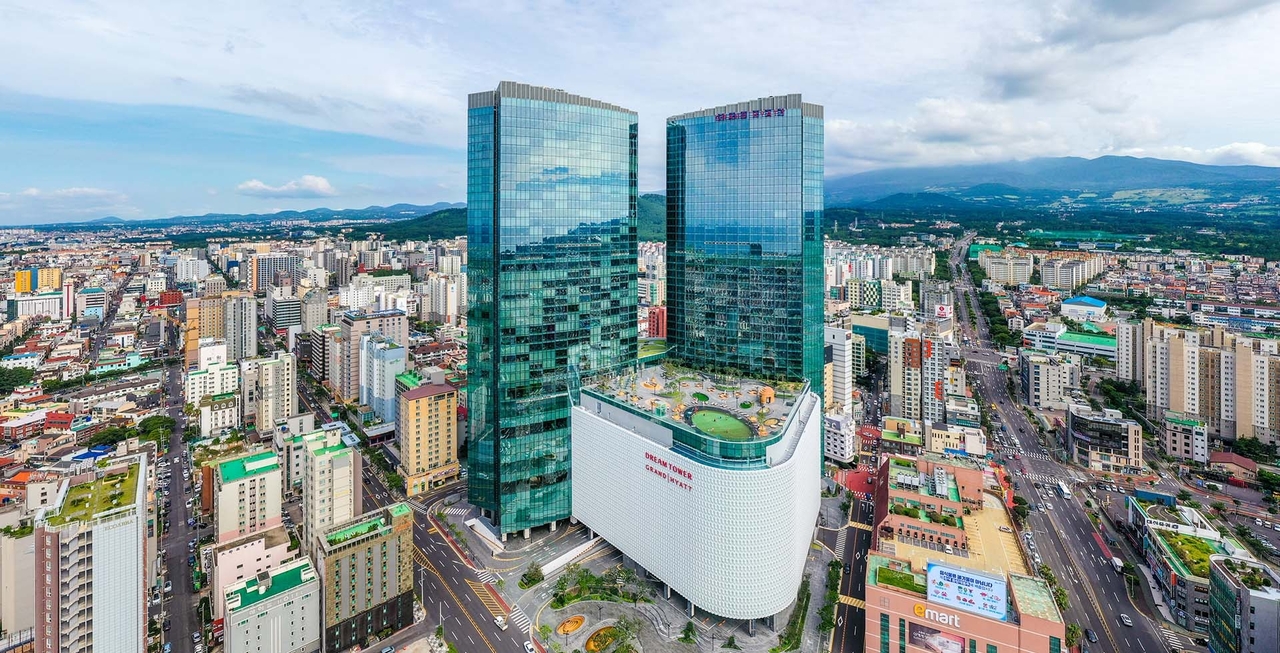
Opposition to the proposed license renewal system is equally fierce. The domestic casino industry operated under a three-year renewal system before 1994, when an amendment to the Tourism Promotion Act shifted qualifying operators to an open-ended license with no expiration date.
"The abrupt introduction of a renewal system would seriously undermine the legitimate expectations of existing operators and infringe on their property rights, likely running afoul of the principle of proportionality," an association official said. "Facing the risk of license cancellation every five years would make employment instability a permanent condition and deter large-scale, long-term investment, weakening the industry's competitiveness."
The association said the proposal fails to account for the unique position of foreigner-only casinos — the only such venues in the OECD that bar domestic patrons — and amounts to excessive discriminatory regulation even by comparison with Kangwon Land or overseas precedents. It also argued that a 2015 amendment to the Tourism Promotion Act enforcement decree already allows for a three-month suspension or license cancellation after just one or two violations of major regulations, making a renewal system redundant. Inspire and Lotte Tour Development, both of which have recently made large-scale investments, said they are also worried about disruptions to refinancing.
With Japan's Osaka integrated resort set to open in 2030, the industry warned that tightening domestic regulations alone would erode South Korea's competitiveness. "While major competing countries are opening their markets to local patrons or nurturing the industry by respecting its autonomy, South Korea is doubling down on tighter regulation," the association said, urging the immediate withdrawal of both the renewal system and the fund rate increase and a shift toward industry-supportive policy.
Securities analysts were equally downbeat. If the 15 percent ceiling were applied across the board, the three major casino operators — Paradise, Lotte Tour Development and GKL — would face additional contributions of between 90 billion and 100 billion won based on this year's sales, with annual operating profit estimated to fall by 20 to 30 percent.
Ministry: casino sales up tenfold in 30 years — normalization overdue
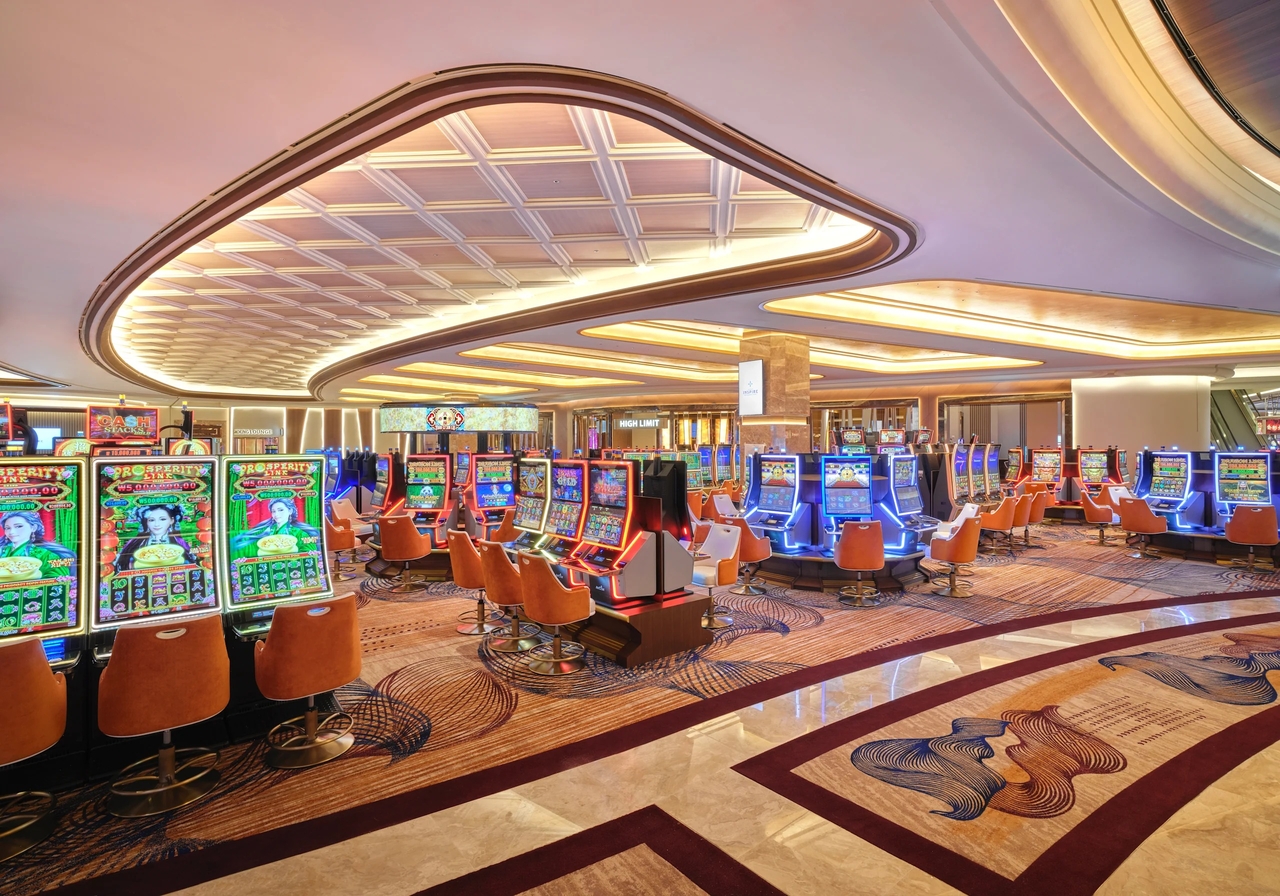
The Ministry of Culture, Sports and Tourism rebuffed those projections directly. Because the higher rate would apply only to a newly created top revenue bracket, the claim that operators would face more than 90 billion won in additional contributions is simply inaccurate, it said.
The ministry also pushed back against the assertion that operators would have to hand over most of their operating profit in fund contributions, noting that fund payments are deducted from revenue as an operating expense. It said levying the fund on gross sales — rather than profit — is a global standard that prevents operators from reducing their liability by adjusting reported earnings.
The ministry noted that casino operations are strictly prohibited activities that the government has exceptionally licensed to a limited number of private operators for public-interest policy purposes, including tourism promotion, and said the fund rate increase restores the original legislative intent of the system.
"When the system was introduced in 1995, only six of 13 venues had annual sales exceeding 10 billion won; now nearly all of them do," the ministry said. "Over the past 30-plus years, total sales across foreigner-only casinos have grown more than tenfold and average sales more than sevenfold, meaning the existing system no longer adequately reflects the progressive structure it was designed to embody."
"Casino operators' contributions are not general tax revenue — they flow into the Tourism Promotion and Development Fund alongside departure taxes and are reinvested across various tourism sectors," the ministry said. "This creates a virtuous cycle in which the fund contributes to the development of the tourism industry and the attraction of foreign visitors, which in turn drives further growth in the casino sector."
terry@heraldcorp.com