
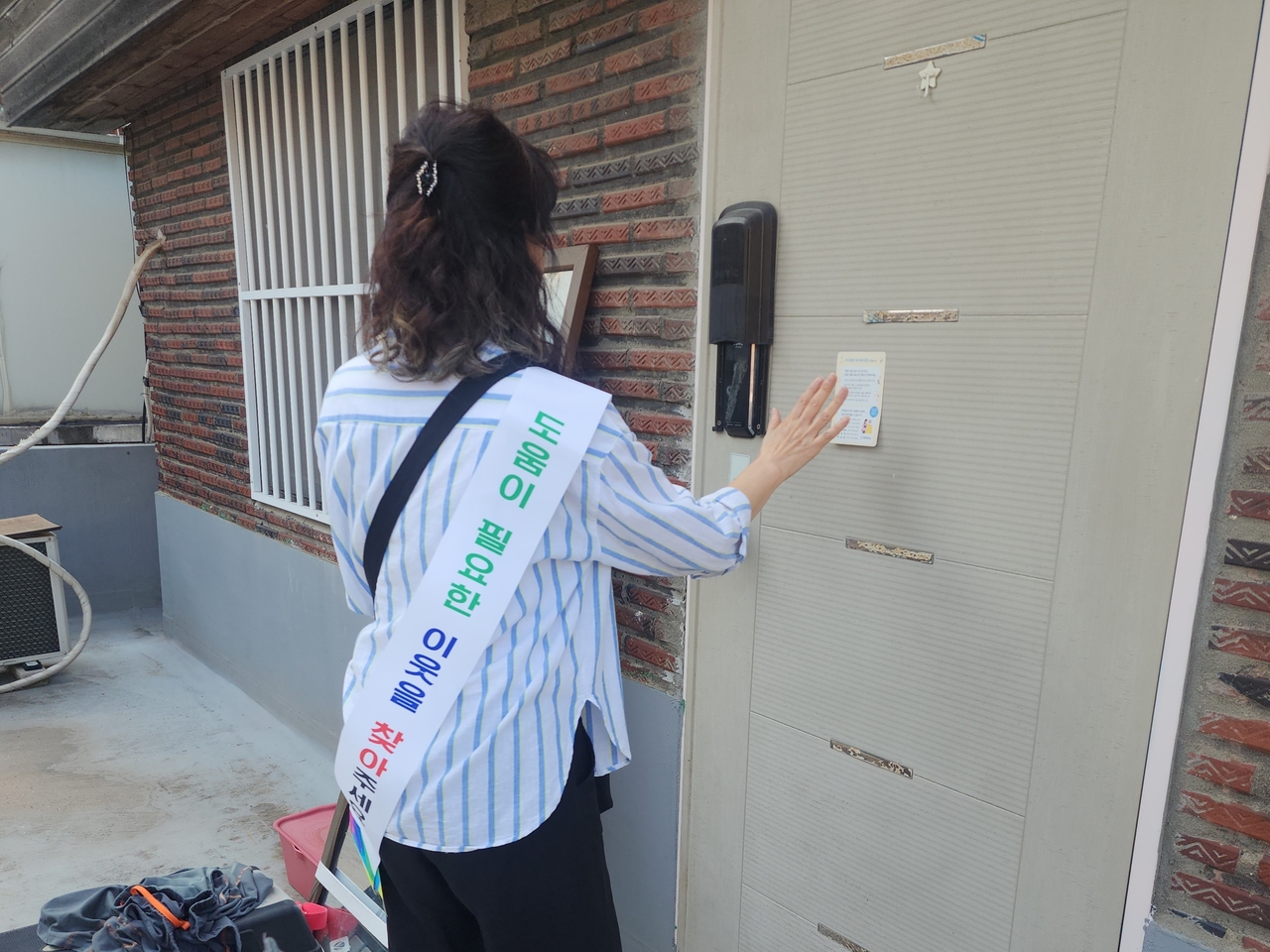
Seoul's Seongdong-gu has launched a drive to identify and support households at risk of isolation and falling through the welfare safety net, using big data analysis and public-private partnerships to prepare for summer heatwaves and heavy rainfall.
As climate change intensifies heatwaves and increases the frequency of torrential downpours, concerns are growing for residents living in homes with inadequate cooling or prone to flooding. In response, the district is conducting an intensive search for isolated households and welfare blind spots through July to minimize harm to residents most vulnerable to summer disasters.
The district is using public big data and welfare map analysis to proactively identify households showing signs of crisis. Working with the Ministry of Health and Welfare's third regular survey under its welfare blind-spot detection system, the district plans to assess the living conditions and welfare needs of about 1,484 households flagged for crisis indicators — including utility cutoffs, unpaid national health insurance premiums and public charges, financial delinquency, and employment instability — and connect them with tailored welfare services.
The district is also using welfare maps drawn from the Social Security Information System to identify 32 areas with high concentrations of single-person households and basic livelihood security recipients. It will conduct field surveys and awareness campaigns in those areas to find households in crisis, combining administrative data with on-the-ground outreach into a tightly woven detection network.
The intensive outreach effort involves the district office's Hope Welfare Division and 17 neighborhood community centers, alongside community welfare centers, local social security councils, honorary welfare civil servants, welfare block captains, neighborhood care teams, and crisis household detection units — forming a broad human safety net across the district.
Letter carriers from Gwangjin Post Office are also lending their support. As they deliver mail, they observe changes in residents' daily routines and living conditions and quickly refer any household that appears to need help to the nearest community center.
The district is sending registered letters containing welfare information to about 170 households suspected to be in crisis due to prolonged nonpayment of electricity, gas, and apartment maintenance fees. Letter carriers deliver the mail in person while checking on residents' living conditions and home environments. Particular attention is paid to homes where doors and windows have remained shut for extended periods during the heat, where mail has piled up, to elderly and disabled residents who have sharply reduced their outdoor activity, and to anyone showing signs of health problems or financial hardship. When warning signs are confirmed, community center staff visit the site together with welfare planners and visiting nurses to conduct a comprehensive check of the resident's health, living environment, and care needs.
Households identified through the outreach are first connected to public benefits including basic livelihood security, emergency welfare support, and Seoul-type emergency welfare assistance. Where needed, private resources such as cooling supplies, home environment improvements, and medical and care services are also provided. Households are then placed under integrated case management and regular monitoring based on the severity of their situation.
Residents who know of a neighbor in need due to financial hardship, health problems, or social isolation can seek help or report a household in crisis through their nearest community center or the Seongdong Comprehensive Welfare Counseling Center.
"The greatest force in finding isolated households early is neighbors looking out for one another," district mayor Yoo Bo-hwa said. "By combining proactive crisis detection through big data with the community's close-knit cooperation network, we will carefully look after residents who need help even amid heatwaves and heavy rain, and build a welfare safety net with no gaps — from identification and support through to follow-up care."
seouldream01@heraldcorp.com





