
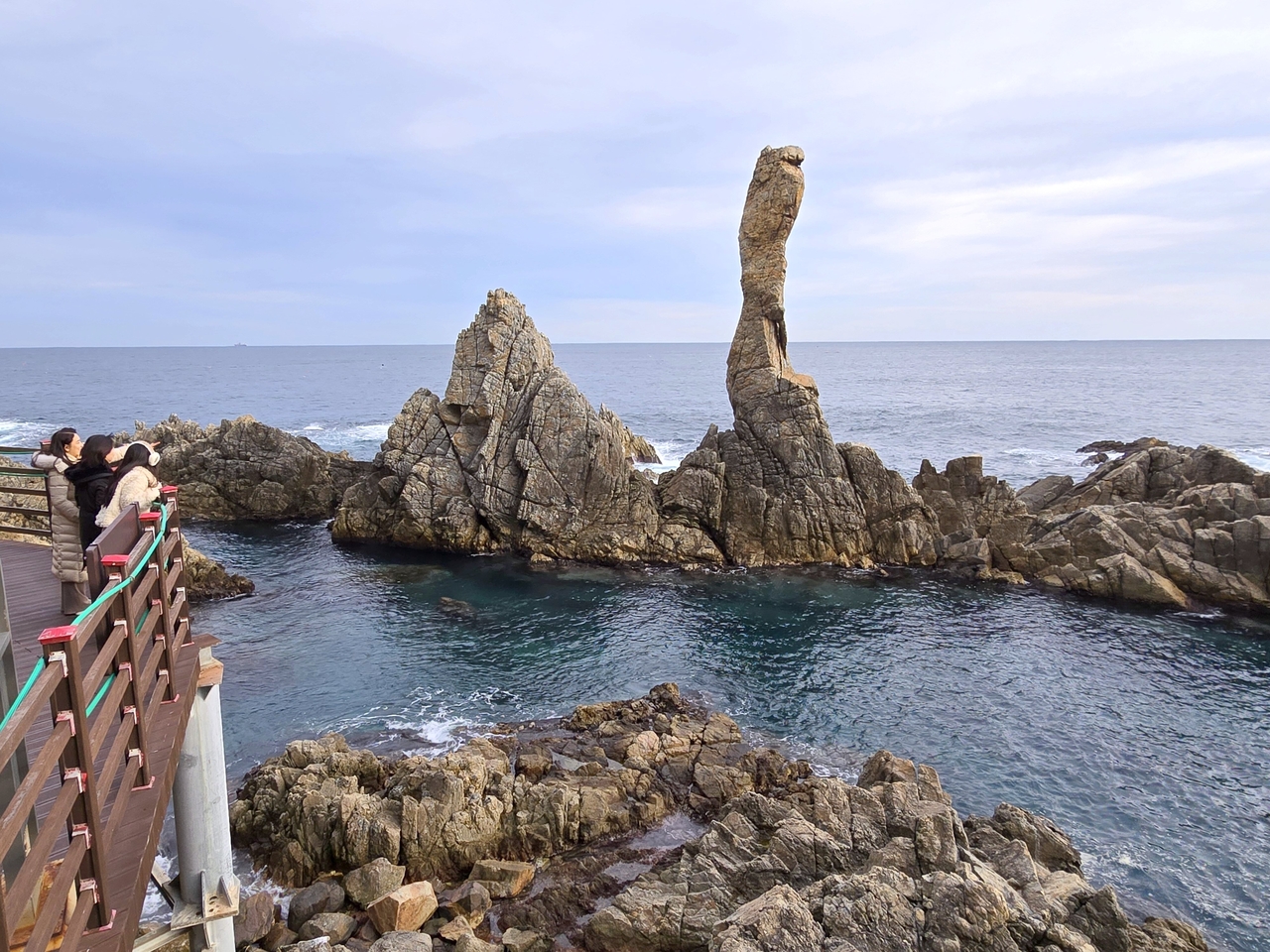

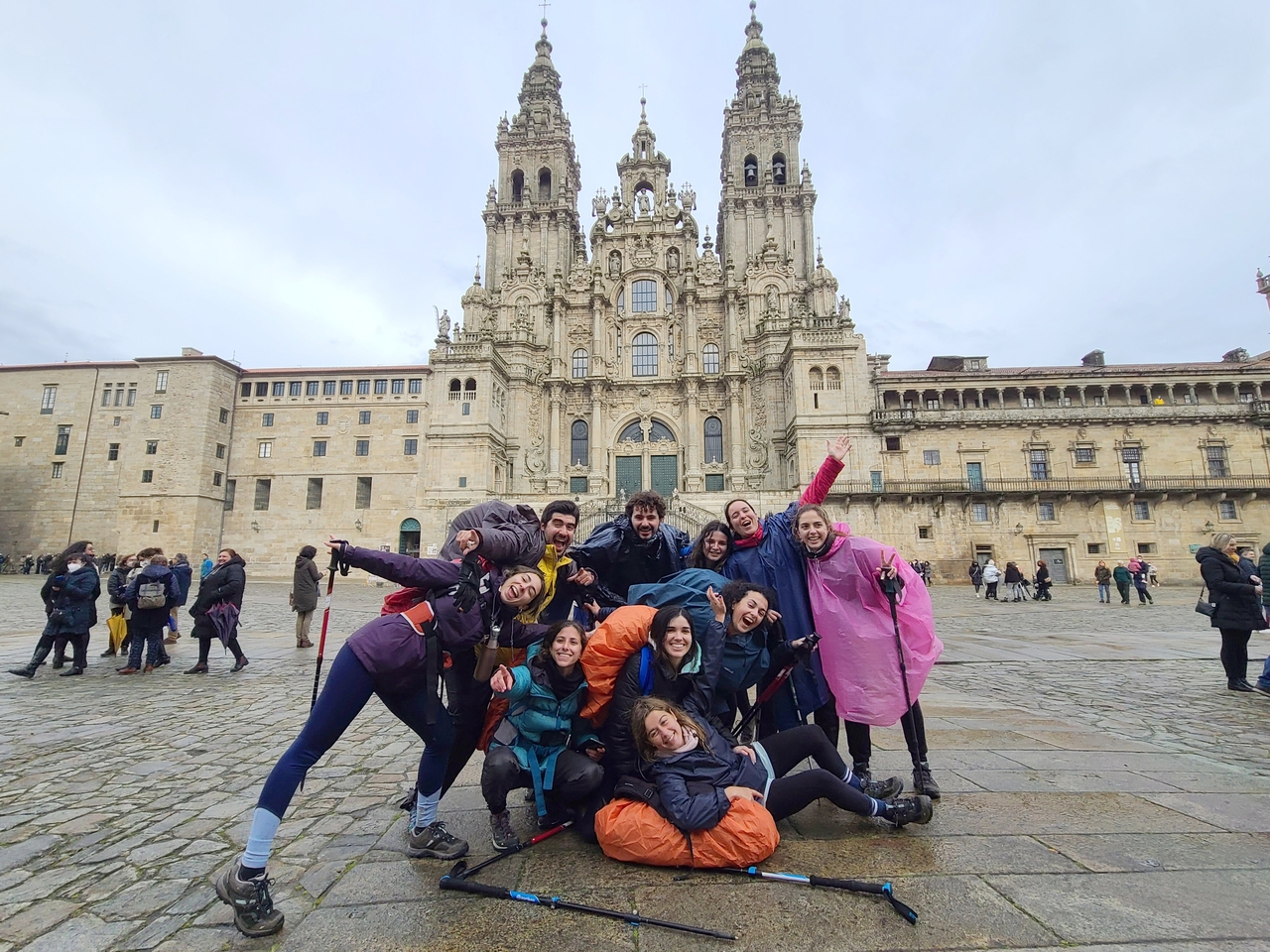
To build a sustainable tourism environment in former coal-industry towns — Taebaek, Samcheok, Yeongwol and Jeongseon — authorities plan to issue travelers who complete key routes a "passport," modeled on the credential given to pilgrims on Spain's Camino de Santiago, and to cultivate travel agencies that specialize in extended-stay tourism in the region.
The Cathedral and City Hall of Santiago de Compostela issue such credentials only to pilgrims who have walked at least 100 kilometers.
Gangwon Province and its provincial economic promotion agency announced they will formally launch a project to develop and operate tourism products in coal-industry transition areas, aiming to publicize the historical value of the coal industry and revitalize the local economy.
According to Gangwon Province's second administrative office on Tuesday, the initiative seeks to restore economic vitality to areas that were once at the heart of South Korea's economic development but have seen their populations shrink as the coal industry declined.
The province plans to focus on two fronts: resolving the longstanding difficulty individual tourism businesses have faced in promoting and commercializing their offerings despite holding strong content, and nurturing cultural content that captures the region's distinctive stories.
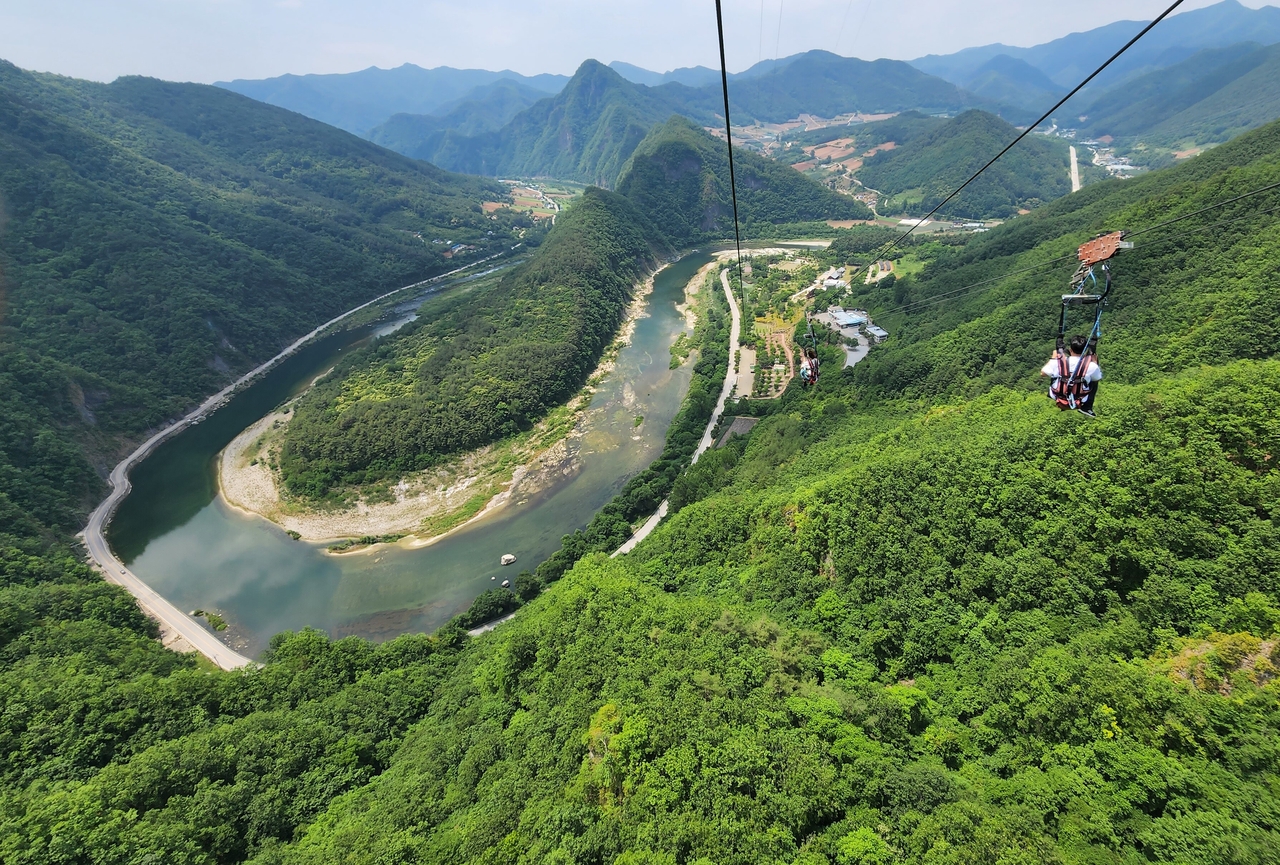
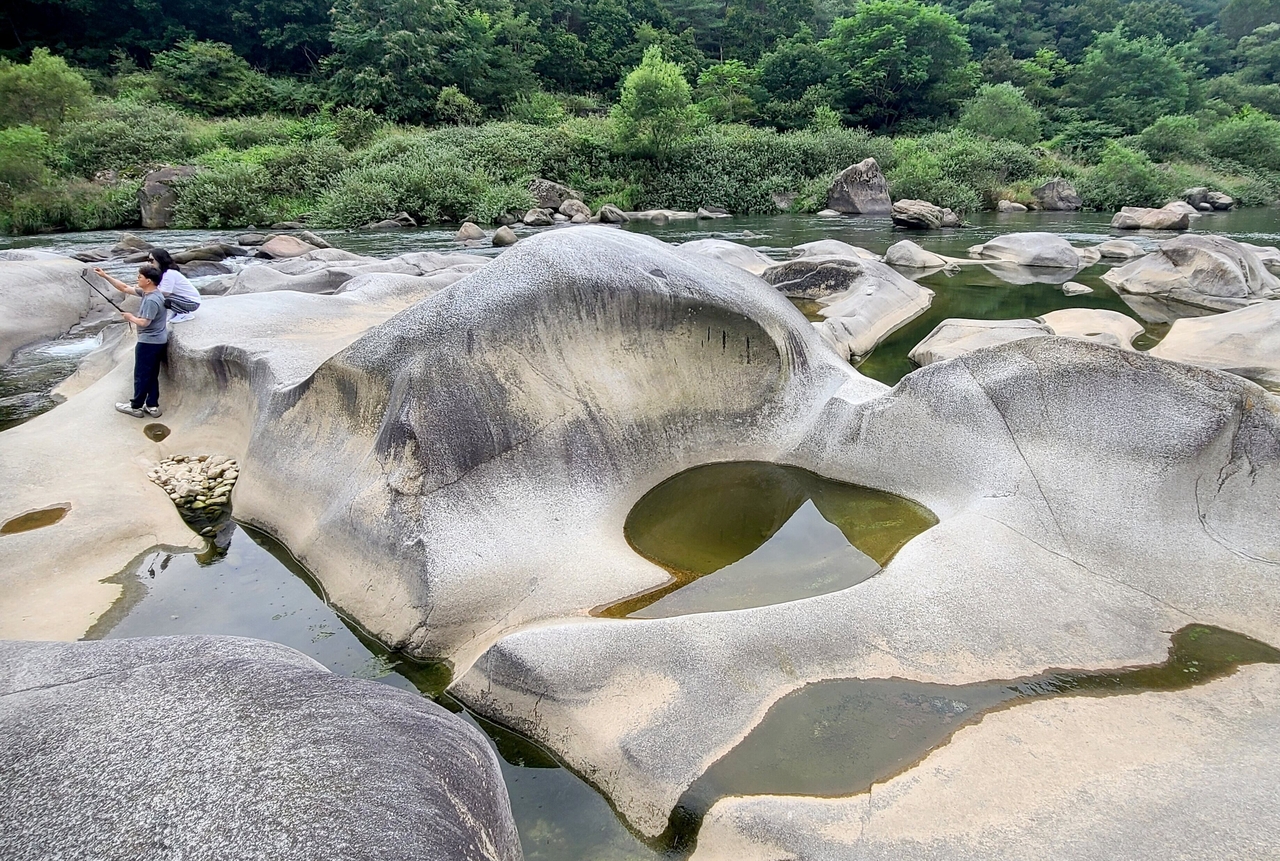
Rather than simply subsidizing one-off trips, the program will identify and cultivate partner travel agencies capable of helping address the region's population decline. These agencies will work with local tourism businesses in the coal-transition areas to develop hands-on experiential products, and will handle their own promotion and marketing to draw a steady stream of visitors.
Alongside this, a "visitor passport" program will link hidden attractions scattered across the four cities and counties into a single travel experience. The program proposes educational tourism routes themed around the history, economy, and natural and cultural heritage of the former coal-mining areas. By encouraging visitors to carry their passports across multiple destinations, the initiative aims to drive repeat visits, increase the number of people who stay overnight in the region and inject new energy into the local economy.

Son Chang-hwan, head of the Global Division at the second administrative office, said the project aims to "widely promote the appeal of the unique cultural heritage and natural environment of the former coal-mining areas." He added that the program was designed so visitors could "stay for several days, rest fully, and not simply pass through on a one-time visit," and expressed hope that it would give people a reason to return repeatedly and help revitalize the regional economy.
abc@heraldcorp.com





