
The government will wrap up its emergency economic review meetings — which the prime minister has been chairing directly — and restructure its emergency economic response framework around the deputy prime minister for economic affairs to address geopolitical risks stemming from the Middle East. Economic issues will be handled by the deputy prime minister for economic affairs, while technology matters including AI will fall under the deputy prime minister for science and technology, with responsibilities clearly delineated between the two.
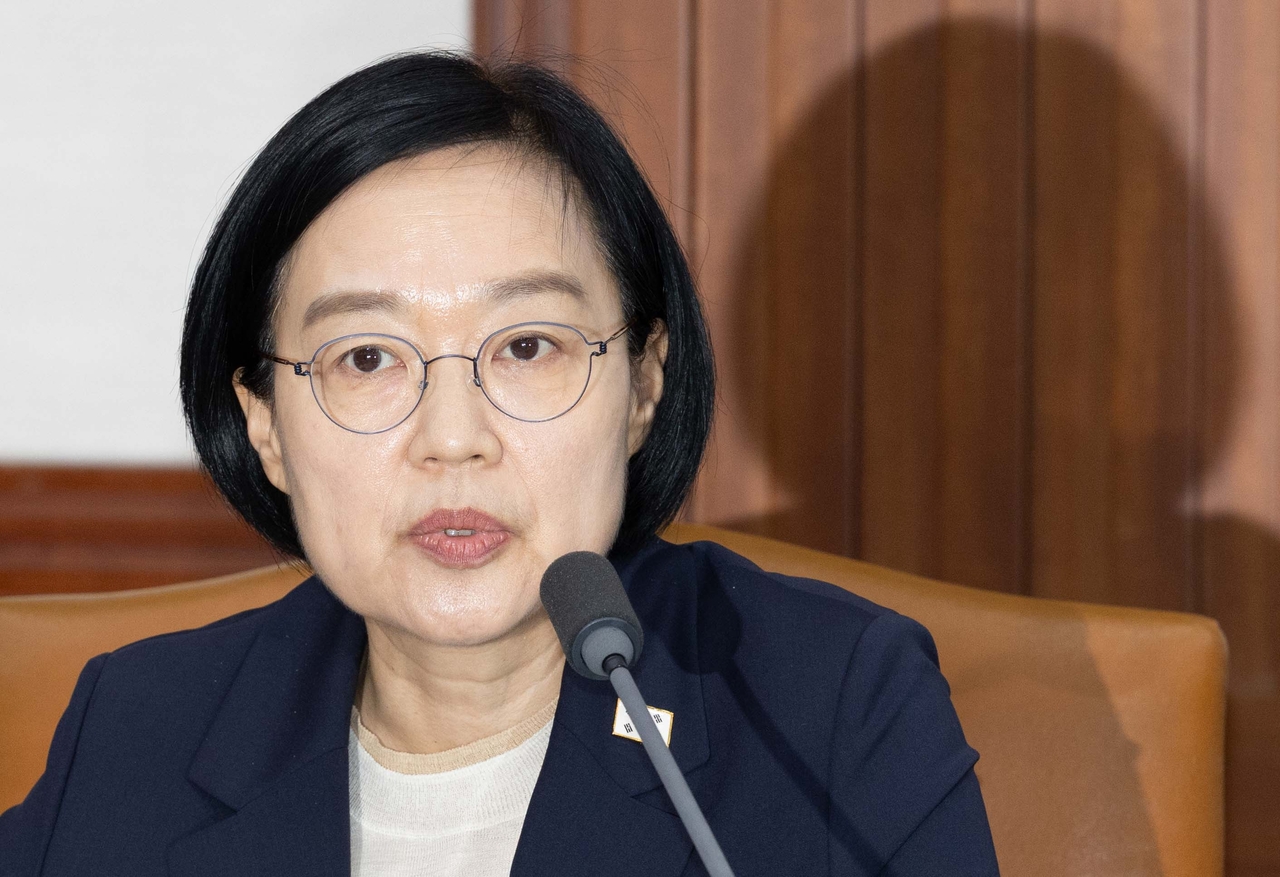
Prime Minister Han Seong-sook, presiding over the 16th emergency economic review meeting at Government Complex Seoul on Wednesday, said the government would conclude the meetings that day and shift to a structure in which the deputy prime minister takes charge of matters related to the war in the Middle East and runs the relevant meetings intensively.
"The deputy prime minister for economic affairs will handle economic issues, the deputy prime minister for science and technology will take charge of technology tasks centered on AI, and I as prime minister will focus on overseeing individual ministry operations and social policy areas," Han said.
She went on to say the government would "eliminate what needs to be eliminated and change what needs to be changed" so that vice ministers can spend less time attending multiple meetings and focus more on their core work, adding that it would build "a more accountable and efficient government operating system."
Han also said armed conflict and temporary ceasefires between the United States and Iran continue to alternate, and that the situation is growing more complex with the possibility of a Red Sea blockade. She said the government has responded to fluctuating international oil prices through measures including a maximum oil price system and fuel tax cuts, and has proactively managed the energy supply chain — securing August crude oil volumes at 110 percent of last year's levels and September volumes at more than 90 percent.
"Despite these difficulties, South Korea achieved 3.8 percent economic growth in the first half of this year compared to last year, showing that we are wisely overcoming the crisis," Han said, while urging relevant ministries to continuously monitor whether crisis-response measures taken so far are being carried out consistently, given that the emergency situation is ongoing.
She directed ministries to review the crackdown and punishment of market-disrupting practices such as hoarding and price-fixing, as well as progress on improving related regulations including the Price Stabilization Act, and to prepare additional contingency measures in advance in case the situation is prolonged or worsens.
Stabilizing livelihoods during the summer was also highlighted as a key area of focus. Han said that following the monsoon season, the extreme heat disaster alert had been raised to the serious level and the Central Disaster and Safety Countermeasures Headquarters had been activated. She called on authorities to protect elderly people, homeless individuals and residents of low-income housing who are vulnerable to extreme heat, and to spare no effort in preventing food poisoning and managing the supply and demand of agricultural, livestock and fishery products.
oskymoon@heraldcorp.com





