
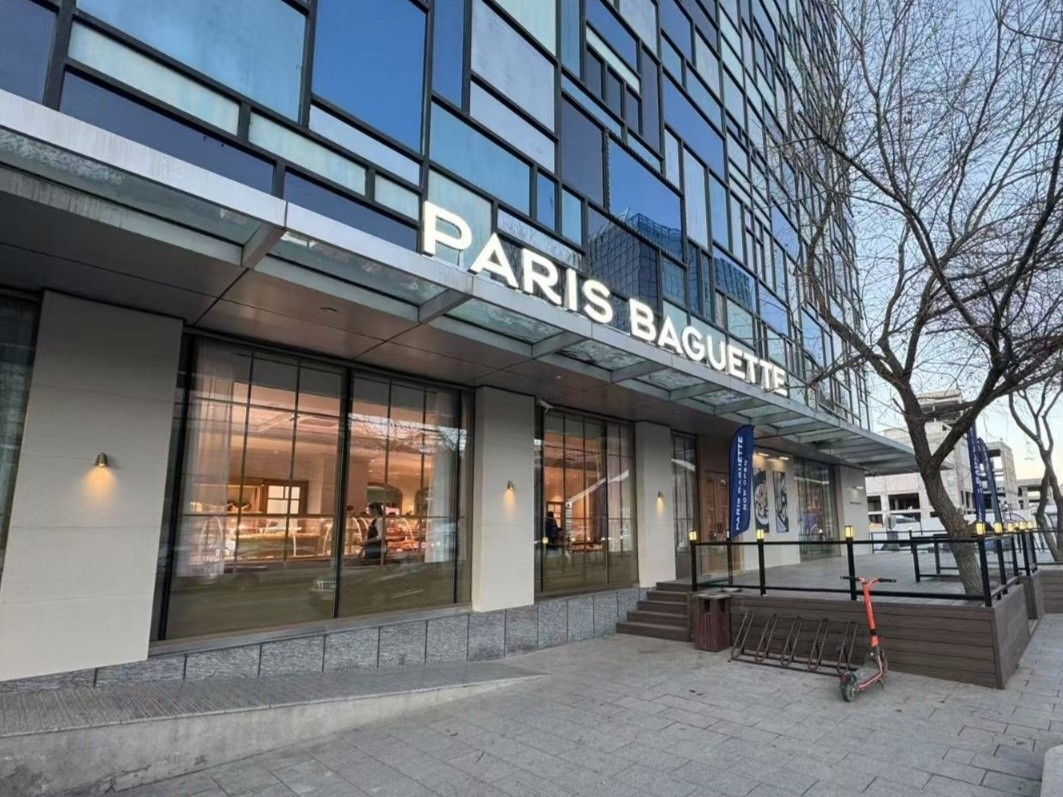
Korean brands are extending their reach beyond Southeast Asia into Mongolia. Finding a South Korean food or retail brand in the center of Ulaanbaatar, the Mongolian capital, is no longer a challenge. The presence of Korean dining and retail brands has become so embedded in everyday life that locals have coined the nickname "Mongtan new town" — a portmanteau of Mongolia and Dongtan, a major new town in South Korea.
According to Statistics Korea's Mongolian counterpart, the National Statistics Office, average monthly household income rose 17.8 percent in 2024 from the previous year. Non-food goods and services accounted for 69 percent of household spending as of 2025. More than 60 percent of Mongolia's total population is under 34. That demographic profile has drawn South Korean companies to treat the country as a next-generation strategic market and accelerate their entries.
Paris Baguette is a leading example. The bakery chain signed a master franchise agreement last year with Mongolian food and restaurant company Foodcorp LLC, then opened its first store at Zaisan Square in Ulaanbaatar in October 2025. Two additional stores in the city center have since followed. The flagship 90-seat location sells French breads and desserts alongside garlic baguettes and ring doughnuts, and also carries gift items such as roll cakes and castella sponge cake.
"In the Mongolian market, where preference for Korean culture and brands is high — especially among younger generations — we plan to lead the local bakery market through a strategy of premiumization, localization and differentiation grounded in Chairman Hur Young-in's quality-first management philosophy," a Paris Baguette official said.
CU became the first South Korean convenience store chain to enter Mongolia in 2018 and surpassed 600 stores in the country in June — the first overseas single-market milestone of its kind in the domestic retail industry. The chain sells its private-label "get Coffee," cream buns, ramyun and instant smoothies, and has also commercialized traditional Mongolian foods buuz and khuushuur as ready-to-eat items. It operates more than 50 K-beauty specialty stores.
GS25 entered Mongolia in 2021 and now operates 300 stores there. Its Mongolian sales last year reached 93.71 billion won ($65 million), roughly 22.5 times the 4.17 billion won recorded in its first year of operation in 2021.
Mega MGC Coffee opened its first Ulaanbaatar store in 2024 and has expanded to eight locations this year. Cumulative customer visits in Mongolia exceeded 100,000 as of the end of 2025. Mom's Touch, which signed a master franchise agreement with a local partner in 2023, has since grown past 20 stores and introduced a quick-service restaurant model that adds pizza to its existing burger and chicken lineup.
"Mongolia has a large young population and a strong familiarity with Korean culture, making it a market that embraces new brands quickly," an industry official said. "Once initial brand recognition is established, stable growth becomes possible on the back of loyal customers, so Korean food and retail companies will keep entering the market."
andy@heraldcorp.com





