Efforts are gaining momentum to bring traditional Korean teas — ssanghwa tea among them — into everyday consumption and establish Seoul as a destination for Korean cultural tourism, challenging the coffee-dominated domestic beverage market.
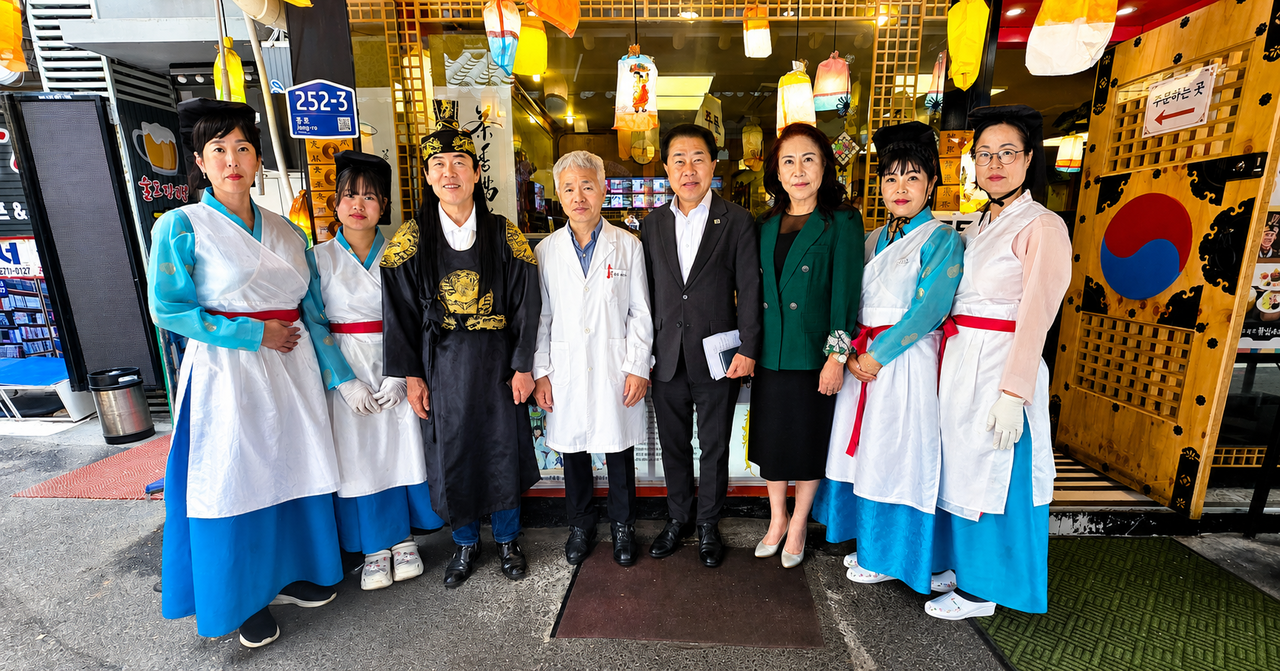
The centerpiece of the push is a proposed "K-Ssanghwa Street" in Jongno-gu that would weave together traditional herbal tea, hanok architecture, hanbok dress and wellness experiences to draw both domestic visitors and foreign tourists.
K Ssanghwa, led by founder and CEO Kim Deuk-su, has proposed that the stretch around its Jongno-gu headquarters and stores — an area that has organically developed into what locals call "Ssanghwa Street" — be officially designated a Seoul Metropolitan Government specialty district and developed into a hub for traditional Korean tea tourism.
At the heart of the vision is transforming ssanghwa tea from a niche traditional drink into an immersive K-content experience spanning food, dress, space and tourism. The plan links traditional tea tastings, hanbok experiences, hanok venues and multilingual visitor guidance so that both Korean and foreign tourists can encounter traditional Korean culture in one place.
According to Kim, the area currently draws 700 to 800 visitors on weekdays and around 1,000 on weekends, with foreigners accounting for roughly 10 percent of total visitors.
K Ssanghwa envisions building a public-private partnership involving the Seoul Metropolitan Government, local district offices, tourism agencies and neighborhood merchants to improve multilingual signage, optimize visitor routes and gradually expand traditional tea experiences. The goal is a tourism model that extends visitors' stays while spreading consumer spending to surrounding businesses.

From shaved ice to cappuccino: modernizing ssanghwa tea for younger and foreign palates
Product modernization is also underway to broaden the appeal of traditional tea. Beyond the classic strong ssanghwa brew, K Ssanghwa has developed a range of menu items — ssanghwa shaved ice, ssanghwa cappuccino and iced drinks — designed to lower the barrier to entry for younger consumers and foreign visitors.
The thinking behind the push is that traditional tea must become as casually consumed as coffee before it can grow into a genuine industry.
Kim began researching herbal ingredients and ssanghwa tea in 1998, steadily developing manufacturing methods and new products. After securing relevant patents and standardizing the taste and quality of his products, he expanded into the franchise business.
Standardization — ensuring a consistent taste regardless of which store a customer visits — sits at the core of his industrialization strategy. A nationwide franchise network and overseas expansion are only viable if every outlet delivers the same quality, Kim said. The company already operates a store in Australia alongside its domestic franchise locations as it tests the potential of international markets.
K Ssanghwa also plans to deepen its ties with the tourism industry. Kim noted that traditional Korean tea is surprisingly hard to find even at major Seoul tourist sites — including Gyeongbokgung — that draw large numbers of foreign visitors. His aim is to make traditional tea as essential a part of a Korea trip as hansik, hanbok and historic palaces, and to link tea drinking with hanbok and hanok experiences, cultural activities and related product purchases to simultaneously extend visitor stays and boost spending.
The company has also proposed expanding access to traditional tea at public and tourism facilities — broadening the options available in rest areas and convenience spaces that currently revolve around coffee so that visitors encounter traditional tea more naturally.
K Ssanghwa plans to accelerate both domestic growth and overseas expansion. With Korean cultural content — hansik, K-pop, K-beauty — spreading globally, the company believes traditional tea, given the right modern products and service model, has the potential to emerge as a new pillar of K-content.
"We need to turn traditional tea into a culture — one where foreigners who visit Korea feel they simply must try it," Kim said. "Our goal is to pursue domestic popularization and overseas expansion together, and to grow ssanghwa tea into Korea's signature drink enjoyed around the world."
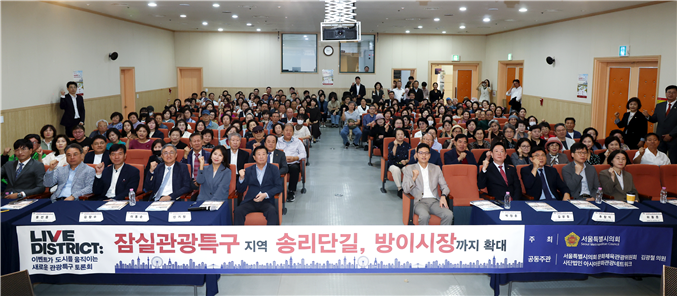
Kim Yong-ho, a former lawmaker who served as vice chair of the Urban Safety and Construction Committee of the 11th Seoul Metropolitan Council, said public attention and support are needed to help the traditional tea content that the private sector has built over many years develop into a genuine Seoul tourism asset. "I will work to find ways to cooperate with relevant agencies and secure institutional support so that K Ssanghwa Street can grow into a new Seoul landmark that both Korean and foreign visitors love to visit," he said.
7toy7@heraldcorp.com