Eighty-one years have passed since Korea regained its independence on Aug. 15, 1945. Liberation Day — "gwangbok," meaning "to reclaim the light" — marks the restoration of national sovereignty lost during Japan's colonial rule. It also commemorates the formal establishment of the South Korean government in 1948.
The holiday carries within it the suffering of those who lived through 35 years of lost nationhood, and the unyielding will of those who refused to give up.
For a holiday that has long settled quietly into everyday life, several films are available at home to help viewers look beyond the red mark on the calendar and reflect on what Liberation Day truly means — stories of pain, resistance and the people who lived through one of Korea's darkest chapters. Here are five films to make Aug. 15 more meaningful.
For those who fell without a name: 'Assassination'

Set in 1933 Shanghai and Gyeongseong, "Assassination" follows a team of independence fighters — a sharpshooter and hired guns — assembled to eliminate a Japanese military commander and a pro-Japanese collaborator. The film draws on real independence movement organizations and events, and its star-studded cast, including Jun Ji-hyun, Lee Jung-jae, Ha Jung-woo and Jo Seung-woo, generated strong buzz upon release.
The film reframes the weighty subject of the independence movement through the grammar of an action-packed entertainment film — gunfights, chase sequences and relentless tension — while never losing its heartfelt tribute to the countless fighters who perished without leaving so much as a line in the history books.
It drew approximately 12.7 million admissions, making it a 10-million-admission film. More than a decade on, it remains an accessible watch for the whole family and a natural fit for the Liberation Day holiday. It is available on Netflix, Coupang Play, Tving, Wavve and Disney+.
Conviction, survival and country: 'The Age of Shadows'
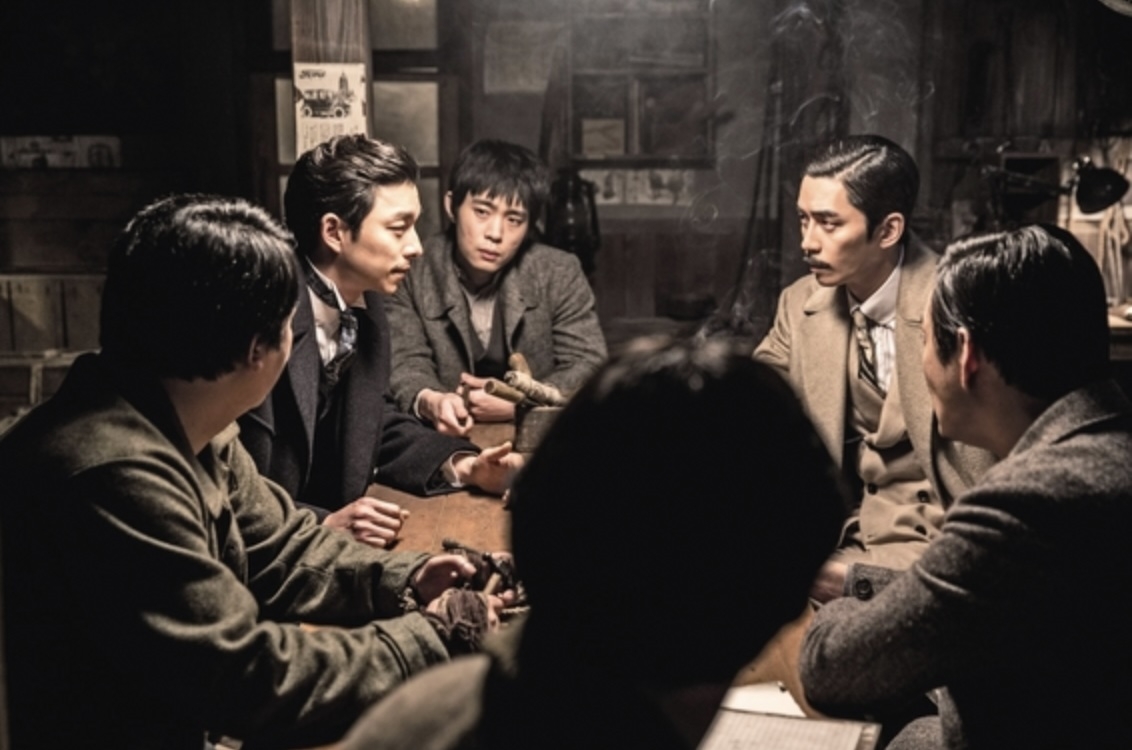
Directed by Kim Jee-woon, the 2016 spy thriller "The Age of Shadows" stars Song Kang-ho and Gong Yoo in a story centered on the Uiyeoldan resistance group's mission to smuggle explosives into Korea during the Japanese colonial period — and on a Korean detective working for the Japanese police who finds himself torn between two worlds.
Rooted in the real activities of the Uiyeoldan, the film moves beyond a simple binary of patriots versus collaborators to probe the complicated inner lives of people caught between conviction and survival, between loyalty to their homeland and the need to put food on the table. It asks whether those who accepted the choices a brutal era forced upon them can truly be judged.
In doing so, the film suggests that Liberation Day is not simply a day to celebrate the victory of "our side," but a day to understand the anguish of everyone who had to live through that era.
"The Age of Shadows" drew approximately 7.5 million admissions on release and is currently available on Coupang Play, among other platforms.
A quiet reckoning with history: 'Dongju: The Portrait of a Poet'

For those who want to listen to history slowly and deeply — alone or with someone close — director Lee Joon-ik's "Dongju: The Portrait of a Poet" (2016) is the film to reach for. Shot in black and white, it traces the brief lives of poet Yun Dong-ju and his cousin and friend, independence activist Song Mong-gyu.
In place of action sequences or espionage thrills, the film turns quietly inward, dwelling on the poet's inner world and moral struggles. Scenes in which Yun's verses drift across the screen may linger in the viewer's mind long after the credits roll.
Made on a modest budget, the film drew approximately 1.17 million admissions. It is available on Netflix and Coupang Play.
A victory worth remembering: 'The Battle: Roar to Victory'
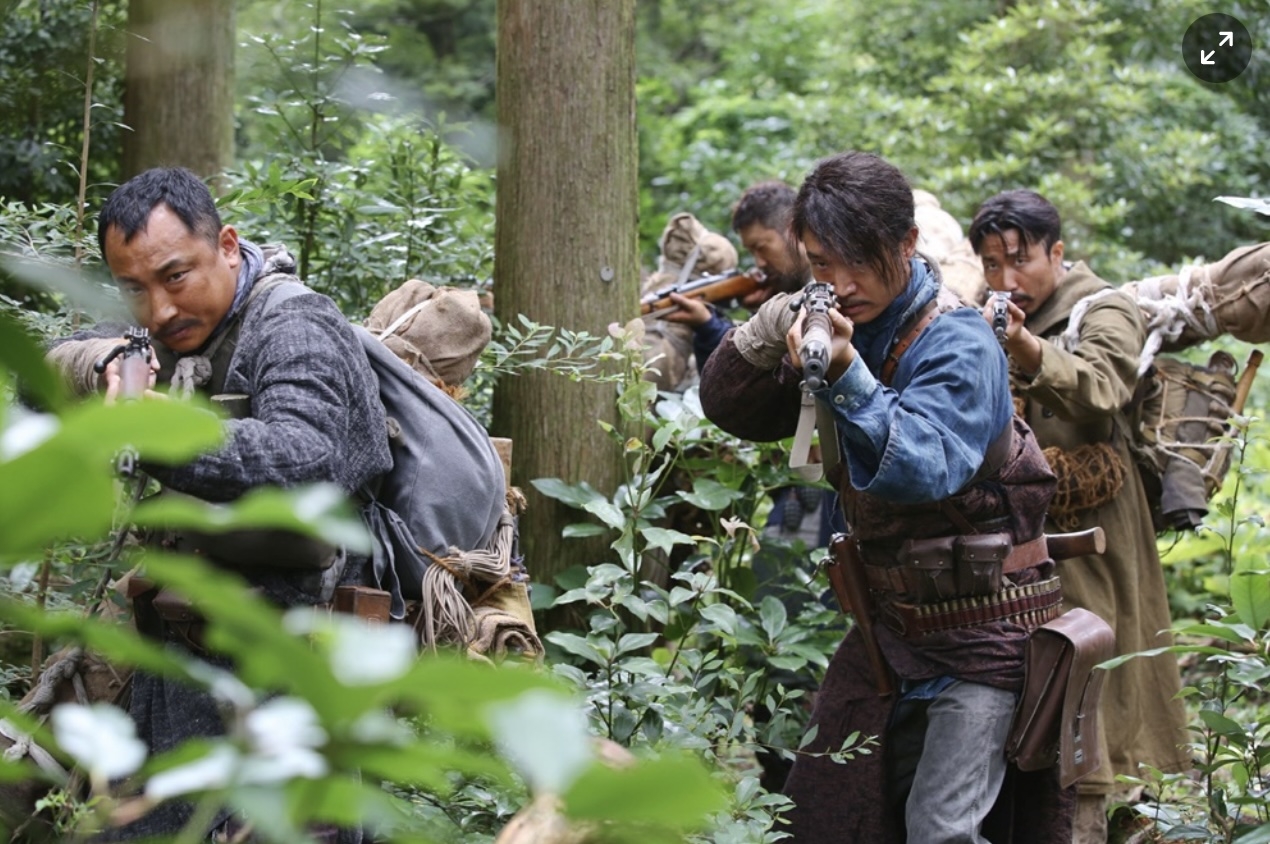
Released in 2019, "The Battle: Roar to Victory" is a war action film directed by Won Shin-yeon and starring Yoo Hae-jin, Ryu Jun-yeol and Jo Woo-jin.
The film brings to the screen the 1920 Battle of Bongodong, in which Korean independence fighters achieved a genuine victory against regular Japanese forces in Manchuria — one of the rare instances in which Korean fighters bested the Japanese military in open combat.
A story of hard-won triumph rather than defeat, sacrifice and despair, the film is well suited to stir a sense of pride on Liberation Day. It drew approximately 4.78 million admissions on release and is now available on Netflix, Tving and Coupang Play, among other platforms.
Words and language as resistance: 'Mal-Mo-E: The Secret Mission'
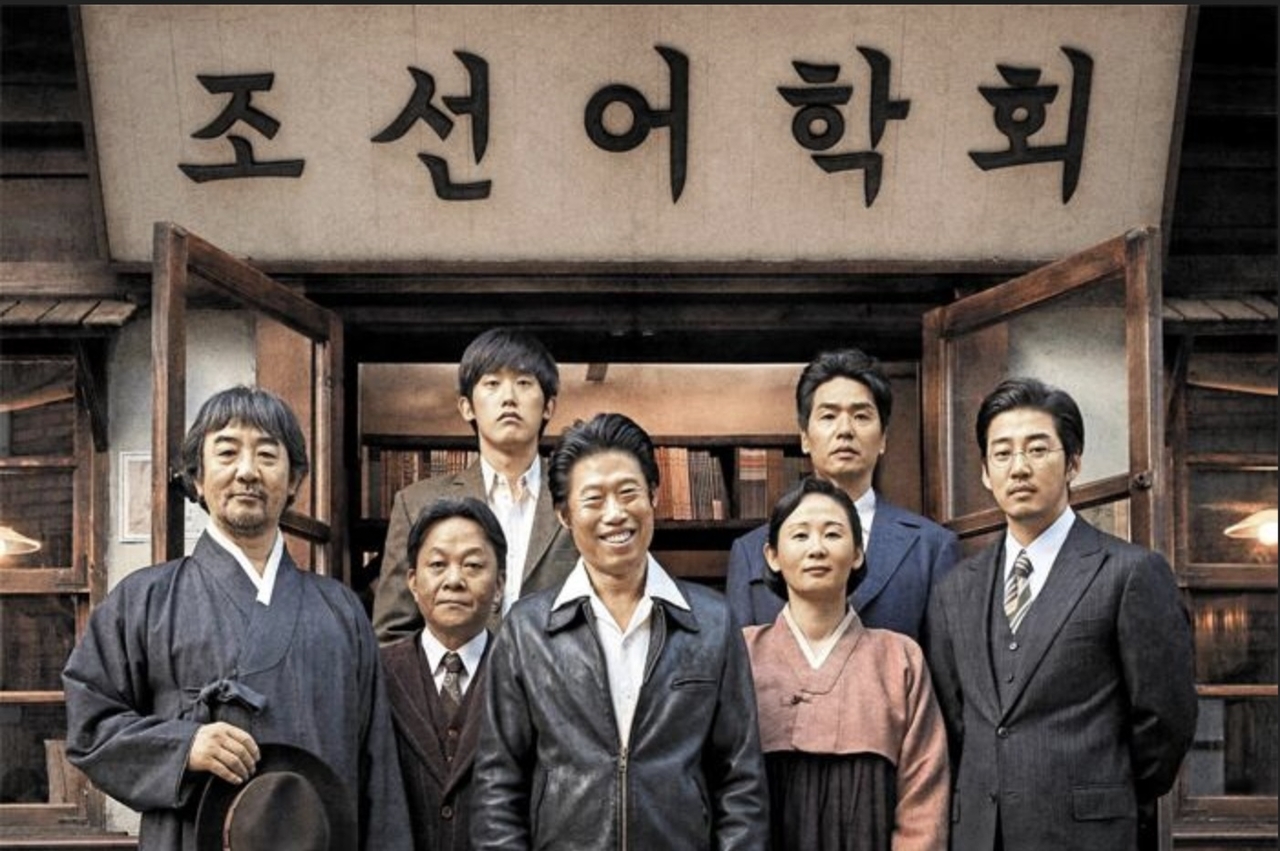
The struggle for independence was not fought only with guns and swords. Director Eom Yu-na's "Mal-Mo-E: The Secret Mission" (2019) depicts members of the Korean Language Society risking their lives to compile a Korean dictionary at a time when Japan had banned the use of the Korean language.
The film makes a powerful case that preserving the Korean language — and through it, the spirit and identity of a people — was itself an act of life-or-death resistance. Starring Yoo Hae-jin and Yoon Kye-sang, it drew approximately 2.86 million admissions. It is available on Netflix, Tving and Coupang Play, among other platforms.
balme@heraldcorp.com