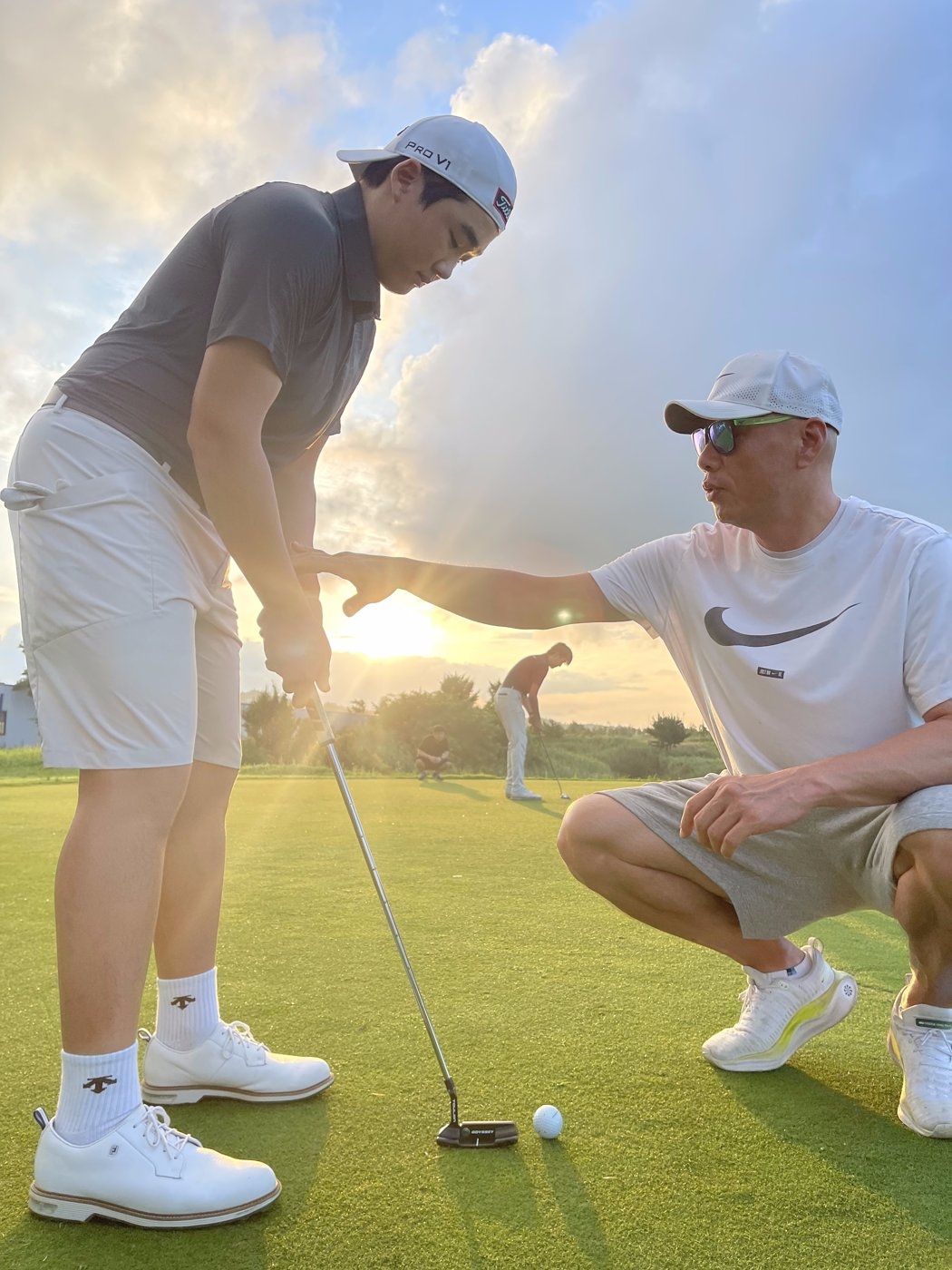
AP Golf Academy, a golf education systems company led by CEO Kim Se-ho, has chosen Palm Spring Golf Club on Indonesia's Batam Island as its winter training destination. The academy will run a 55-day camp over eight weeks from January through early March next year.
The main training venue is Palm Spring Golf Club, which features a dedicated unlimited-practice hole facility. For intensive drills and competitive rounds, participants will use Batam Island Golf Club, a championship-grade course. Accommodation will rotate between Palm Spring apartments and Batam View Hotel depending on the training phase. A separate track linked to South Links Country Club for amateur clinics is still under negotiation. Batam Island is also served by a direct Jeju Air route from South Korea, making access relatively convenient.
The winter camp is designed to do more than relocate training overseas. AP Golf Academy plans to bring its integrated domestic development program — the AP Legacy System — directly to the camp site, handling technology, physical conditioning, data management and mental coaching within a single unified framework.
The history of golf training camps dates to the 1920s in the United States, when players from northern states traveled to warmer regions such as Florida, Texas and California to keep practicing and competing through the winter. By the 2000s, resorts and golf clubs had begun bundling practice facilities, physical training and data-analysis services into packaged offerings. Winter training camps have since evolved well beyond a seasonal escape, becoming a program that can directly shape a player's performance during the competitive season.
South Korean tour players have followed the same trajectory with their own winter camps. Southeast Asia long served as the go-to destination for cost-conscious camps, prized for short travel distances and low living costs. More recently, however, players and academies have begun weighing a broader set of factors — including the quality of the training structure, exchange rates and safety conditions.
AP Golf Academy aims to move beyond the traditional model of relying on the instincts and personal skills of individual coaches, instead building an organization that jointly designs its educational philosophy, standardized lesson structures, data-recording systems and coach networks. CEO Kim Se-ho, a former KPGA Tour professional and adjunct professor in the golf industry program at Kyung Hee University, leads the system design and brand operations alongside the academy's core founding members.
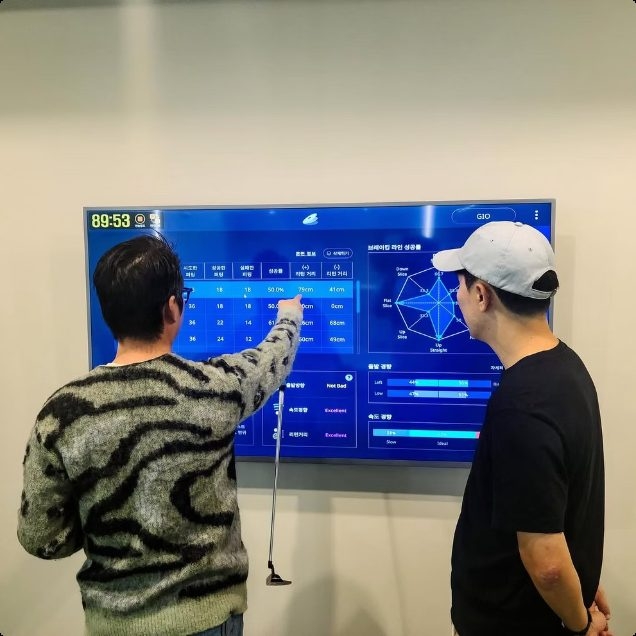
"Whether it's Southeast Asia or Europe, ultimately what develops a player is the system, not the location," Kim said. "We focused on bringing the integrated system we have validated domestically to the training site, so that players can grow to the same standard wherever they train."
That system will be applied in full during the Indonesia winter camp. All coaching is built on the Swing Learning Matrix, an eight-stage learning framework through which training records and development data are accumulated. Operations follow a five-step process: precision diagnosis, customized program design, integrated coaching execution, condition management and growth review. Mental coaching overseen by AP performance director Hwang Deok-ha — a sports psychology counselor, director of a golf psychology treatment research institute, and a coach with 36 major-championship victories across the PGA, LPGA and KPGA tours — is embedded as a core part of the regular curriculum.
According to the company, the camp will be divided into three tracks based on each participant's goals and level. The A team will follow AP Golf Academy's full eight-week curriculum. The B team will have access to the core infrastructure — including the unlimited-practice hole facility at Palm Spring Golf Club, accommodation and competitive round opportunities — along with two group clinics per week.
The C team operates as a short-term program of three to four nights, running in both summer and winter rather than being limited to the winter season. Structured as a clinic for tour players, elite juniors and aspiring professionals, it focuses on sharpening competitive instincts within a condensed timeframe.
yjc@heraldcorp.com