A proposal has emerged to transform the Jamsil tourism special zone from a loose collection of attractions into a destination that keeps visitors overnight — one where accommodation, spending, and cultural and sports content reinforce one another in a virtuous cycle. The vision calls for linking Songpa-gu's core assets — Olympic Park, Seokchon Lake, Songnidan-gil and Bangi food street — into a single visitor circuit that extends stays and spreads the economic benefits to alley commerce throughout the district.
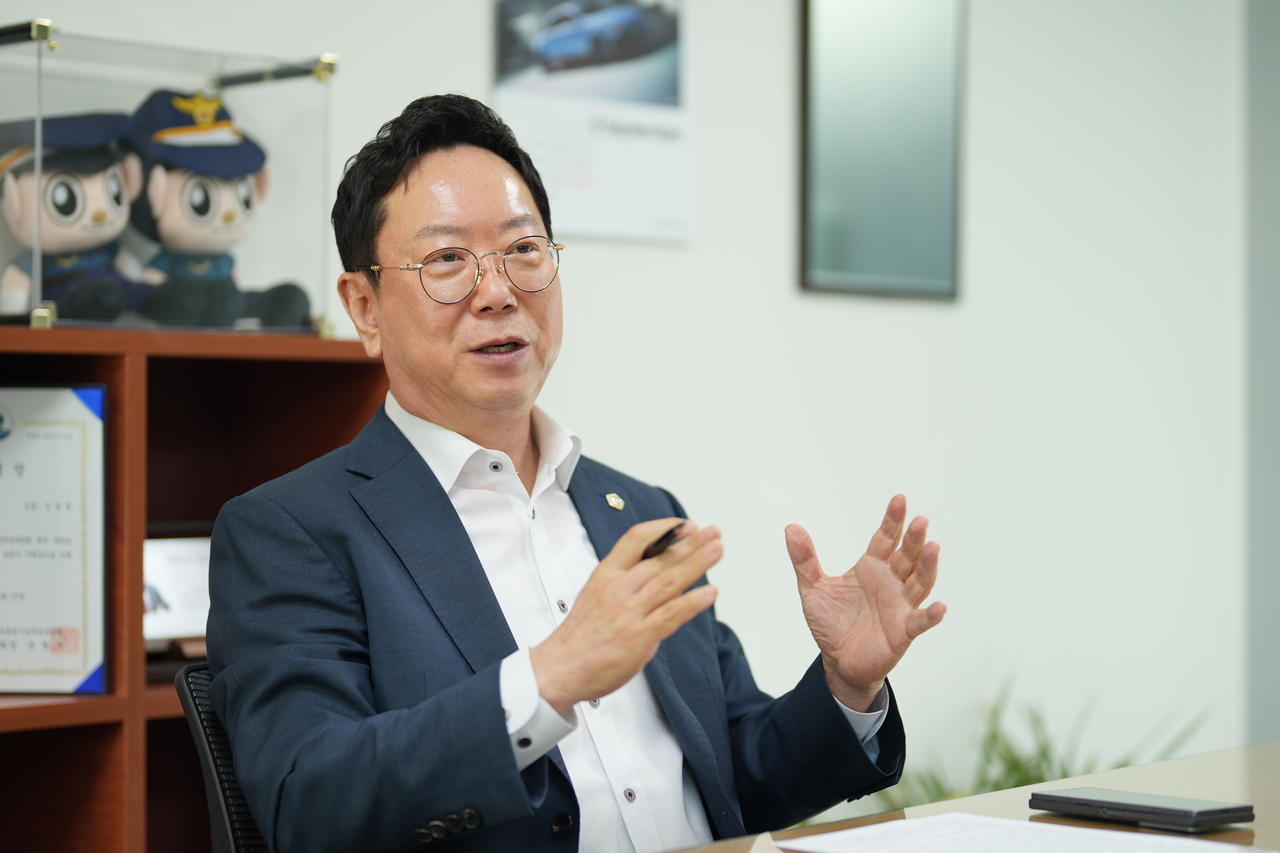
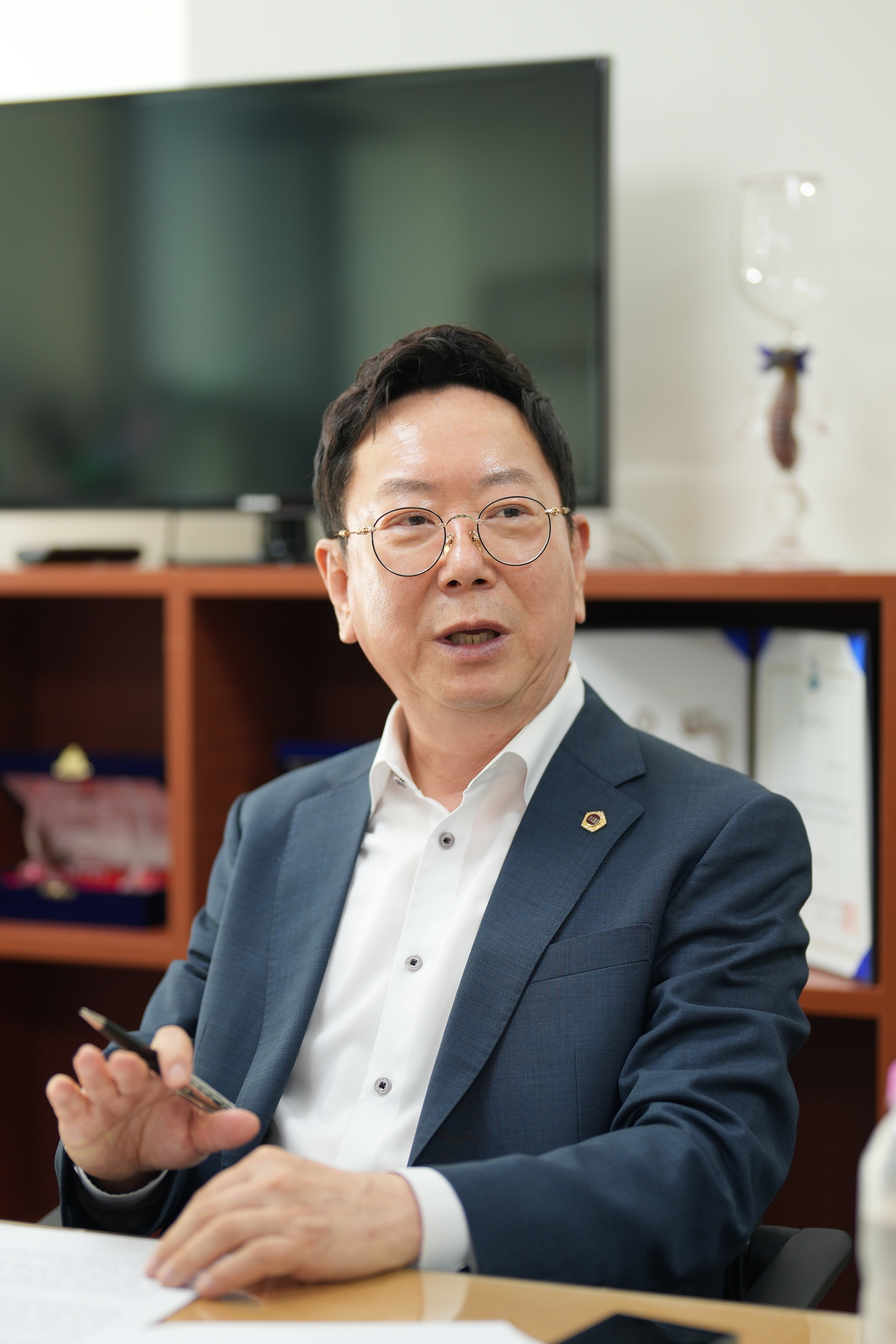
Kim Gwang-cheol, a Seoul Metropolitan Council member representing Songpa District 2 for the People Power Party, laid out his priorities for strengthening the Jamsil tourism special zone in an interview on Tuesday, pointing to expanded stay-oriented content and more effective support for the designated zone as the key tasks ahead.
Kim, who began his council work on the Culture, Sports and Tourism Committee, has focused on connecting Songpa's cultural, sports and tourism assets to local commercial revitalization. His earlier work as a member of the Jamsil Tourism Special Zone Council gave him a close-up view of the realities facing the local tourism industry and its merchants, and that experience has shaped his policy thinking.
He said Songpa already possesses more than enough competitive assets — Lotte World, Seokchon Lake, Olympic Park, Bangi food street and Songnidan-gil — but that the attractions currently operate in isolation, making a strategy to weave them into a coherent visitor itinerary essential.
Kim's proposal centers on building a single belt connecting the tourism and shopping facilities around Jamsil with Seokchon Lake, Songnidan-gil, Bangi food street, Bangi Market and Olympic Park. Layering performances, festivals and sports events onto that circuit would lengthen visits and ensure that spending flows beyond the major venues to traditional markets and alley businesses, he said.
Kim also noted that the current tourism special zone designation has not delivered the kind of differentiation its name implies. He said merchants on the ground frequently point out that, unlike major tourist cities abroad — where illuminated signage, outdoor terraces and plaza culture are defining attractions — domestic special zones feel little different from ordinary commercial areas in terms of how space is used and how businesses operate.
He said areas holding the special zone designation therefore need institutional exemptions that set them apart from regular commercial districts, backed by administrative and fiscal support, and that Seoul Metropolitan Government should revisit what tangible assistance it can offer that visitors and merchants will actually feel.
Kim also identified nighttime tourism as a major lever for lifting Songpa's competitiveness. The current pattern — visitors touring the main attractions during the day and then moving on to other parts of the city — makes it difficult to generate meaningful spillover effects in accommodation, dining and shopping, he said.
He proposed integrating music, lighting and advanced visual technology into the lake and existing fountain spaces at Olympic Park to create a signature nighttime attraction for Songpa. Expanding evening entertainment options would lengthen visit schedules, he said, which in turn could drive higher sales for hotels, restaurants and nearby shops.
Linking culture and sports content to tourism and commercial revival
Kim said culture, tourism and sports must not be treated as separate policy silos. Performances, festivals and sporting events should generate new visitor demand, and the resulting foot traffic should feed into accommodation, dining and shopping, he said. Seoul Metropolitan Government's support framework, he added, needs to go beyond allocating budgets to individual events or facilities and instead be designed holistically so that cultural and sports content drives urban tourism and commercial revitalization.
Kim said major games, international competitions, and performances and festivals held in Seoul should be paired with nearby attractions and commercial districts, while community infrastructure should be expanded equitably across neighborhoods so residents can enjoy cultural activities and recreational sports close to home. He also said he would monitor closely whether project spending translates into concrete outcomes — broader cultural access for residents and a genuine recovery for local commerce.
Among pressing local issues, Kim identified the reconstruction of the Olympic Village apartment complex in Oryun-dong and the mixed-use redevelopment of the public office building in Bangidong as matters requiring urgent resolution.
On the Olympic Village reconstruction, Kim said the project should not focus solely on housing renovation but must simultaneously pursue expanded infrastructure — transportation, education, parks and daily amenities. Because a large-scale redevelopment will significantly alter surrounding conditions, including traffic volumes and demand for school places, he said he would push Seoul Metropolitan Government to prepare a comprehensive response plan in advance.
Kim also plans to work toward getting the mixed-use redevelopment of the Bangidong public office complex back on track after delays caused by cultural heritage excavations and rising construction costs.
He said he has monitored the project's progress and maintained consultations with relevant agencies since his time as a Songpa district council member, and that the time has come to present residents with concrete, tangible results. He said he would also take an active coordination role to ensure smooth consultations among Seoul Metropolitan Government, Songpa-gu and Korea Land and Housing Corporation.
For the Songpa 1 and 2 neighborhoods, Kim said the priority is to boost vitality along the Songnidan-gil commercial strip while improving living conditions for residents. He plans to upgrade parking facilities and pedestrian environments for visitors while minimizing noise and congestion for residents, and to secure administrative and fiscal backing from Seoul Metropolitan Government to keep aging residential area improvements moving forward.
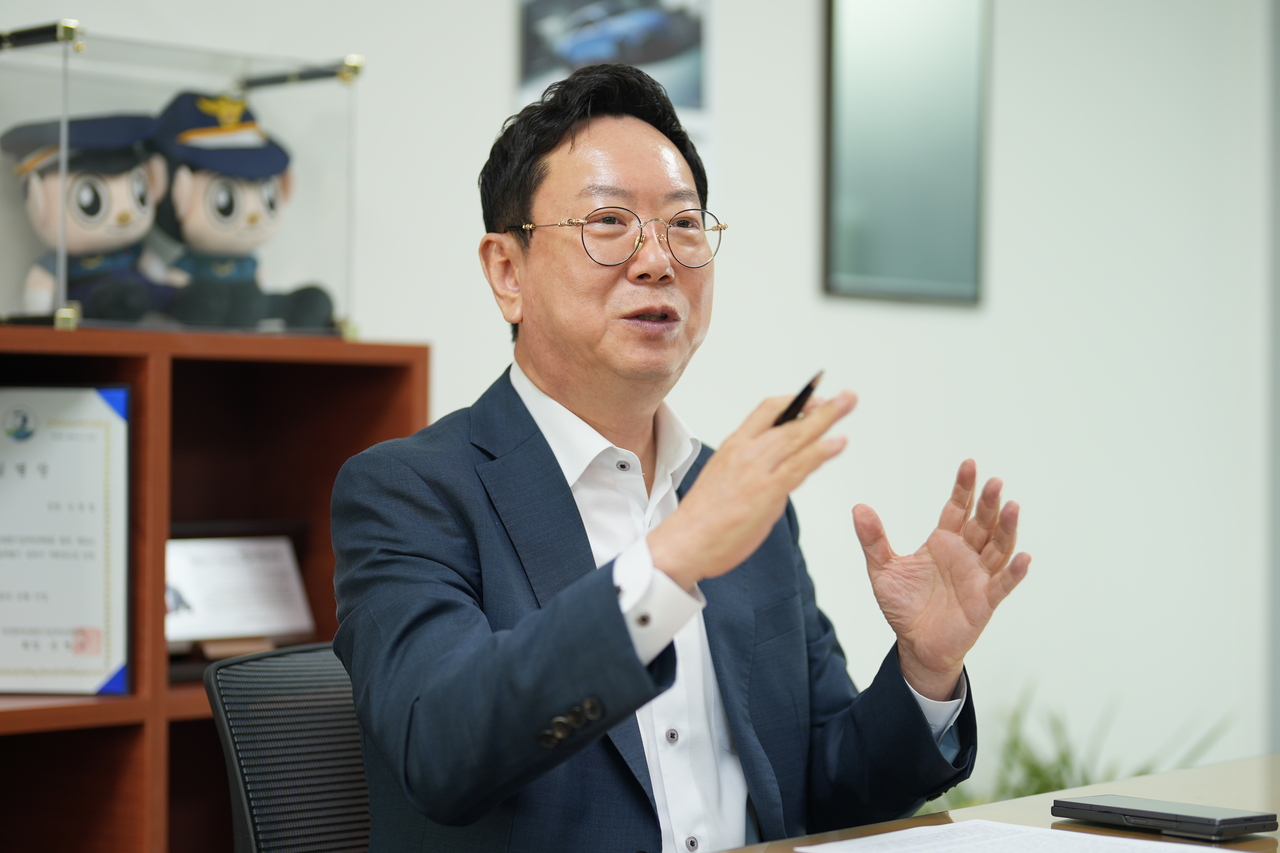
'Find what's needed on the ground first, then make it policy and budget'
Kim entered politics drawing on years of hands-on business experience and long community service in the area. He first put down roots in Songpa when he joined Hyundai Motor Company in 1988, and went on to run a business in the district while staying closely connected to residents. Serving as a neighborhood self-governance committee chair and as the inaugural secretary-general of the Jamsil Tourism Special Zone Council, he came to see firsthand the difficulties facing daily life and local commerce — and concluded that without administrative and institutional backing, local problems could not be solved at their root, which led him to seek a seat on the district council.
As a Songpa district council member, he worked to resolve residents' complaints and identify projects needed for the area's development. He also came to appreciate the limits of what a district council could accomplish on its own: issues involving multiple agencies or requiring metropolitan-level funding — transportation, housing, tourism, large-scale infrastructure — were simply beyond the reach of a single district's authority and budget.
He said that while district council members play the role of hearing residents' voices first and resolving everyday inconveniences, city council members must take those concerns and translate them into Seoul-level policy and budget commitments to produce more structural solutions. Turning community demands into lasting outcomes by connecting them to city projects and institutional reform, rather than simply processing them as individual complaints, is the responsibility of a city council member, he said.
"Politics, I believe, is not about waiting until residents say they need something — it is about going to the scene first, finding what is needed, and making it happen through policy and budget," Kim said. "I want to be a council member who is judged by results, not words, and whose work residents can feel in their daily lives."
Kim said he intends to continue a field-first approach to his council work, listening carefully to community voices. He plans to work closely with relevant Seoul Metropolitan Government departments on Songpa's major challenges — activating the Jamsil tourism special zone, advancing the reconstruction and public office complex redevelopment, and improving residential environments — while keeping a steady watch on how each project progresses. His aim, he said, is not merely to handle the issues placed before him but to proactively identify what the district needs, translate those needs into concrete policy and budget commitments, and deliver real change in residents' lives.
7toy7@heraldcorp.com