Customer showcase held Wednesday
Robots carry up to 3.4 tons, boost parking capacity by up to 50%
Control system developed at Hyundai Motor production sites
Expansion to EV charging and car washing in the works
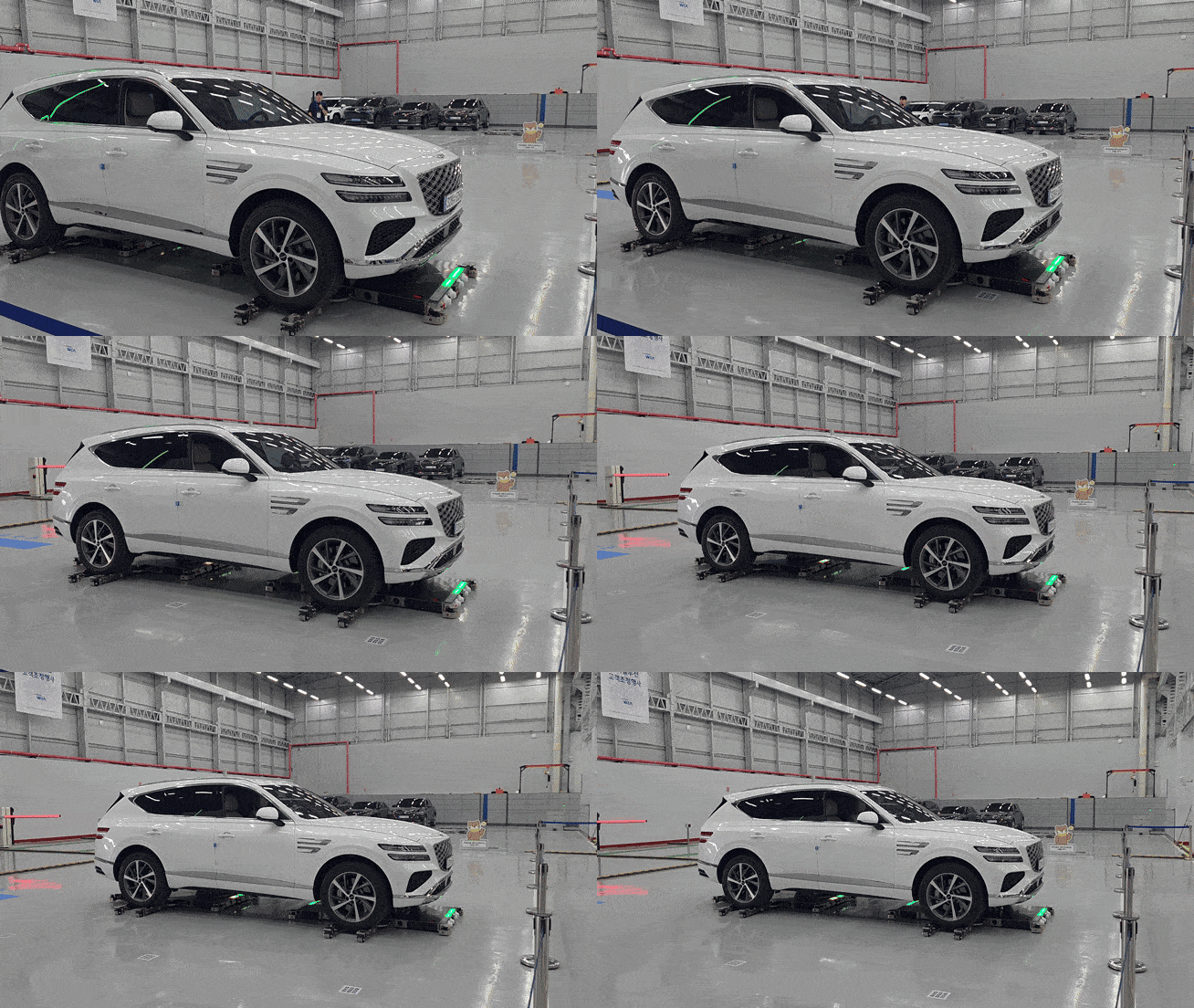
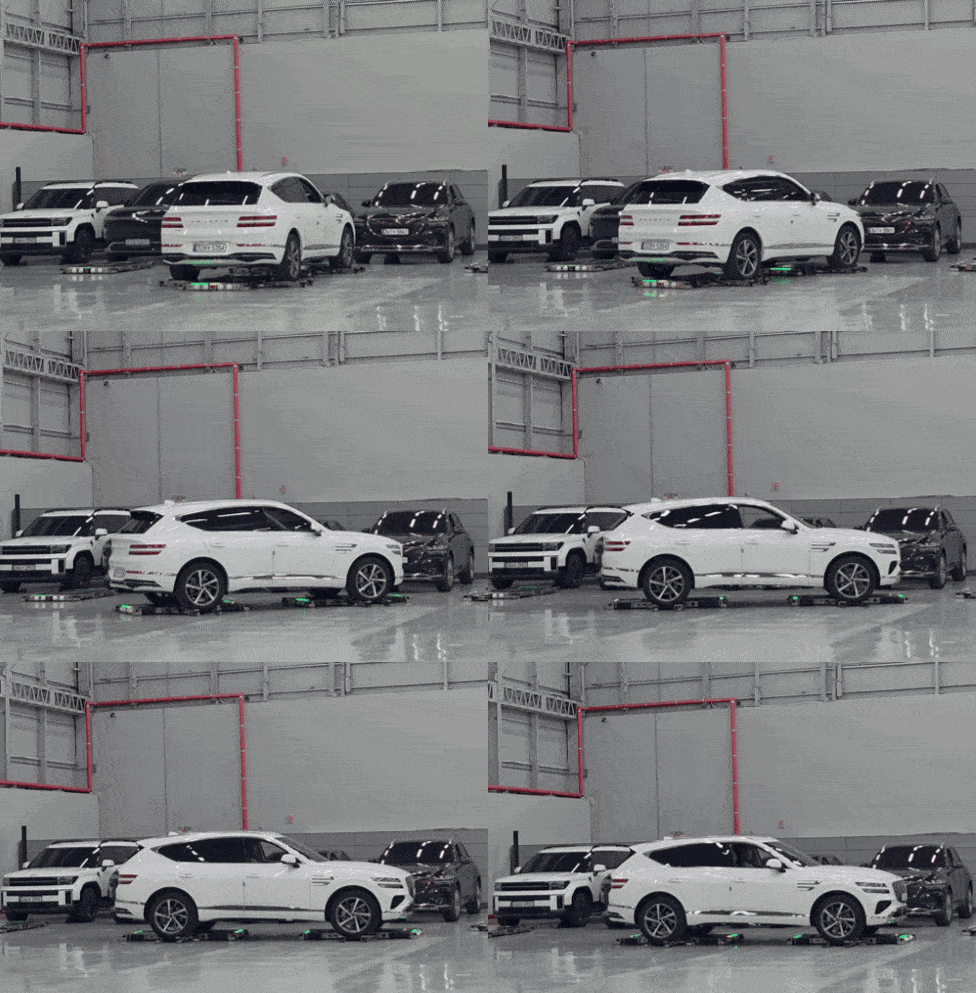
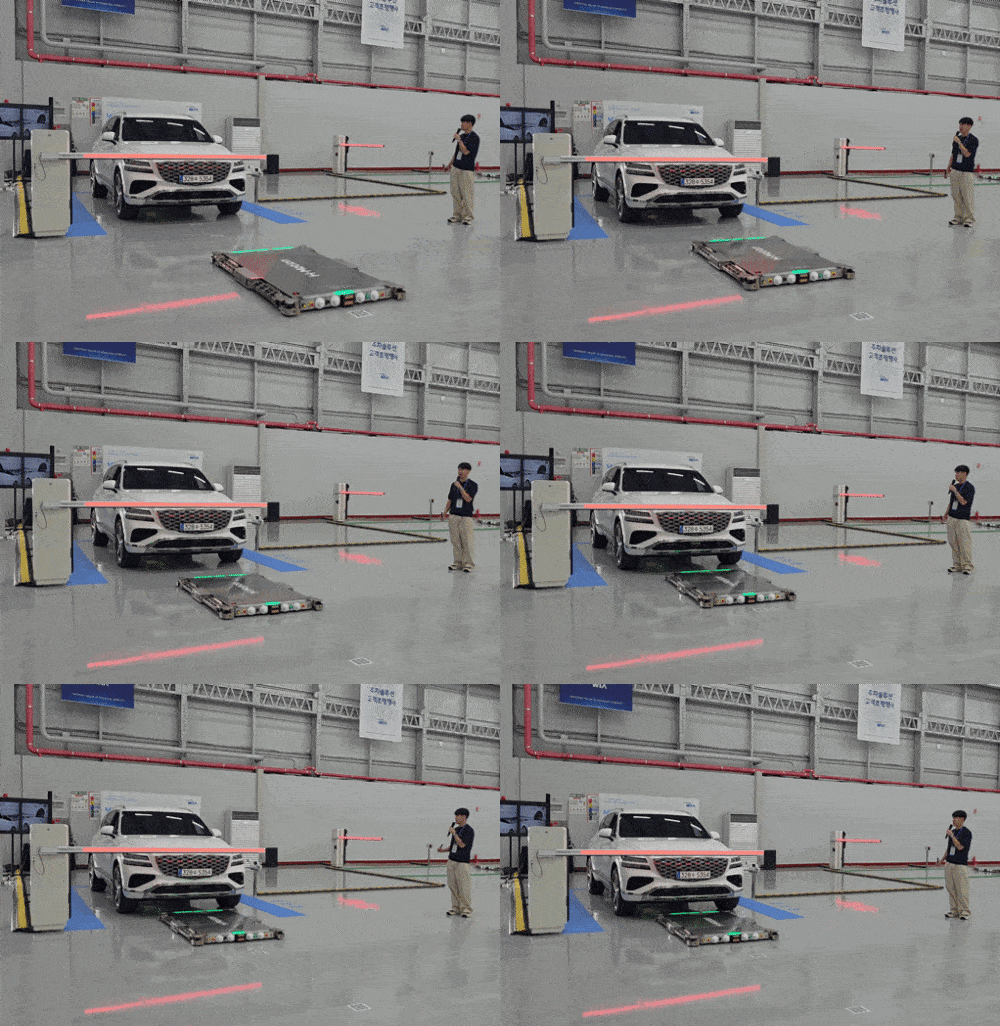
Two robots, each just 110 millimeters thin, slid silently beneath a Genesis GV80. Moments later they lifted the front and rear wheels, raising the entire vehicle off the ground. The robots moved the car forward through a barrier gate, rotated it 90 degrees on the spot and glided it sideways — a maneuver no human driver could replicate. After a series of turns and shifts, the GV80 was double-parked, and the two robots slipped back out between the wheels.
Hyundai WIA is pushing into the apartment parking market, led by robots capable of moving large electric SUVs weighing more than 3 tons. With regulations that had blocked parking robot installations in residential complexes recently eased, the company plans to expand beyond factory floors into apartments and public facilities.
Residential regulations lifted in July, opening door to apartments
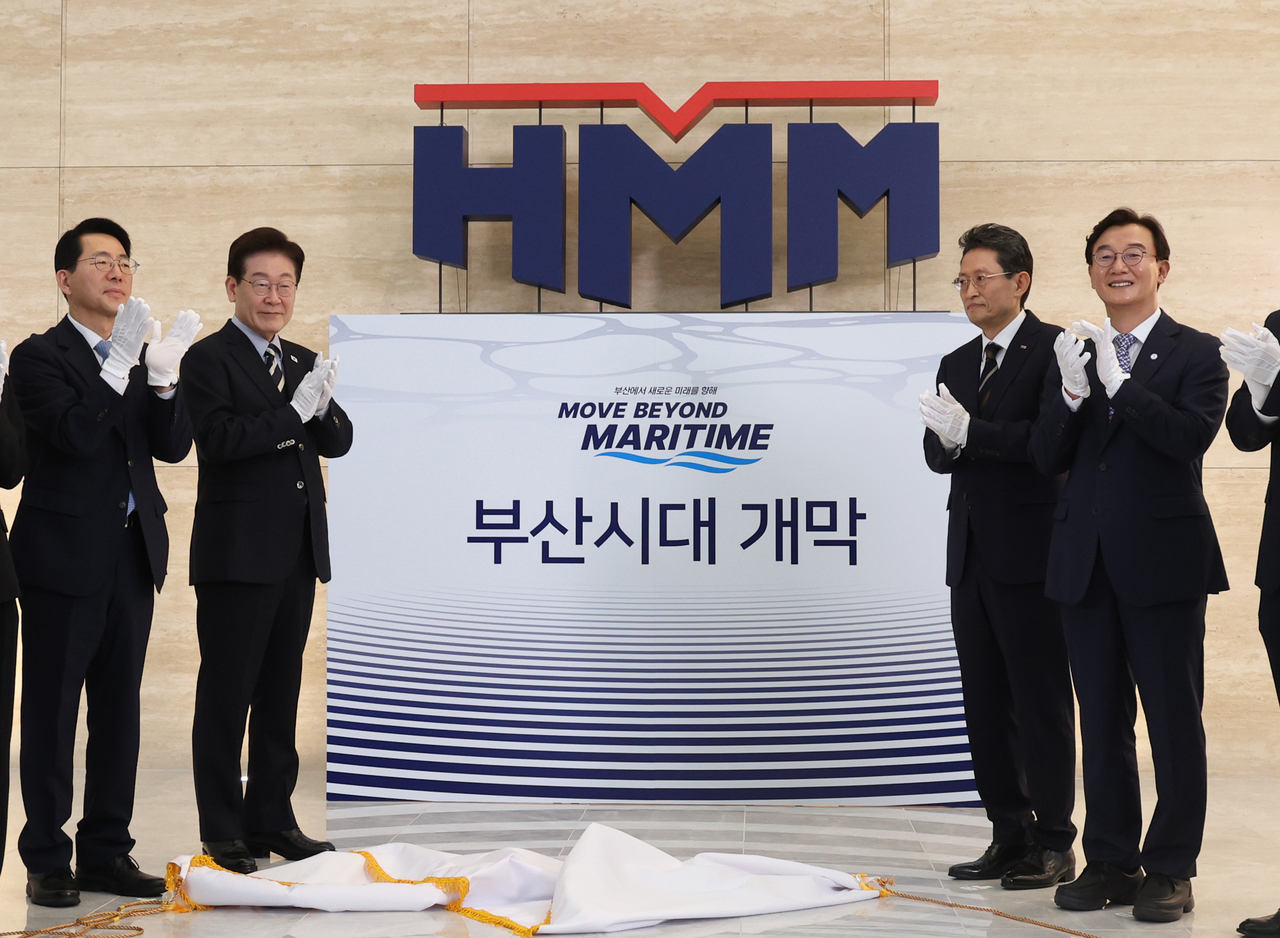
Hyundai WIA held a parking solution customer showcase Wednesday at Hyundai Motor Group's Uiwang Research Center in Uiwang, Gyeonggi Province, unveiling how its parking robots work and how they can be applied in residential complexes. About 800 customers from construction companies and contractors attended. It was the first time Hyundai WIA had held a large-scale customer event dedicated to its parking robots.
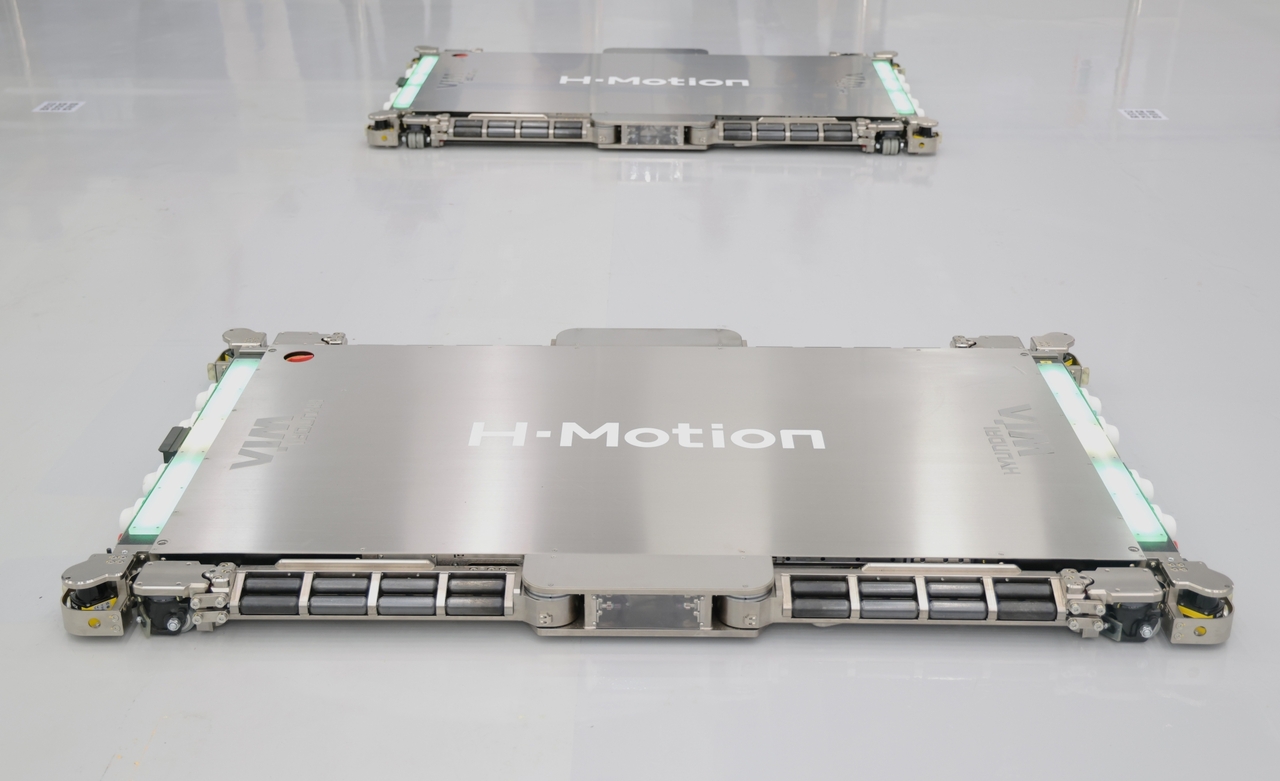
The Hyundai WIA parking robot operates as a set of two flat, wide units. The pair slides under a vehicle, uses LiDAR sensors to detect the position and size of each wheel, then lifts the front and rear axles to move the entire car. The system handles SUVs weighing up to 3.4 tons, and the robots' 110-millimeter profile allows them to fit beneath vehicles with low ground clearance. Top speed is 1.2 meters per second.
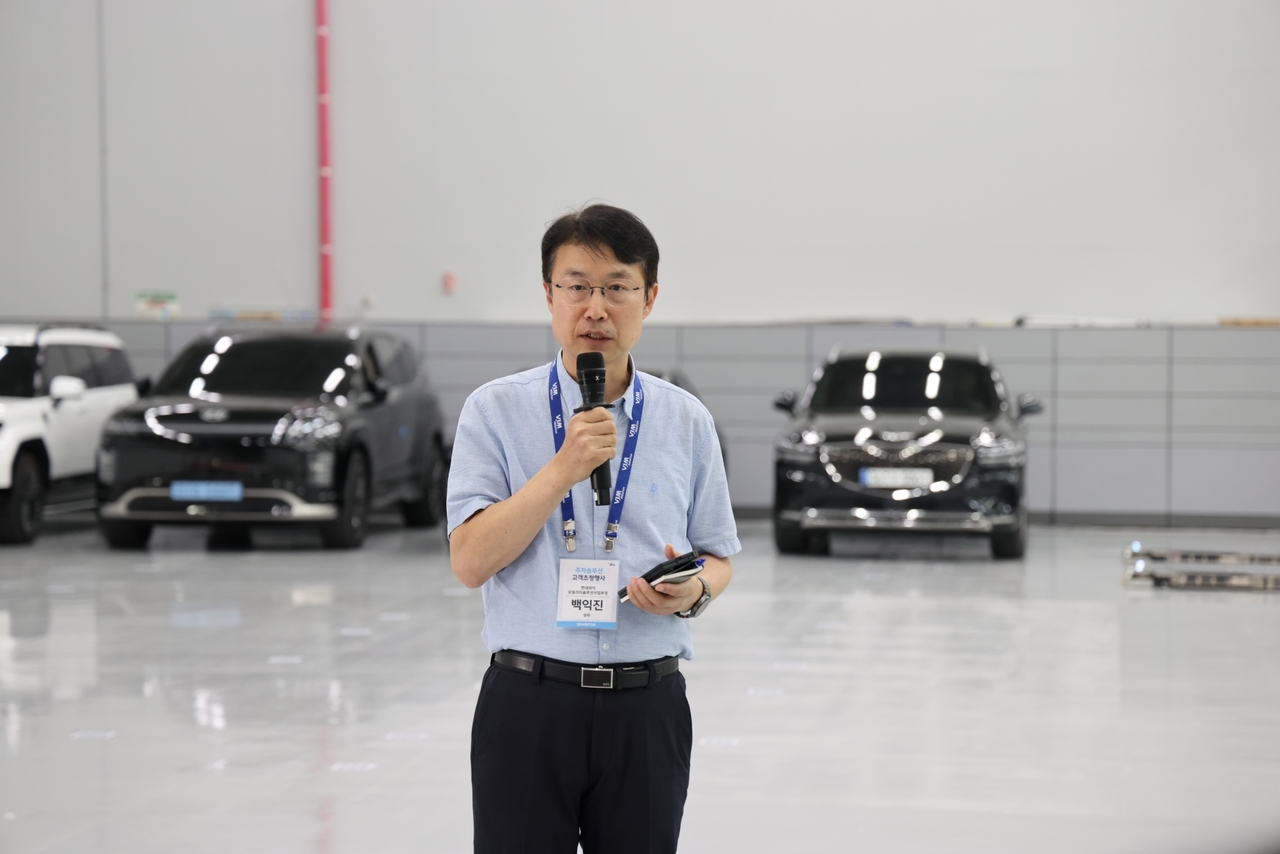
"The Genesis GV90, which Genesis is launching this year, is a large electric vehicle that tips the scales at over 3 tons," said Baek Ik-jin, executive vice president and head of Hyundai WIA's Mobility Solutions Division. "We raised the load capacity so the robots can handle most passenger vehicles produced domestically." However, he noted that sports cars with extremely low ground clearance remain beyond the system's current reach.
Hyundai WIA expects the robots to significantly increase parking capacity in apartment complexes now that a key regulatory barrier has been cleared. The Ministry of Land, Infrastructure and Transport amended the Parking Lot Act Enforcement Rules and the Housing Construction Standards Regulations in July, formally permitting parking robot installations in residential complexes.
The robots eliminate the need for drivers to open doors between parked cars. Because they move freely in all directions, the turning radius and aisle widths required for conventional driving can be reduced. Stacking vehicles two or three deep in the same space allows far more cars to fit in a given lot.
Hyundai WIA estimates the robots can increase parking capacity by between 20 and 50 percent compared with conventional self-parking garages, depending on layout and design. "A standard right-angle parking space in a conventional garage typically requires a 6-meter-wide lane," Baek said. "The robots operate differently, and the ability to move cars sideways is a major factor in boosting the number of spaces."
Control system cuts wait times, manages 50-plus robots simultaneously
Hyundai WIA highlighted its control system as a key competitive advantage. The Smart Parking Control System 2.0, developed from experience on manufacturing floors, can manage more than 50 parking robots simultaneously. The company is also developing a system capable of controlling more than 100 robot sets at once, targeting large-scale sites — enough to run a single-level parking lot with roughly 4,000 spaces.
The robots have already logged real-world experience at Hyundai Motor Group production sites. After their first deployment at Hyundai Motor Group Innovation Center Singapore in November 2023, the robots were rolled out to Hyundai Motor Manufacturing Alabama, HMGMA and a new plant at the Ulsan GP complex. HMGMA received the largest deployment, with 24 sets — 48 units in total.
The control system cuts retrieval times by repositioning vehicles during off-peak hours. For a resident who commutes at 9 a.m. every day, the system automatically moves their car closer to the exit during the quiet overnight hours. A smartphone app lets residents request repositioning in advance, further reducing wait times.
"Both assigned and autonomous parking are possible, but we are looking at a mode where the control system continuously monitors the overall parking situation and arranges vehicles in the most optimal configuration," Baek said. "It can even factor in usage habits — vehicles that are rarely moved get placed toward the back."
Hyundai WIA plans to begin real-world performance validation at an actual apartment complex in September. In a consortium with Hyundai Motor and Hyundai E&C, the company will run the country's first residential parking robot pilot at Hillstate The Wave City in Siheung, Gyeonggi Province, verifying operational stability, parking efficiency and resident convenience in a live residential setting.
Looking further ahead, the company plans to extend the robots' role beyond parking to include electric vehicle charging and car washing. Linked with an automatic EV charging robot developed by Hyundai Motor Group's Robotics Lab, the system would have a parking robot move an electric vehicle to a charging zone, where it would then be charged automatically.
Through these efforts, Hyundai WIA's Mobility Solutions Division aims to surpass 400 billion won ($283 million) in revenue from its factory automation and robotics business by 2028.
"Parking robots will change the very way spaces are designed," said Kwon Oh-sung, chief executive of Hyundai WIA. "We expect them to reduce excavation depth for underground parking garages and reshape apartment construction costs, while also driving change across a wide range of areas — from the number of EV charging stations needed, to vehicle dispatch at logistics centers, to the parking experience at airports."
eyre@heraldcorp.com