
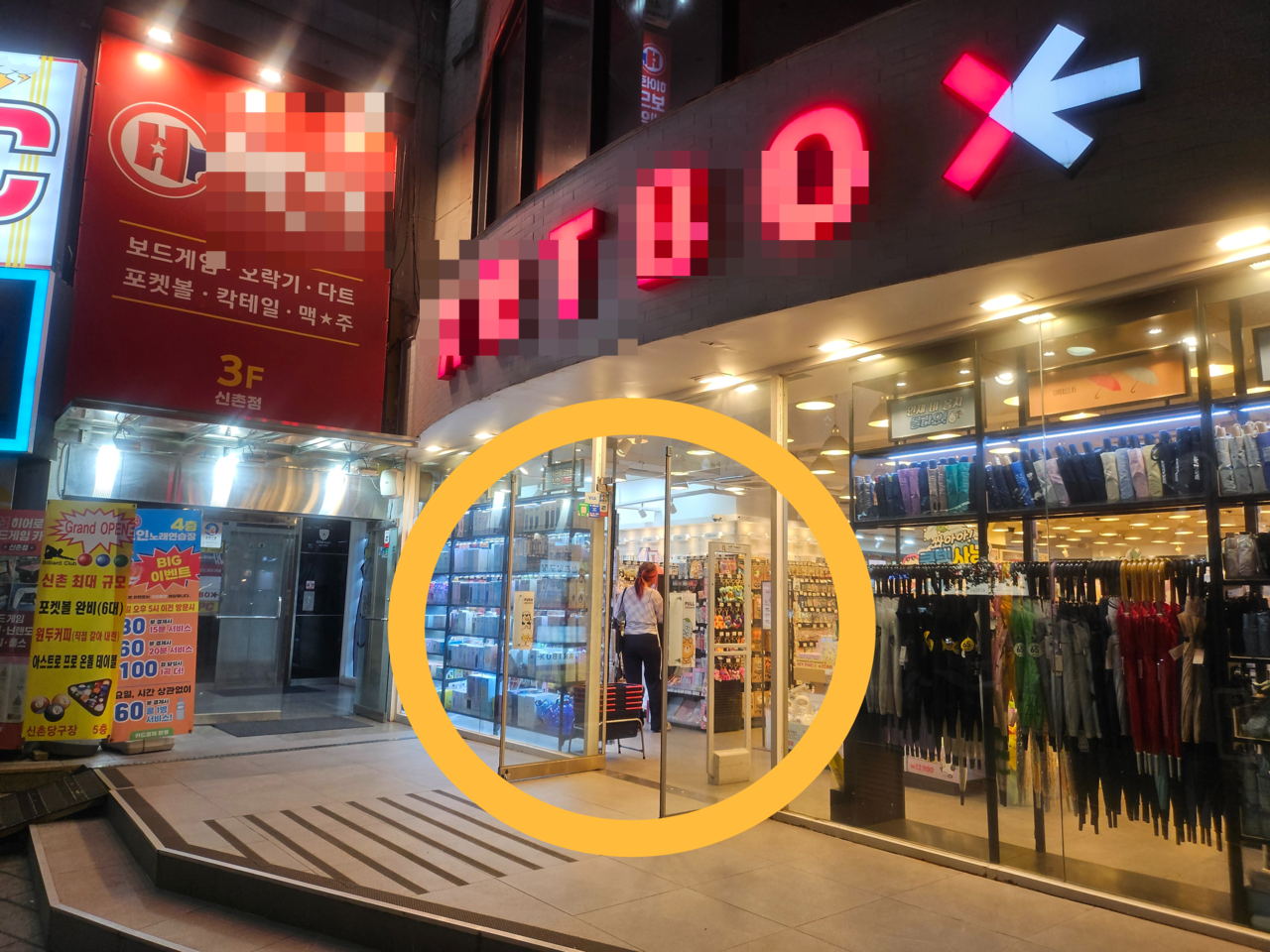
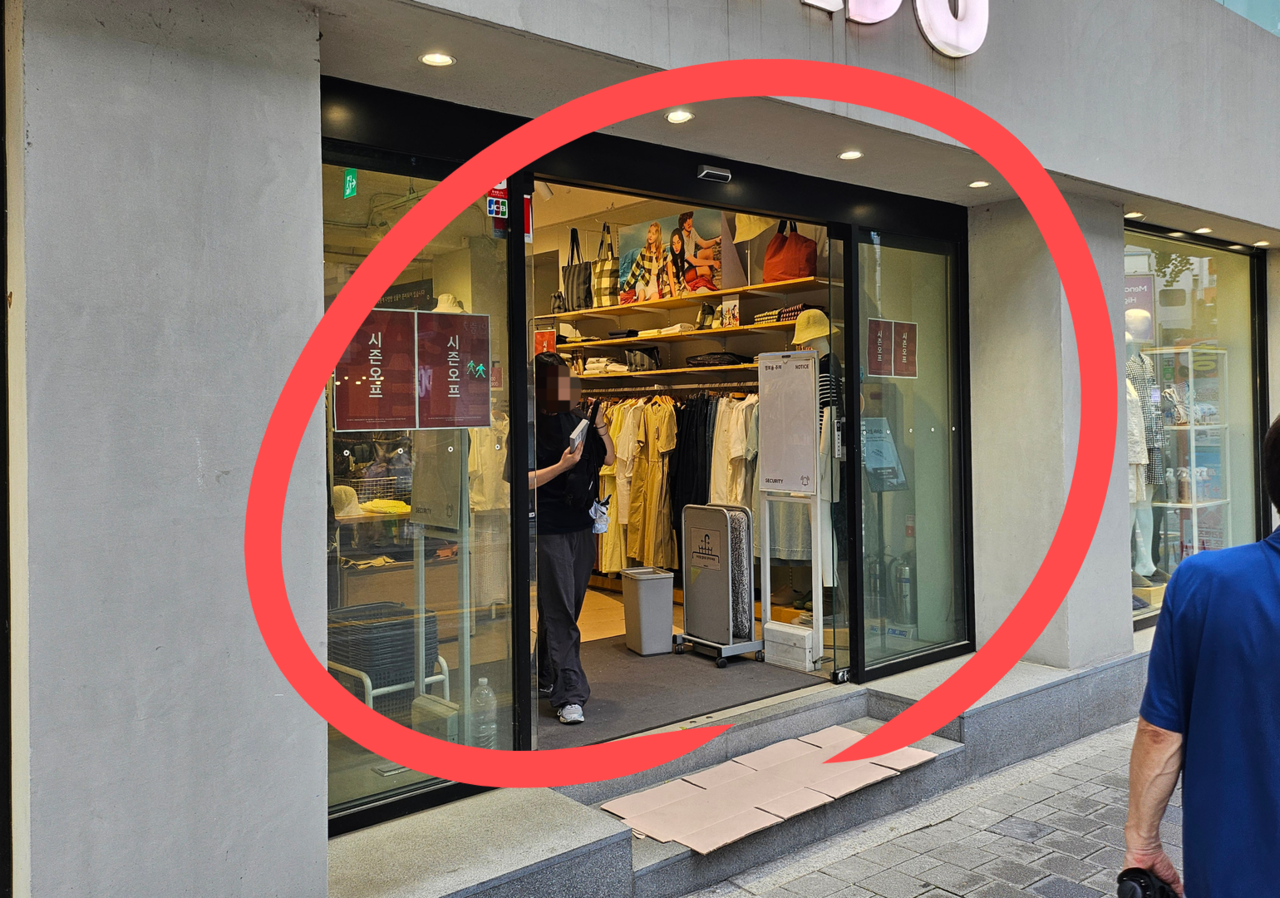
"It's harder to find a place that keeps its door closed."
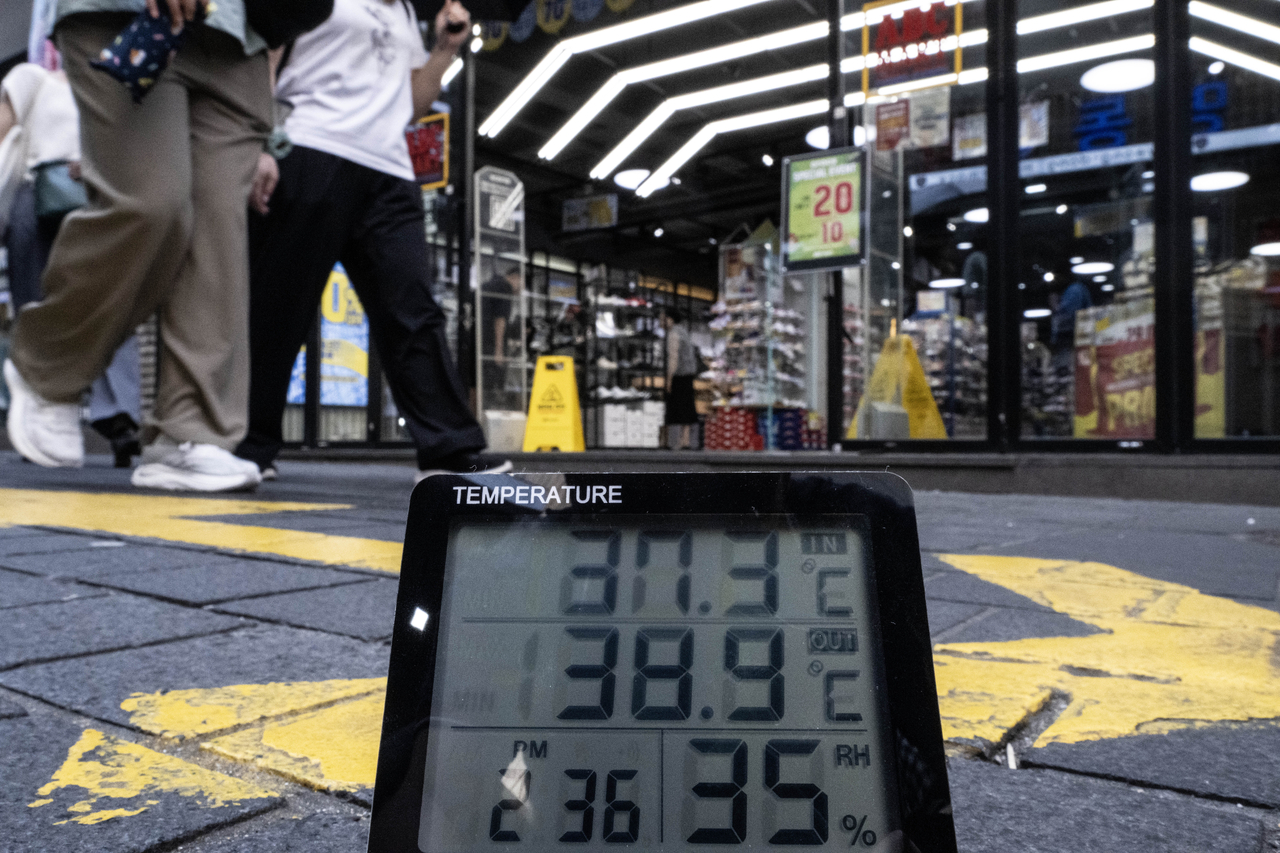
Despite the sweltering, humid weather, a cool breeze spills out of shop after shop along busy commercial streets. With most stores propping their doors wide open, passersby get a free blast of air conditioning just by walking down the sidewalk.
This summer has brought record-breaking heat and growing fears of a power shortage. Yet one of the most glaring examples of energy waste — and one that is technically illegal — shows no sign of going away: running air conditioners with the front door wide open.

The government has not been entirely idle. The Ministry of Climate, Environment and Energy designated an energy-saving awareness period and sent officials to major commercial districts across the country — including Myeong-dong in Seoul — to run street campaigns.
The campaigns involved handing out promotional materials and asking merchants and shoppers to voluntarily stop running air conditioners with doors open. The results, however, were negligible.
A survey conducted before and after the campaign found that the rate of open-door air conditioning in Myeong-dong remained almost unchanged.
Critics say one-off, show-piece campaigns are not enough, and that authorities need to enforce the rules — including imposing fines — to actually curb energy waste.
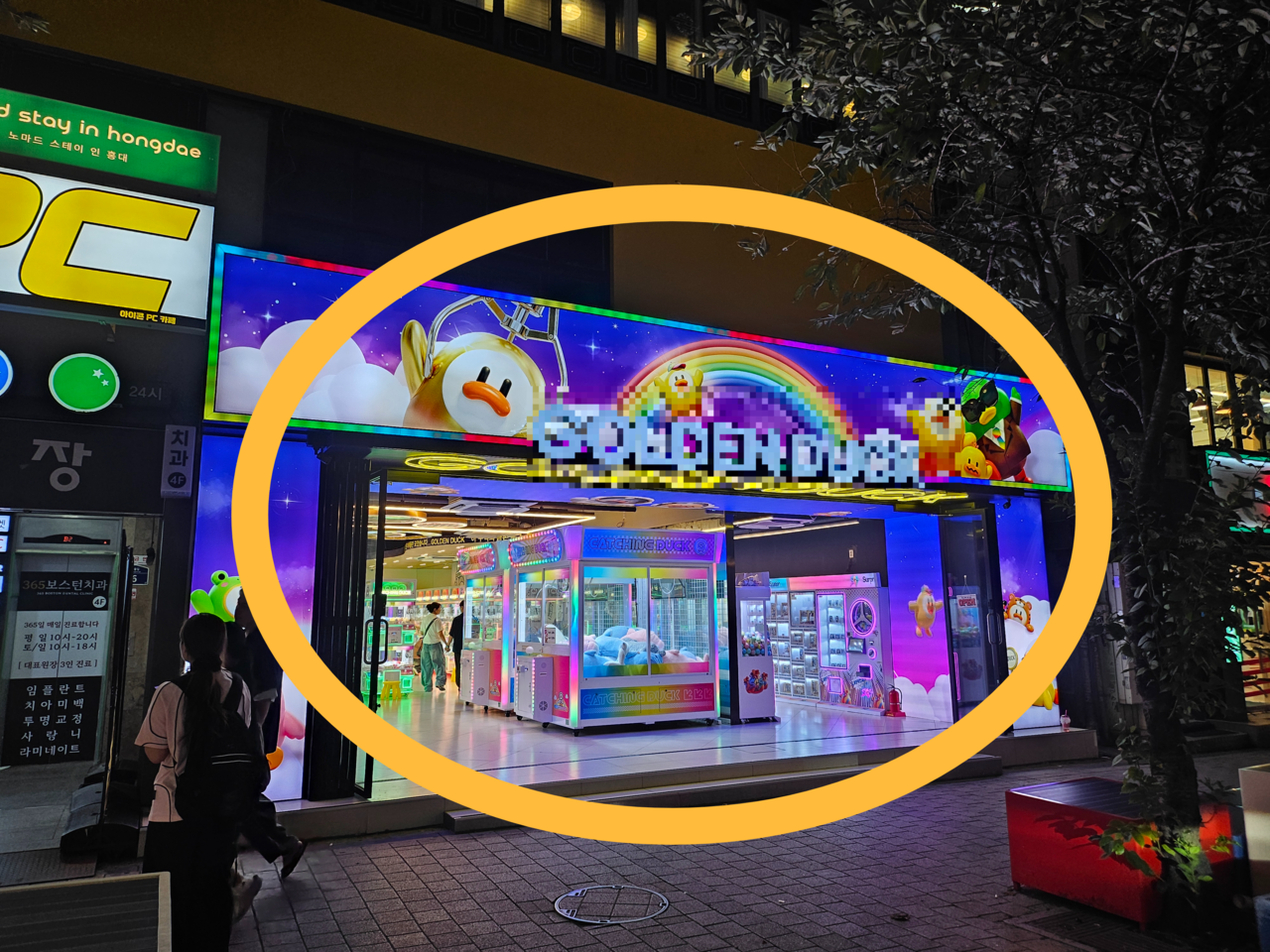
Running air conditioning with doors open is widely regarded as one of the most wasteful energy practices during summer, when electricity demand peaks. This year, with an especially intense heat wave forecast, the practice has drawn renewed criticism as its prevalence has continued to grow.
The Ministry of Climate, Environment and Energy designated the two-week period from Aug. 10 to Sunday as an "intensive energy-saving awareness period." Together with the Korea Energy Agency, officials visited 26 major commercial districts nationwide — including Myeong-dong and Hongdae in Seoul — to conduct street campaigns, distributing promotional items such as hand fans to merchants and the public and verbally urging compliance.

Despite the campaign, conditions on the ground barely changed. According to a survey by Green Korea United conducted in Myeong-dong — where the ministry's awareness activities took place — a first round of inspections on July 15 and 16 found that 143 of 210 stores, or 68.1 percent, were operating with their doors open while running air conditioning.
A second survey conducted after the government's energy-saving campaign found the open-door rate had fallen to just 65.7 percent — a drop of only 2.4 percentage points.
A store-by-store comparison told a similar story. Of the stores running open-door air conditioning during the first survey, only 13 had closed their doors by the second. Meanwhile, seven stores that had kept their doors shut switched to open-door operation. In effect, nothing had changed.
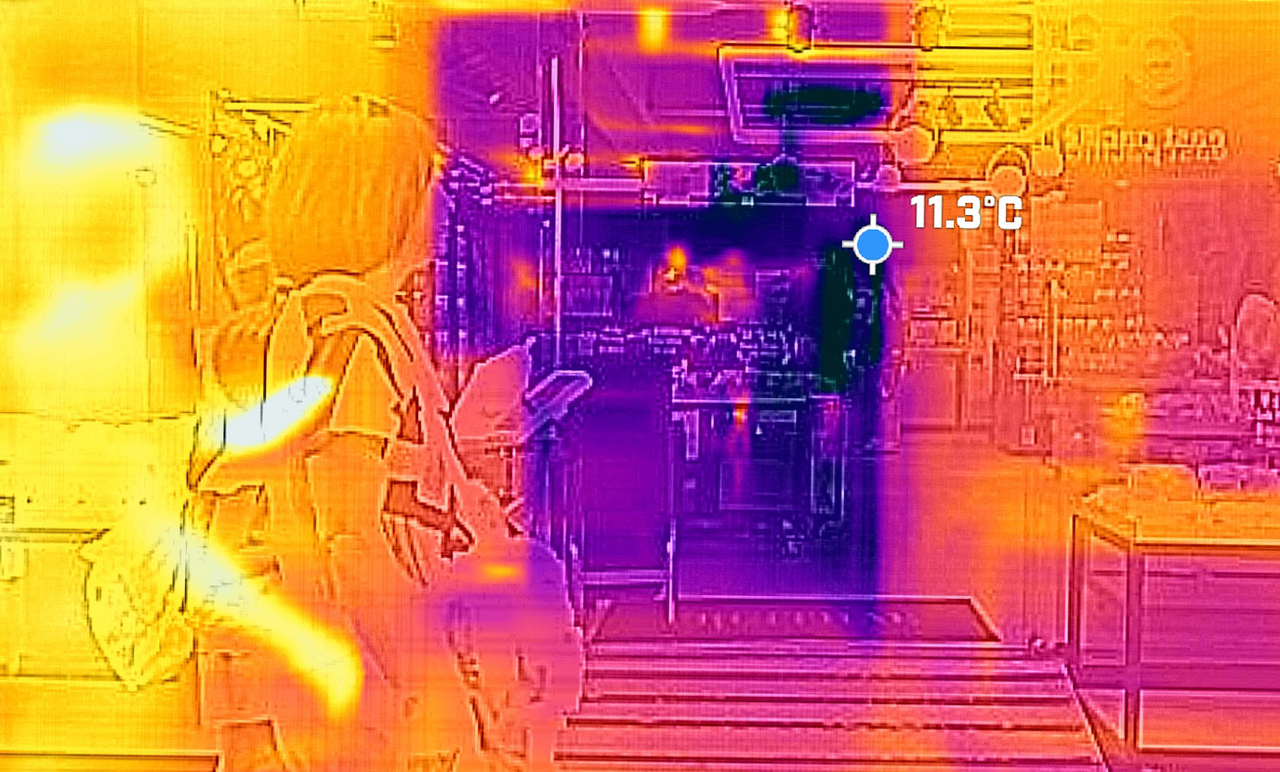
What makes this particularly striking is that the government already has the legal authority to do more than run awareness campaigns. Under the Act on the Rational Use of Energy, authorities can ban open-door air conditioning and impose fines on violators when a serious disruption to energy supply occurs or is deemed likely.
The practice is, in effect, illegal under current law. But enforcement has not followed. The system is designed so that administrative action is only possible once the government has issued a formal power supply emergency alert — and in practice, that enforcement mechanism has never been activated.
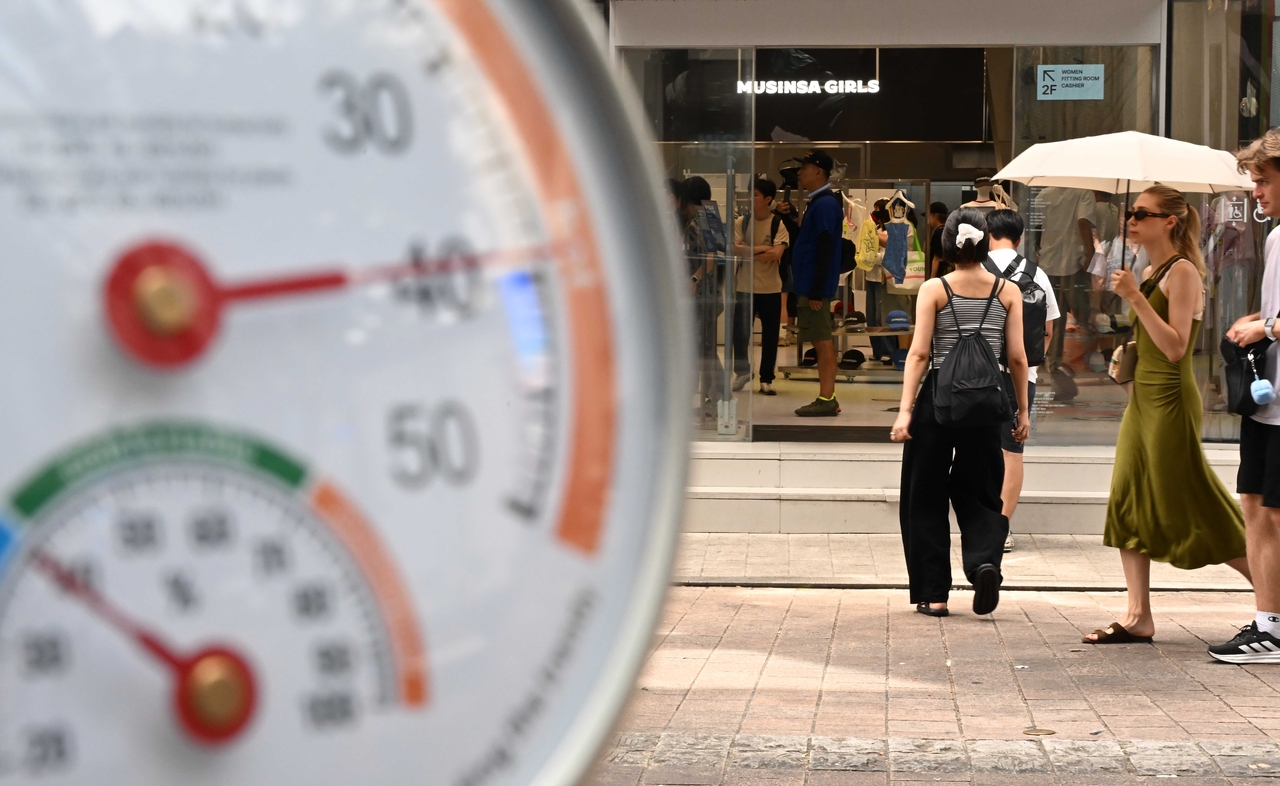
Since 2017, fines for open-door air conditioning have all but disappeared. Enforcement grew even laxer after the COVID-19 pandemic, when the need for indoor ventilation became a competing concern. More recently, both the central government and local authorities have shifted entirely toward voluntary compliance and awareness activities rather than crackdowns.
A store owner surnamed A, who runs a shop in Seodaemun-gu, Seoul, said she had no idea the practice could be subject to fines. "You need to keep the door open to get customers in, and all the other shops around here do it too — it's hard to be the only one who closes the door," she said.
Among merchants who run open-door air conditioning, reactions such as "I've never seen anyone get fined for it" and "Isn't it allowed now?" are common. As enforcement has faded, so has awareness that any regulation exists at all.
Observers also note that without meaningful penalties, individual merchants who believe open doors help their sales have little incentive to be the first to close up. If a neighboring store keeps its door open, closing yours alone puts you at a competitive disadvantage in attracting foot traffic — an argument that lends weight to calls for enforcement.
The energy cost of the practice is far from trivial. Simulations by the Korea Energy Agency found that running air conditioning with a door open consumes about 66 percent more cooling electricity and raises total electricity bills by around 33 percent compared with operating with the door closed.
Summer is already the season when electricity consumption spikes most sharply, and commercial air conditioning is a key variable in summer power demand. Commercial cooling accounts for roughly 10 percent of the country's total electricity consumption, even though it is concentrated in a short summer window.
Some countries have gone beyond enforcement to build systems that let citizens report open-door air conditioning directly. New York City bans businesses of any size from leaving exterior doors or windows open while running air conditioning, and residents can file complaints against violators themselves.
France introduced a similar regulation in 2022, restricting commercial and service buildings with heating or cooling systems from keeping their doors continuously open. Businesses that fail to comply after being ordered to do so can face administrative fines of up to 750 euros ($876).
"It has been confirmed that the government's one-off, show-piece campaigns alone cannot stop the energy waste that repeats every year in major commercial districts," said Kim Jeong-hyeon, an activist at Green Korea United. "To prevent the unnecessary energy waste that is accelerating the climate crisis, we must stop repeating ineffective campaigns and instead introduce policies that can actually prohibit open-door air conditioning."

woo@heraldcorp.com





