Opening new sites would waste money and administrative resources, mayor warns; Wonju has identified 65 target agencies, secured 110,000 square meters of space and enacted a support ordinance
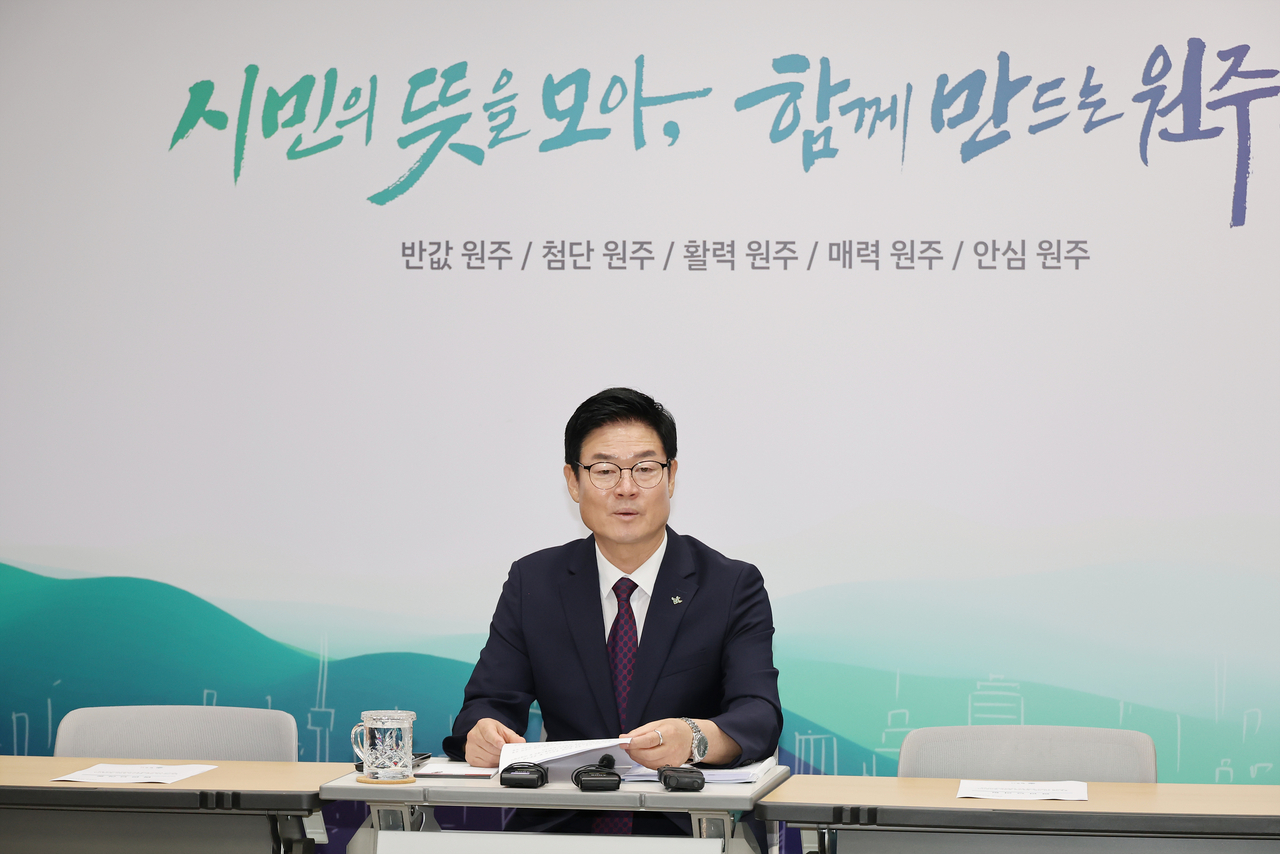
Wonju Mayor Ku Ja-yeol said Wednesday that the second round of public agency relocations should avoid pioneering entirely new sites, warning that doing so would squander administrative resources, and that Wonju's innovation city is already prepared to receive the incoming agencies.
Speaking at a policy briefing, Ku said balanced national development is "a generational task that can no longer be delayed for the future of South Korea," and framed the second relocation round in that context.
Some local governments have argued that the next wave of relocations should go to areas surrounding existing hubs — or to entirely new rural and fishing communities — rather than concentrating further in established centers such as Wonju, Naju or Dunsan.
The central government, however, has signaled a preference for "concentration and clustering," and the broader consensus has shifted toward placing agencies in cities where public-sector workers who moved from the Greater Seoul area have already spent roughly a decade settling in and adapting.
Developing brand-new relocation sites would not only waste money and administrative capacity, officials say, but would very likely repeat the decade of trial and error that employees of the 12 agencies already relocated to Wonju — including the Korea Tourism Organization and the National Health Insurance Service — endured over the past 10 years.
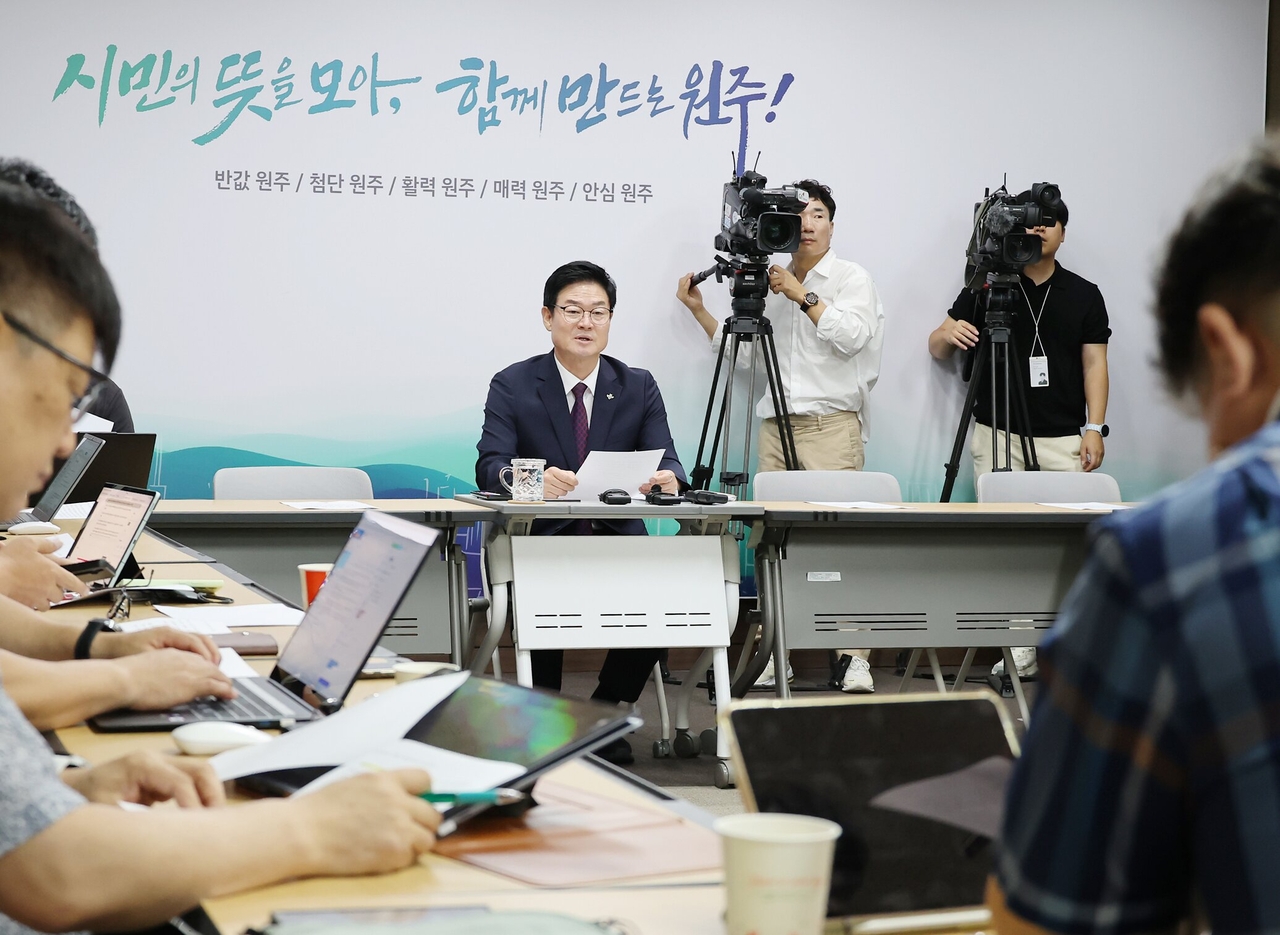
Wonju has been preparing its relocation strategy since 2019. The city launched a research project that year on attracting agencies in the second round, formed a dedicated task force in 2023, and last year completed a fresh analysis of public institutions that could link up with local industries to sharpen its recruitment approach.
From that work, the city identified 37 priority target agencies in the fields of health and life sciences, research and technology, resources and industry, and tourism, culture and sports. Adding 28 agencies of secondary interest brings the total pipeline to 65 institutions.
Wonju has held more than 35 meetings with Greater Seoul-based public agencies to explain the advantages of the Wonju Innovation City site and the support available to each institution. Outreach has continued this year, including visits to two public health and medical agencies in July.
The city is also deepening ties with the 12 agencies that have already relocated. Their employees have been joining local festivals as community members, demonstrating a spirit of coexistence with longtime residents.
According to the city, a survey of vacant space inside the innovation city that began in 2023 has identified approximately 110,000 square meters of usable floor space across more than 50 buildings as of this month, ensuring that newly relocated agencies can get up and running quickly once a decision is made.
Wonju has also enacted a municipal ordinance on attracting and supporting public institutions, which provides for housing loan interest subsidies, relocation settlement bonuses and school enrollment scholarships for the children of incoming employees.
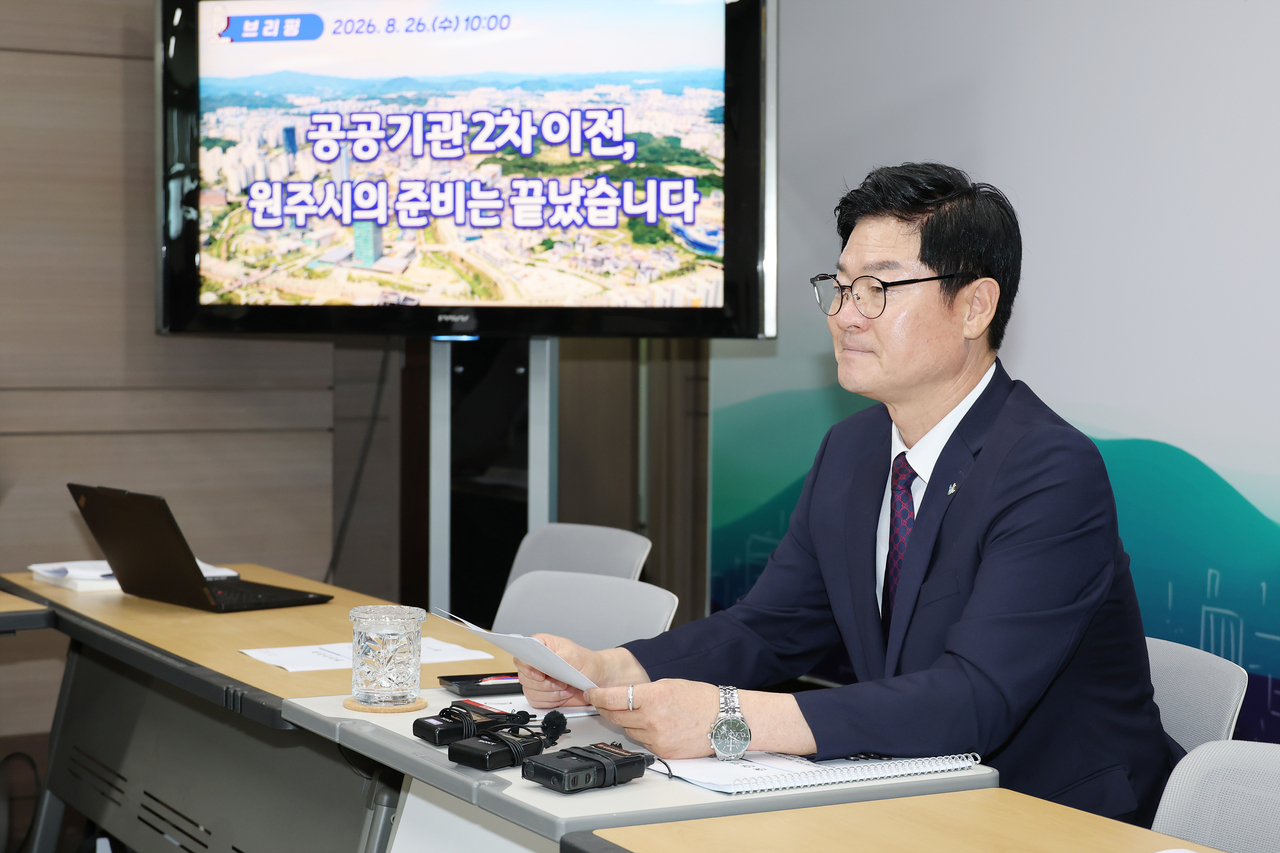
"The relevant special act stipulates that public agencies must relocate to innovation cities as a matter of principle," Ku said. "The Ministry of Land, Infrastructure and Transport has cited 'concentration and clustering' as a core objective of the second relocation round." He called on the government to make priority placement in existing innovation cities an explicit policy, saying it would prevent unnecessary competition among regions and eliminate wasteful use of administrative resources.
Ku added that he intends to use the second relocation round to complete the Gangwon-Wonju Innovation City and ensure its benefits spread across all of Gangwon Province.
abc@heraldcorp.com