
Medical Innovation Committee recommends 10 reforms to reshape local health and primary care for super-aged society
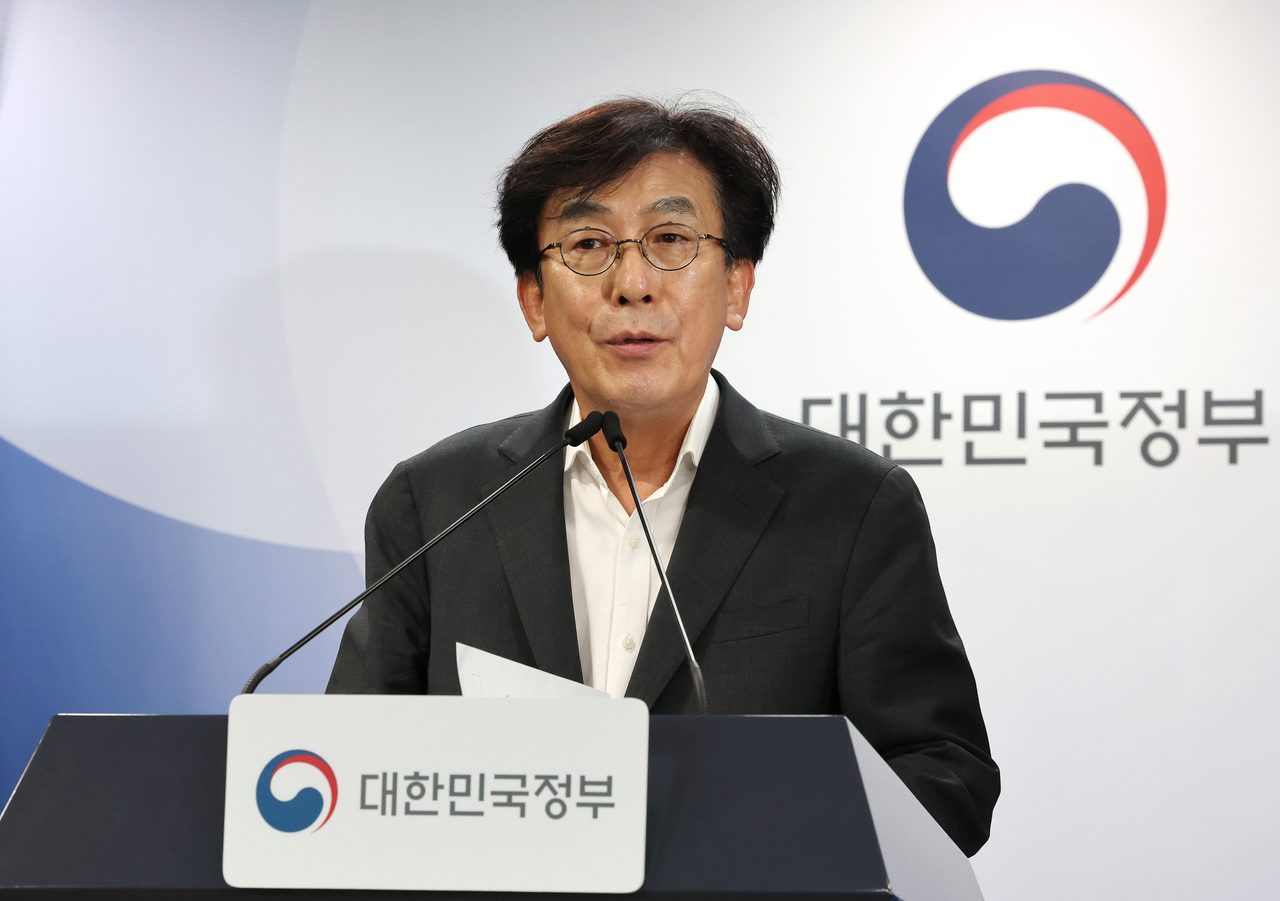
A plan has been put forward to restructure the local public health system so that municipal and county health centers focus on overseeing and coordinating regional health policy, while community health promotion centers take on direct support for residents' disease prevention and wellness.
Under the proposal, the responsibilities of central and local governments would also be clearly defined to ensure that all residents, regardless of where they live, can access basic primary care.
The Medical Innovation Committee — an advisory body under the prime minister — held its ninth meeting Thursday at the Coreana Hotel in Seoul, where it deliberated on 10 recommendations to the government built around four strategic pillars: strengthening the local public health system, establishing the role of primary care, and expanding community-based functions.
The committee said it developed the 10 recommendations on the grounds that proactively addressing the super-aged society requires moving away from the current treatment-centered model toward a community-based health system in which disease prevention and health management take place close to where people live.
The committee said the local public health system should be restructured around the health of the community's population as a whole.
Rather than selectively targeting specific patient groups, socioeconomically vulnerable populations or the elderly, the overhaul aims to improve the health of all residents in a given area.
"The goal is to understand the health and medical characteristics of each region and improve residents' health accordingly," an official from the ministry's medical innovation task force said.
The committee also recommended reorganizing the functions and structure of local public health institutions.
Under the proposal, municipal and county health centers would concentrate on strategic planning and overall coordination of local health policy, while community health promotion centers and sub-district health posts would directly deliver disease prevention, health promotion and care services.
The plan also calls for transforming the "regional health and medical deliberation committees" established under local governments pursuant to the Community Health Act — currently limited to policy review — into "regional health and medical committees" with clear accountability and implementation authority. A resident participation and communication subcommittee would be established under each to encourage public involvement.
The committee recommended that the central and local governments clarify their responsibilities for ensuring basic primary care access for residents in medically underserved areas such as rural and fishing communities, and that they draw on a range of supply models suited to local conditions — including strengthening sub-district health posts and primary care clinics, expanding support for private primary care providers, and deploying mobile and circuit medical services.
Particularly for physician staffing in underserved areas, the committee called for linking supply to the placement of regional doctors subject to mandatory service obligations, and for reviewing new workforce models that make use of a broader range of primary care personnel.
On integrated care, which was institutionalized in March, the committee recommended strengthening primary care providers' participation so that health, medical and care services are seamlessly connected, and establishing a support system to ensure that complex community patients — such as those on multiple medications — receive quality management in primary care settings.
The committee also recommended shifting the fiscal framework for local public health away from project-by-project national treasury reporting toward allocating resources based on community health needs, and improving the compensation and evaluation system to encourage collaboration between local public health institutions and primary care providers.
In addition, the committee proposed that the government build an integrated information system to standardize and link data on local health, medical service use and integrated care, and establish a sustainable foundation for training local public health and primary care personnel.
"In a super-aged society, the health system must be transformed so that residents can have their health monitored close to home and receive the medical care and support they need on a continuous basis," committee chairman Jung Ki-hyun said. "I hope these recommendations serve as a starting point for local public health and primary care to move beyond their separate domains and take shared responsibility for the health of community residents."
thlee@heraldcorp.com





