Osang Healthcare to see 59% of shares unlocked; J2kbio 56%, Bitplanet 50%
K bank also set to release 81.78 million shares
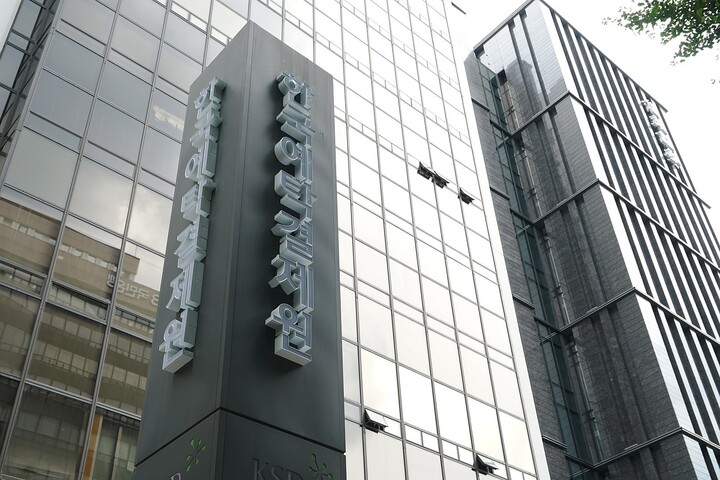
The Korea Securities Depository announced Monday that 229.48 million shares held by 38 listed companies will be released from mandatory lock-up requirements in September. The releases cover five KOSPI-listed firms with 119.49 million shares and 33 Kosdaq-listed firms with 109.99 million shares.
The mandatory lock-up registration system requires major shareholders and other designated holders to register their shares with the Korea Securities Depository for a set period, during which they cannot sell them, in order to protect ordinary investors. Once the lock-up period expires and the registration is lifted, those shares become freely tradable on the market.
Several Kosdaq-listed stocks will see lock-up releases exceeding 50 percent of their total issued shares. Osang Healthcare will have 8.49 million shares unlocked on Sept. 13, representing 59 percent of its total issued shares. J2kbio is set to release 3.3 million shares (56 percent) on Sept. 25, while Bitplanet will see 11.77 million shares (50 percent) freed on Sept. 24. Ivisionworks will also have 10.62 million shares (31 percent) released on Thursday.
On the KOSPI, K bank will record the largest single release, with 81.78 million shares unlocked on Saturday — equivalent to about 20 percent of its total issued shares. SK Innovation will also see 18.02 million shares (11 percent) released the same day. KR Motors will have 5.25 million shares (30 percent) unlocked on Sept. 9.
While a lock-up release does not automatically translate into selling, stocks with large release volumes relative to total issued shares face increased potential supply pressure, which can weigh on market dynamics. Share price volatility may also rise around the time of the release. However, investors should not assess the impact on share prices based solely on the size of the release — they should also consider who the key holders are, such as major shareholders or financial investors, along with recent trading volumes and price trends for the shares in question.
The figures cover only shares registered under the mandatory lock-up system with the Korea Securities Depository. Voluntary lock-up commitments made by institutional investors during the listing process — pledges not to sell shares for a set period — are not included in this tally.
kacew@heraldcorp.com