
EAF steel mill to produce 2.7 million tons of auto sheet annually
Euisun Chung: facility will support next-gen mobility, AI infrastructure
Proximity to Hyundai, Kia plants cuts trade risk
Low-carbon technology to propel global brand ambitions
Hyundai Steel has broken ground on its first US production facility, marking the start of a major push into American steelmaking. The Hyundai Steel-Posco Louisiana Steel joint venture, known as HPLS, is set to serve as a key production hub for Hyundai Motor Group's global competitiveness while spearheading the shift to a low-carbon manufacturing model. Hyundai Steel says the project will deepen its contribution to the US mobility industry and advance its ambitions as a global brand.
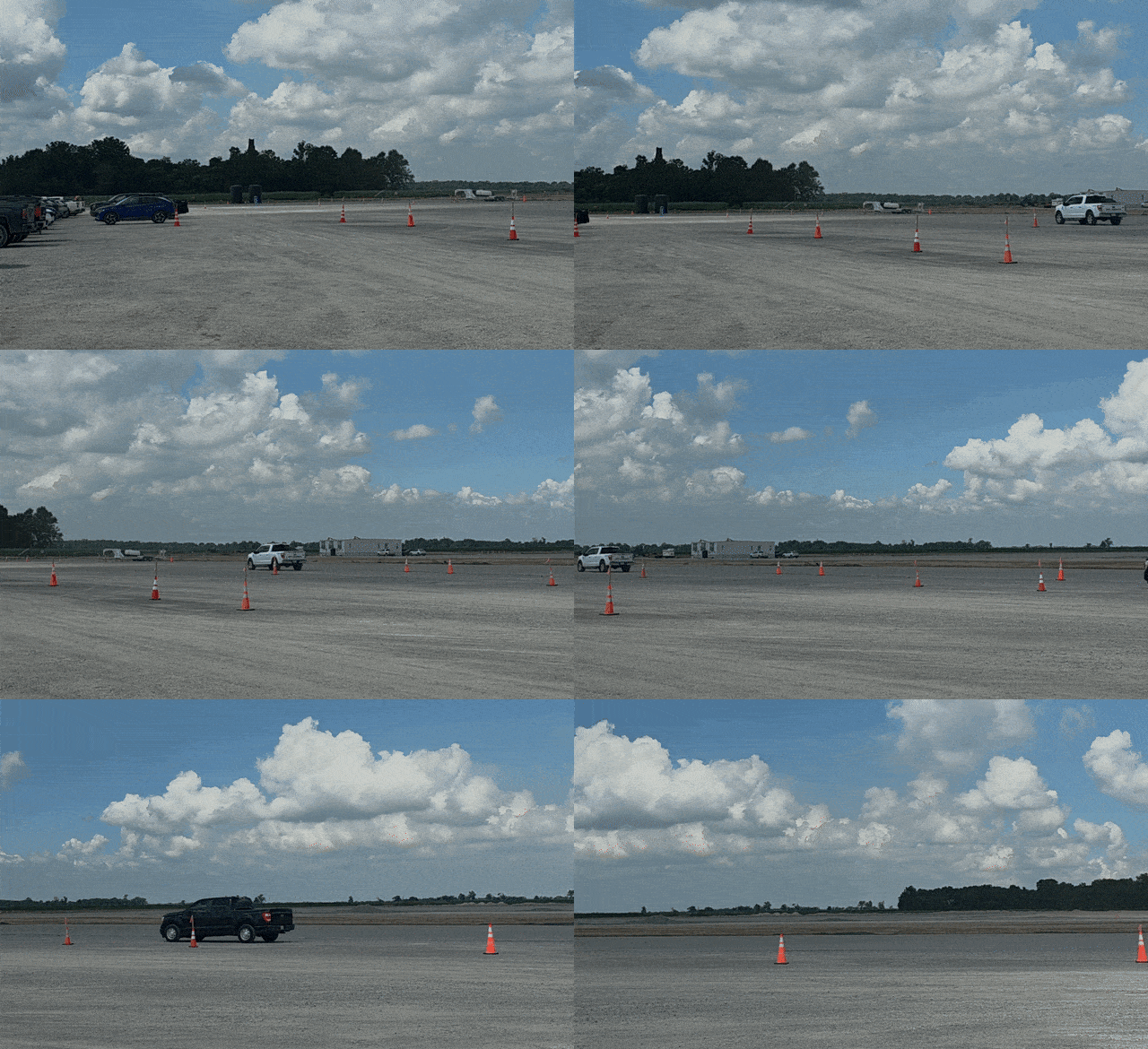
The groundbreaking ceremony for HPLS was held Friday (local time) in Donaldsonville, Louisiana. The project carries a total investment of $5.8 billion and will be the first electric arc furnace-based steel mill in the United States dedicated exclusively to automotive sheet. Construction is set to begin in the fourth quarter of this year, with the facility expected to produce 2.7 million tons of hot-rolled, cold-rolled and coated steel sheet annually starting in the first quarter of 2029.
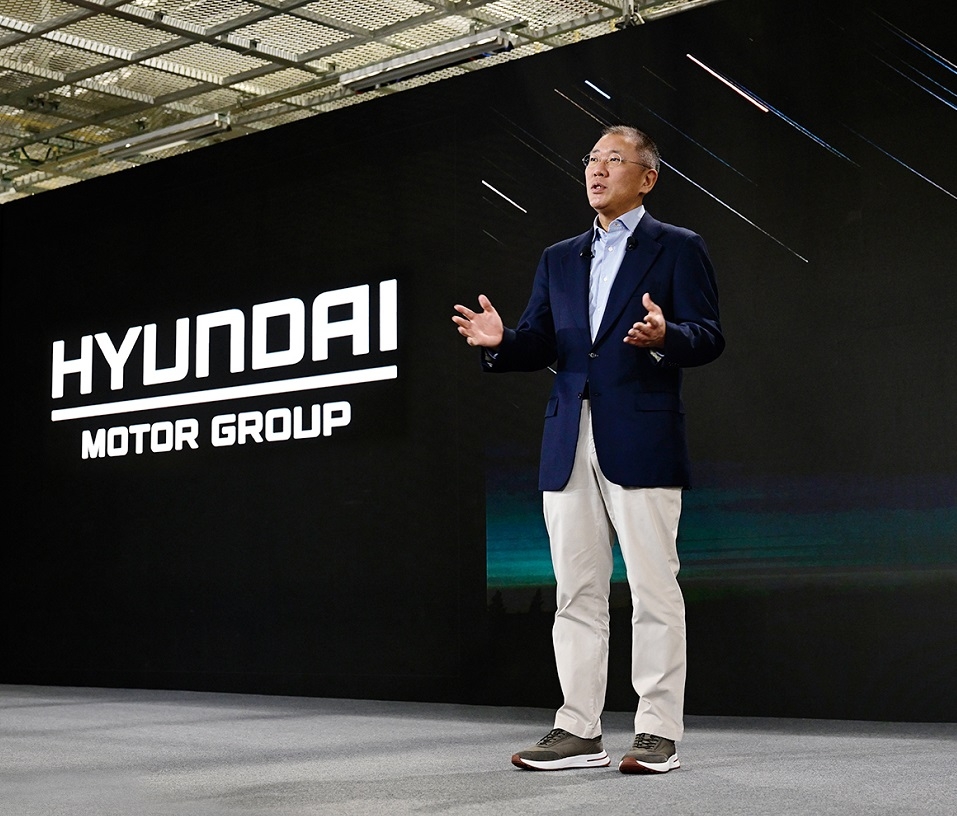
Hyundai Motor Group Executive Chairman Euisun Chung said in a welcoming address that steel produced at the facility would play a major role in helping Hyundai Motor Group and American automakers manufacture next-generation vehicles. "It will also help build the foundation for key industries — from AI data centers to the power sector — and create safer workplaces," he said.
Chung added that HPLS represents "the starting point for the steel industry's journey toward a more resource-circular and sustainable future," saying the project is proving in Louisiana that innovation and sustainability can coexist.
Strong US demand and prices drive local production bet
Chung first announced plans to build HPLS at the White House in March last year, alongside a broader US investment pledge. Hyundai Steel followed up by establishing a dedicated North America Steel Business Division in May last year and incorporating a Louisiana subsidiary in June, before proceeding with equipment contracts and equity contributions in sequence.
Hyundai Steel's decision to plant its overseas production flag in the United States reflects the market's robust profitability and strong demand. The US was the world's third-largest steel producer last year, yet supply has consistently fallen short of demand, with the country importing more than 20 million tons of steel annually. High-value flat products such as hot-rolled sheet and cold-rolled coated sheet account for more than 10 million tons of those imports each year — roughly half the total import volume.
The US is also the world's second-largest auto-producing nation after China. About 10.24 million vehicles were manufactured there last year, and that figure is expected to grow as the US government pursues a domestic-production-first policy.
Steel prices in the US are equally attractive. Hot-rolled coil prices in the domestic US market recently stood at around $1,200 per ton, more than 30 percent above Asian and European levels, according to the steel industry. Natural gas and electricity costs in the US are also lower than in South Korea, giving HPLS an additional cost advantage through reduced logistics expenses.
As protectionism tightens around the world, HPLS is also expected to significantly reduce Hyundai Motor Group's trade risk. The US government imposed a 25 percent tariff on foreign steel products under Section 232 of the Trade Expansion Act in March last year to protect its domestic steel industry, then raised the rate to 50 percent in May of the same year. South Korea's steel exports to the US fell to 2.54 million tons last year as a result of those trade barriers, an 8 percent decline from the previous year.
Rail links, Mississippi River access and nearby auto plants make Donaldsonville an ideal site

When HPLS begins full operations in 2029, Louisiana is expected to emerge as a major steel belt in the US South alongside Arkansas and Alabama, while linking up with nearby large-scale natural gas complexes, hydrogen production hubs and carbon capture and storage facilities to form a core manufacturing cluster.
Donaldsonville sits along major rail corridors operated by large US freight carriers, making it a key inland logistics hub. Its location on the Mississippi River also allows for the construction of a port capable of berthing Panamax-class vessels of around 70,000 tons, giving the site excellent maritime access. For the steel industry, where the movement of raw materials and finished products is critical, the location offers near-ideal logistical conditions.
The site is also within roughly an hour's drive of Baton Rouge, Louisiana's state capital with a population of 830,000, and New Orleans, home to 960,000 people, providing a strong labor pool for steel mill operations.
The facility will be well-positioned to supply customers across the region. Hyundai Motor's Alabama plant, Kia's Georgia plant and Hyundai Motor Group Metaplant America are all within reach, as are plants operated by GM in Texas, Volkswagen in Tennessee and Honda in Alabama — proximity that will help cut logistics costs and build a stable supply chain.
Carbon emissions 70% below blast furnace levels — a launchpad for hydrogen steelmaking and global growth

HPLS will serve as a launchpad for Hyundai Steel's transition to low-carbon production. The facility's direct reduction plant will use iron ore and natural gas to produce direct reduced iron, cutting carbon emissions by roughly 70 percent compared with conventional blast furnace ironmaking. The company plans to eventually replace natural gas with hydrogen, positioning HPLS as a pioneer in hydrogen-based steelmaking. Once the production system is operating stably, Hyundai Steel intends to apply the same model at its domestic facilities.
By producing and supplying high-quality automotive steel sheet directly in the US, the company also aims to boost its global brand value and drive growth in local sales. Building an electric arc furnace steel mill capable of producing automotive sheet and other high-value flat products in a market where global customers already operate local plants will allow Hyundai Steel to respond quickly to a wide range of demands from customers at home and abroad.
Hyundai Steel believes a stable US business foothold and stronger brand recognition there will also open doors to new overseas customers for products made in South Korea. The company expects to leverage the brand profile built through serving US customers to attract new clients in advanced markets such as Europe, while expanding exports of high-value products from its Dangjin steel mill and Suncheon plant to offset sluggish domestic steel demand and improve the trade balance.
"This project is not simply the construction of a steel mill — it will be the starting point for the future steel industry and the hydrogen ecosystem," a Hyundai Steel official said.
eyre@heraldcorp.com





