Follow-up steps taken ahead of Oct. 2 revised criminal law
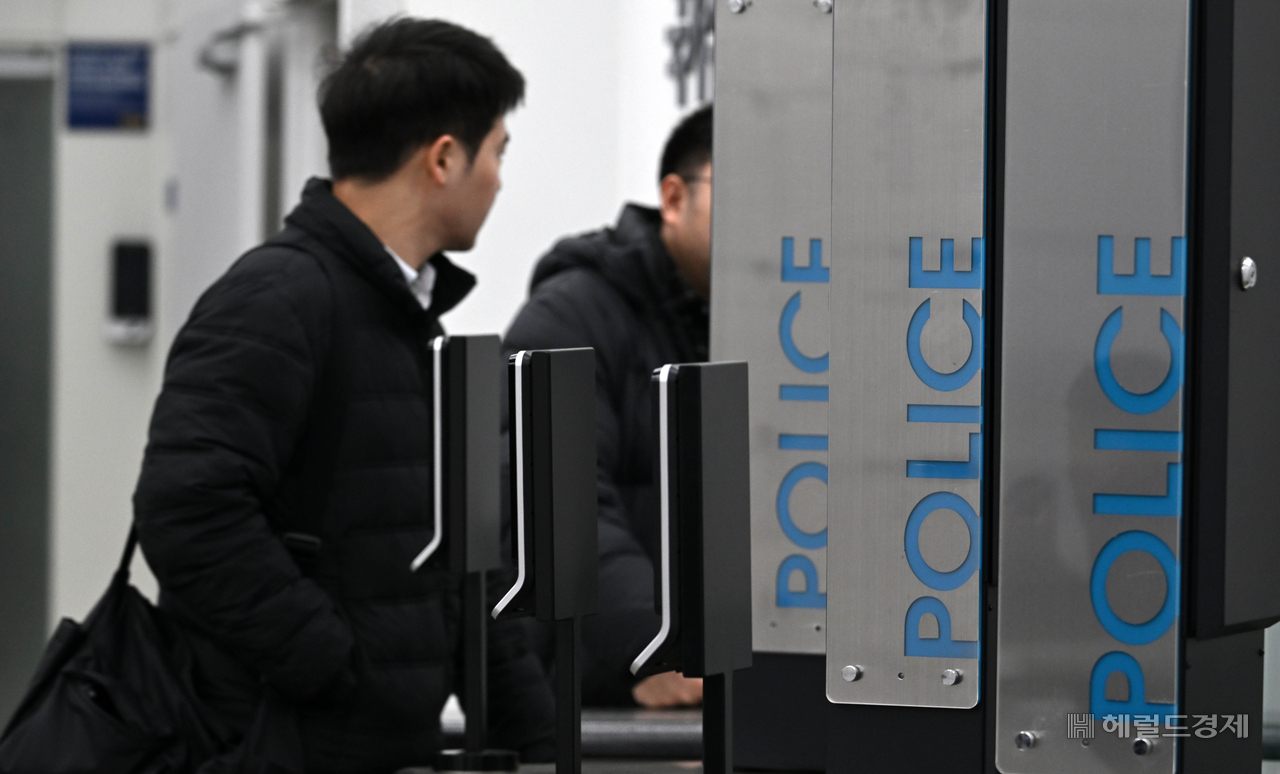
Police have begun revising the Police Investigation Rules and taking other follow-up steps to prepare for a new Criminal Procedure Act that will strip prosecutors of virtually all investigative authority. When the prosecutors' offices are abolished on Oct. 2, police will take over most investigations.
The Korean National Police Agency said Thursday it had updated the Police Investigation Rules to incorporate new provisions from the revised Criminal Procedure Act. The changes include shortening the deadline for completing supplementary investigations requested by prosecutors, and requiring police to send investigation records to prosecutors for review before notifying them of the outcome.
The revised law bars prosecutors from directly carrying out supplementary investigations themselves. It also shortens the period police have to comply with a prosecutor's request for supplementary investigation from three months to one month. If police need more time, they can request an extension of up to one month by submitting a written justification to prosecutors. Once police complete a supplementary investigation, they must send the results along with the related case file to prosecutors.
Kim Jong-cheol, acting commissioner general of the Korean National Police Agency, visited Dongdaemun Police Station in Seoul that day and said, "The role and responsibility of frontline investigators have become more important under the new criminal justice system," adding, "We will do our best to ensure that police investigations the public can trust and feel secure about take root."
Stricter duty to comply with supplementary investigations: 'Oversight has tightened'
Jurisdictional disputes loom with new agency's 'priority' over major crimes
Police said the revised Criminal Procedure Act has tightened oversight of police investigations by imposing stricter obligations on how police comply with supplementary investigation requests.
"The three main control mechanisms over police — requests for supplementary investigation, requests for reinvestigation and requests for corrective measures — are all being strengthened," a police official said. "There have already been various channels to raise issues with police investigations, but under the revised law, the binding force behind these requests has been strengthened."
Prosecutors can request supplementary investigations for cases police refer to them, and reinvestigations for cases police decide not to refer. Police explained that this allows prosecutors to review the entirety of how police handle cases. Prosecutors can also request corrective measures if human rights violations are suspected during a police investigation.
"Even when police decide not to refer a case, prosecutors can review all the case records and request a reinvestigation," the police official said. "There is no room for police to reach arbitrary conclusions during an investigation."
Police predicted that the overall scale of investigations they handle will not change significantly, even with the abolition of prosecutors' direct investigative authority.
"There is some vague anxiety about the overhaul of the criminal justice system, but the overall volume of police investigations will not change much," a police official said, adding that "police have already handled most investigations since prosecutorial and police investigative powers were readjusted in 2021."
However, police said they are holding working-level discussions with prosecutors about concerns that shortening the deadline for supplementary investigations to one month could increase the burden on frontline investigators.
"This does not mean every supplementary investigation must be completed within one month, but rather that police should carry them out as quickly as possible so case processing is not delayed," a police official said. "We are continuing discussions with the Supreme Prosecutors' Office to prevent unnecessary back-and-forth over cases while negotiating extensions."
Police also see defining their relationship with the National Serious Crimes Investigation Agency as a key task for stabilizing the new criminal justice system. The new agency will be established alongside the abolition of the prosecutors' offices. It will investigate serious crimes such as corruption, economic crimes, defense-industry crimes, drug offenses, cybercrimes, insurrection and foreign exchange violations, areas that overlap with the scope of police investigations. Police must notify the agency within three days of recognizing a crime that falls under its jurisdiction.
"The number of cases police will need to report to the agency is estimated to reach around 80,000 a year," a police official said. "The fact that the duty to notify arises the moment police recognize a crime under the agency's jurisdiction is a burden for police."
Police are also concerned that the agency can unilaterally demand the transfer of a case police were investigating if it falls within the agency's jurisdiction. This could effectively create a hierarchical relationship between the two investigative bodies. However, if disagreements arise over case jurisdiction between police and the agency, an investigative jurisdiction council can resolve them.
"The structure gives the agency priority over investigations into serious crimes, allowing it to select and take cases as it sees fit," a police official said. "This, too, can be seen as a point where police are subject to checks by the agency."
arin@heraldcorp.com