'Seoul festivals should be judged on identity and sustainability, not scale'
Lawmaker calls for consolidating overlapping events, tying performance reviews to next year's budgets, strengthening the creative base behind K-content, spreading tourism beyond top hotspots, and expanding life-stage sports programs

"It is hard to measure the success of a project simply by counting how many events were held or how many people attended. After an event ends, we need to ask what lasting value it left for the neighborhood, for residents, and for artists."
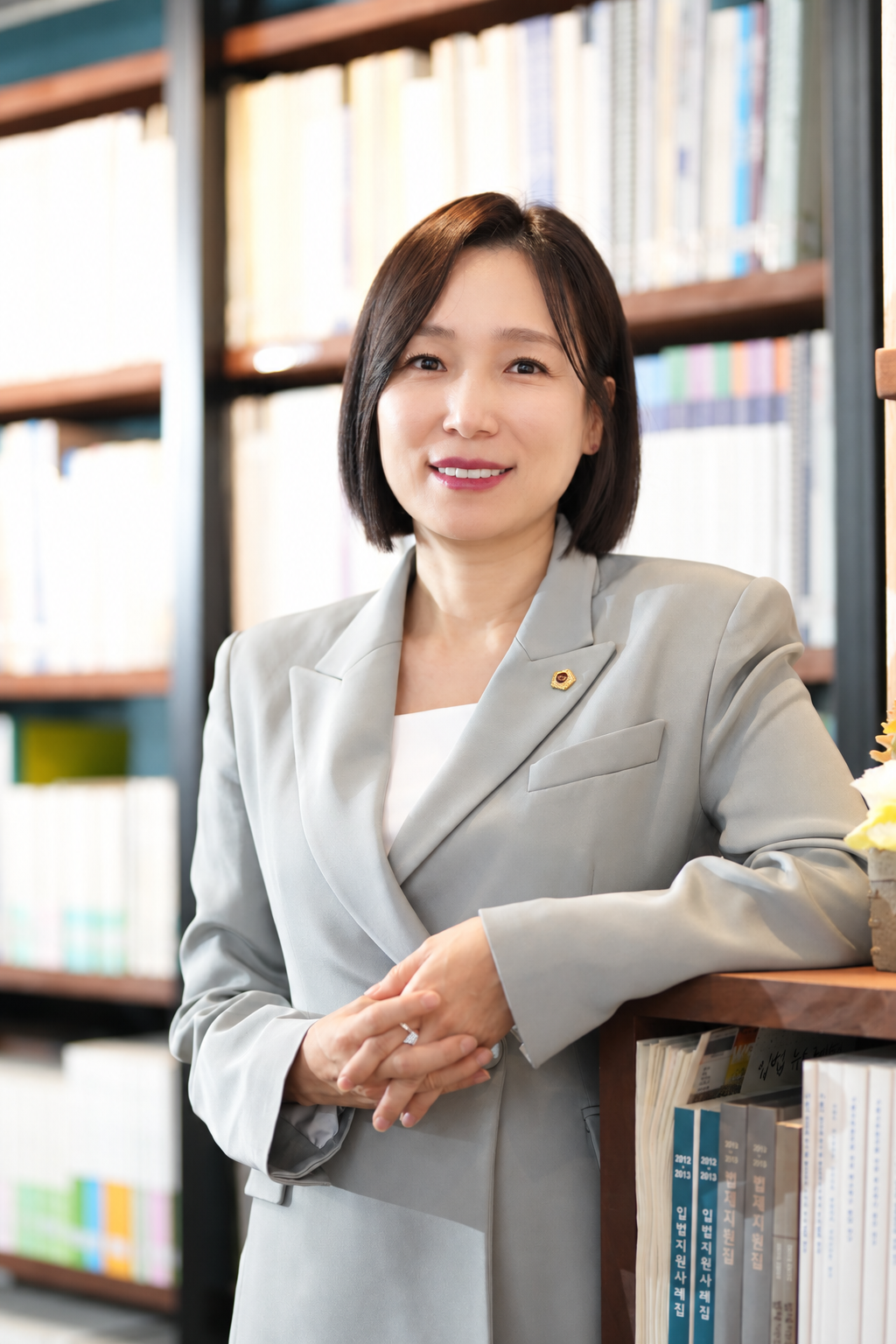
Choi Won-sun, vice chair of the Seoul Metropolitan Council's Culture, Sports and Tourism Committee and a People Power Party proportional-representation member, said Monday in an interview at the council's member office building that she intends to evaluate Seoul's culture, tourism and sports policies not by the number of events staged but by the real-world changes they produce.
She also said the parallel expansion of festivals and cultural events by the Seoul Metropolitan Government and its 25 autonomous districts has led to similar themes and programs being repeated across multiple neighborhoods. Rather than mechanically cutting the number of events, she argued, policy efforts should focus on giving each event a distinct identity and concentrating resources on content that either symbolizes Seoul or reflects the character of its individual communities.
"When similar events are repeated out of habit, it becomes hard for any individual festival to leave a clear impression on residents," Choi said. "Events with genuine growth potential should be given the support to sustain themselves, while those with an unclear identity should be boldly restructured."
Linking post-event outcomes to the next budget
The starting point of Choi's proposed festival policy is a shift in how success is measured. Performance assessments, which have traditionally focused on audience size and whether budgets were spent, should also capture resident feedback, intent to revisit, changes in nearby commercial activity, and artists' income and opportunities, she said.
She also called for a mechanism that ties individual project evaluations directly to budget planning, so assessments do not simply disappear into administrative procedure. Events that receive strong reviews should receive continued support to raise their quality the following year, she said, while those that fall short of expectations or overlap with other events should be reviewed for consolidation, scaling back or restructuring.
Among the indicators she proposed tracking: whether artists who participated in a festival were offered new stages or follow-on opportunities, and whether visitors drawn during the event moved on to nearby shops and local cultural venues. The aim, she said, is to cultivate events that build lasting ties with their communities rather than inflate short-term attendance figures.
Applying the same logic to public sports facilities, Choi said assessments should center on actual usage rates, ease of access and maintenance conditions rather than the number of facilities built. In tourism, she said, the focus should go beyond counting arrivals to examining how long visitors stayed, how widely they spent, and what effect their spending had on local economies.
Choi studied international studies and researched cultural soft power and global content, and has participated in research on local government tourism policy. She said she is now drawing on that experience to examine whether the ordinances, projects and spending structures under the Culture, Sports and Tourism Committee adequately reflect a changed social environment.

Strengthening the creative foundation behind the K-content wave
To turn international interest in K-content into a lasting competitive advantage for Seoul, Choi said, policy must shift its center of gravity toward the people who actually create the content. Rather than relying on the visibility that large-scale events generate, she argued, the city needs to build an environment in which grassroots artists and creators can sustain their work.
Choi said she has personally witnessed the elevated standing of Korean culture in Central Asia and the Middle East. "The stronger the interest from abroad, the more important it is to reinforce the production side," she said. "K-content's influence can only endure if creators have a stable environment in which to present their work."
Youth-oriented cultural policy, she said, should evolve into a structure that connects ticket-cost support for young audiences with direct support for artists. The goal is to lower the barrier to cultural participation for young people while channeling new audiences into performance and exhibition venues, generating revenue that flows back to the creative community.
She also said Seoul should expand opportunities for residents to discover and enjoy the city's own historical and cultural assets before those assets gain recognition abroad. Programs that make cultural heritage and locally rooted content part of everyday life in residential neighborhoods should be increased, she said, rather than waiting for overseas attention to validate their worth at home.
The concentration of tourists in a handful of well-known spots is another problem she wants to address. She envisions spreading visitor demand — currently concentrated in Myeong-dong and Gangnam — across the historical, cultural and everyday resources of individual districts, extending the length of stays and distributing spending more broadly across the city.
Medical tourism, she said, is a field where Seoul can leverage both its medical expertise and its cultural resources. Combining traditional Korean medicine with accommodation, shopping and cultural experiences — alongside the existing medical, cosmetic and plastic-surgery offerings — could transform treatment-focused visits into extended-stay tourism, she said.
She also proposed linking the medical and shopping infrastructure of the Gangnam area with the historical and cultural landmarks of northern Seoul into a single tourist itinerary. As the market for inbound visitors expands beyond China and Japan to Central Asia, Southeast Asia and South America, she said, Seoul also needs to develop signage and digital information systems tailored to the languages and preferences of each visitor group.
Neighborhood-based sports programs tailored to every stage of life
In sports policy, Choi said the first priority is correcting the uneven access to facilities that residents face depending on where they live. Areas that rely heavily on public infrastructure should not be supported under the same formula as those with abundant private sports facilities, she said; neighborhoods where residents struggle to exercise within walking distance should be addressed first.
Alongside building new facilities, she called for more efficient use of existing spaces. Some areas — those near the Han River, for example — already offer easy access to sports venues, while others lack adequate facilities within walking distance, she said, making it necessary to redistribute resources based on actual demand and accessibility.
Diversifying community sports programs to suit a super-aged society is another priority for her. She said the city needs to respond to the surge in demand for specific activities such as park golf while also broadening the options available to older residents based on their muscle condition, joint health and exercise history.
"You cannot apply the same approach to children, young adults, middle-aged people and the elderly," Choi said. "Programs matched to physical condition and life stage can support residents' healthy daily lives and, over the long term, help reduce the burden of medical costs."
She said community sports and elite athlete development should be seen as part of the same continuum. Expanding opportunities for people to try a variety of sports in everyday settings will widen the pool from which young talent can be identified and strengthen the foundation of competitive sports, she said. She added that she plans to revise relevant ordinances to ensure that access to sports participation is not limited by age, neighborhood or economic circumstances.
Choi also emphasized her responsibility as vice chair to coordinate views between the ruling and opposition parties within the standing committee. Drawing on the analytical experience she has built through research, she said she intends to scrutinize the necessity of projects and the appropriateness of their budgets, and to pursue cooperation centered on policy outcomes rather than political confrontation.
"Legislative work cannot stop at the stage of studying policy," she said. "I will work to connect budgets and systems to real changes on the ground, so that residents can see the results in their daily lives."
7toy7@heraldcorp.com