Seoul transportation chief briefs press on bus strike
'Union claim that court ruling fixed 176 hours is not true,' official says
City says it must eliminate uncertainty over ordinary wages before conflict repeats
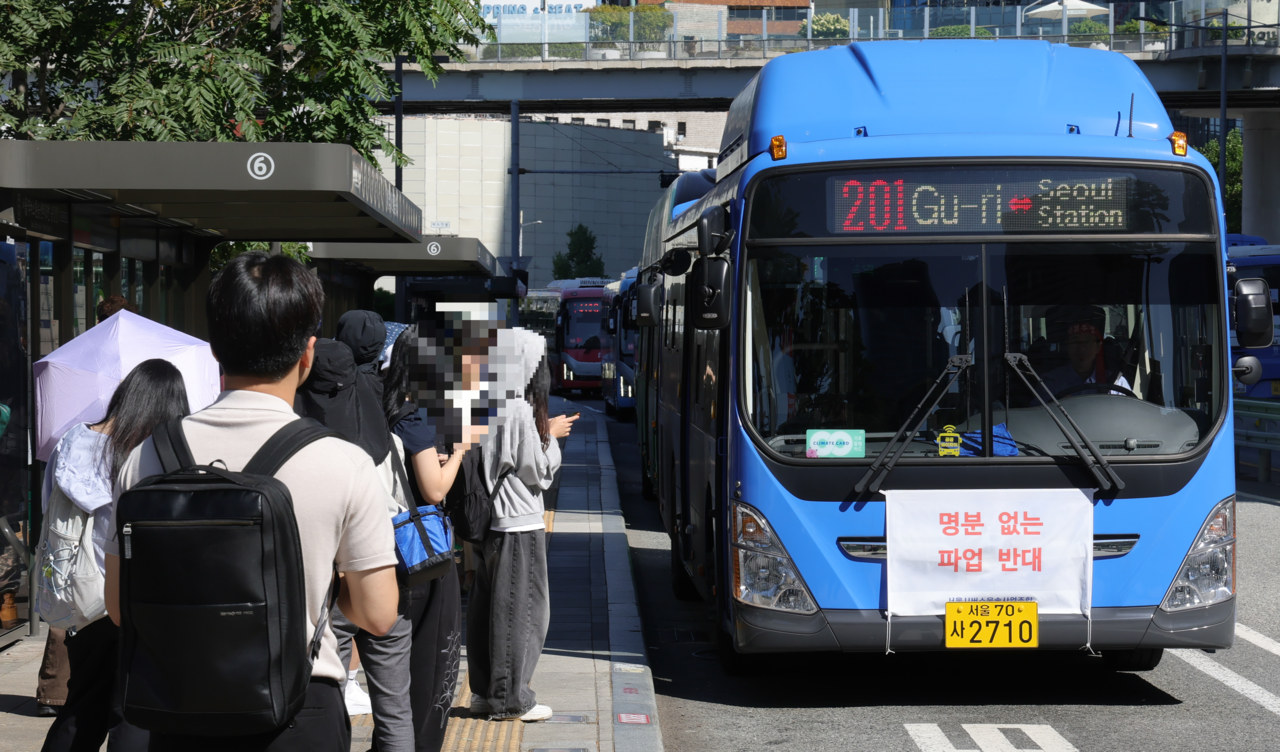
With a declared strike by Seoul's city bus union now just one day away, the Seoul Metropolitan Government said Tuesday it must "eliminate uncertainty" surrounding ordinary wages, while rebuffing the union's claim that a court ruling had settled a key calculation standard.
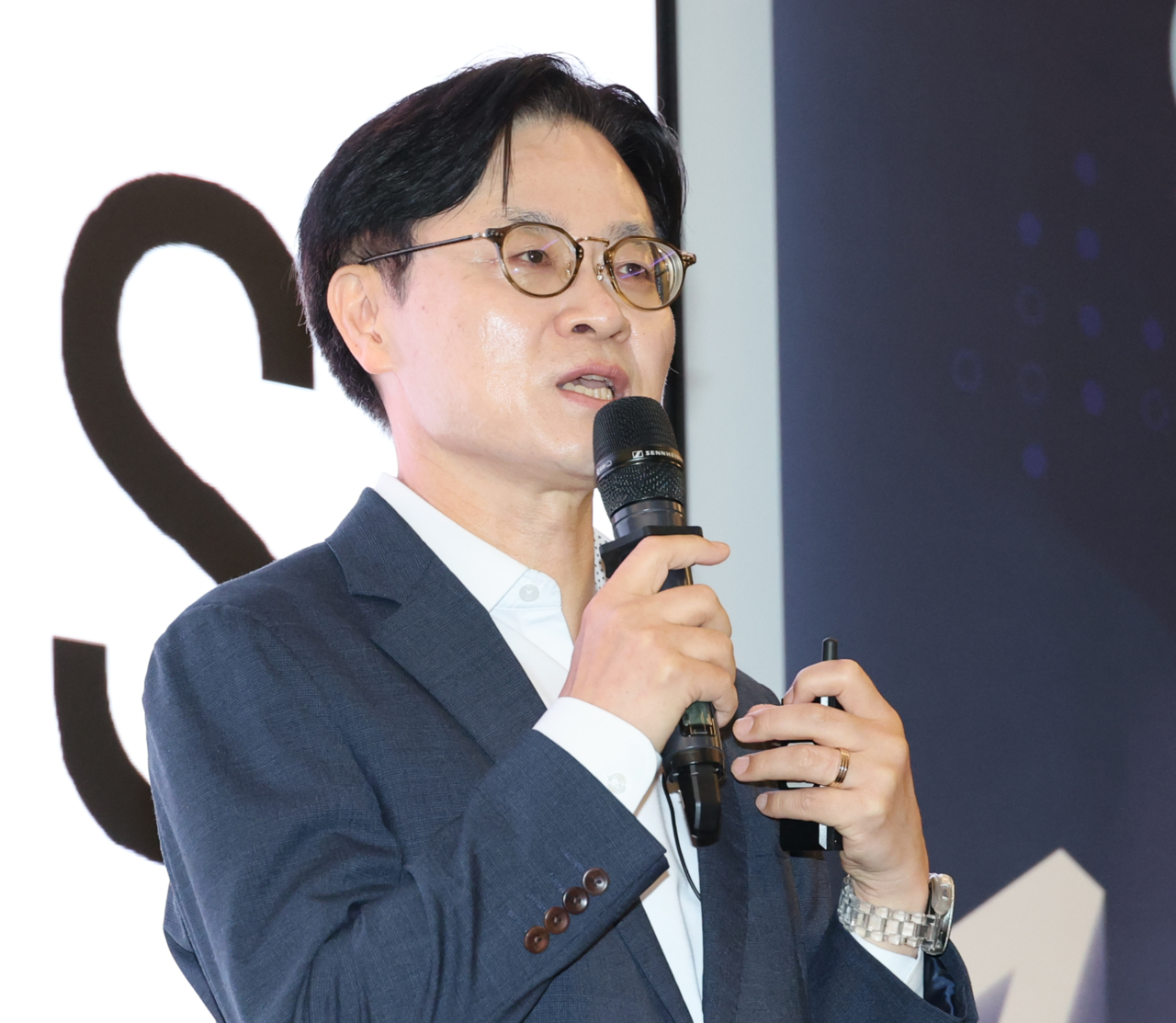
Yeo Jang-kwon, the city's transportation director, told reporters at a City Hall briefing Tuesday afternoon that delaying the ordinary wage issue again risked repeating the same conflict. "It is right to resolve the uncertainty quickly and put the wage structure in order," he said. He added that the city's semi-public bus management system did not mean unlimited fiscal support for whatever the union demanded. "We have to consider public expectations and examples from other regions," he said. "If the demands fall outside an acceptable range, we must correct that even if it is difficult."
Yeo pushed back on the union's insistence that the monthly base calculation hour be set at 176 — a position the union says was validated by an April Supreme Court ruling in the Dong-A Unsu case. "What the ruling decided was not that the hourly ordinary wage rate should be divided by 176 hours," he said. "The key point of the ruling is that contracted working hours agreed upon by labor and management — not actual hours worked — should be applied when calculating allowances." The two sides remain deadlocked over how to set the hourly rate after including regular bonuses in ordinary wages: the union insists on 176 hours as the divisor, management argues for 230, and 209 hours has been floated as a compromise. The fewer hours used as the divisor, the higher the resulting hourly ordinary wage.
Yeo said using 176 hours as the standard would translate to a roughly 16 percent wage increase, while 209 hours would mean about 10 percent and 230 hours about 7 percent. "Most other regions outside Seoul have reached agreements at around the 209-hour level," he said, and went on to say that if the Dong-A Unsu ruling had definitively settled the figure at 176 hours, there would be no reason for related lawsuits to continue.
Yeo also addressed the union's claim that it had agreed in January's wage talks to abide by the outcome of the Dong-A Unsu ruling. "There is nothing anywhere in the agreement that says the parties will settle the ordinary wage question in line with a court ruling," he said. "Given that this is clear, I cannot understand why they are framing it as a broken promise. It is not a fact."
However, the city said it would keep the door open to negotiations even as it declined to accept the union's demands outright.
"Negotiations cannot work if we are not flexible about what is discussed at the table," Yeo said. On reports that some experts had raised the need to revisit the semi-public management system, he said the city had previously commissioned a study on restructuring it, and that the top recommendation had been to introduce a pre-set cost ceiling — a system under which the city would fix a cap on total labor costs for each bus company in advance, with labor and management then negotiating how to distribute wages within that limit.
"The union and the bus company owners would both have to agree before we can move to a pre-set ceiling system," Yeo said. "It will be an extremely difficult undertaking, but we must get there." He warned that continuing on the current path would push city finances to a breaking point. "If the union's demands are accepted, we will reach a situation where the bus deficit exceeds the subway deficit," he said.
cook@heraldcorp.com