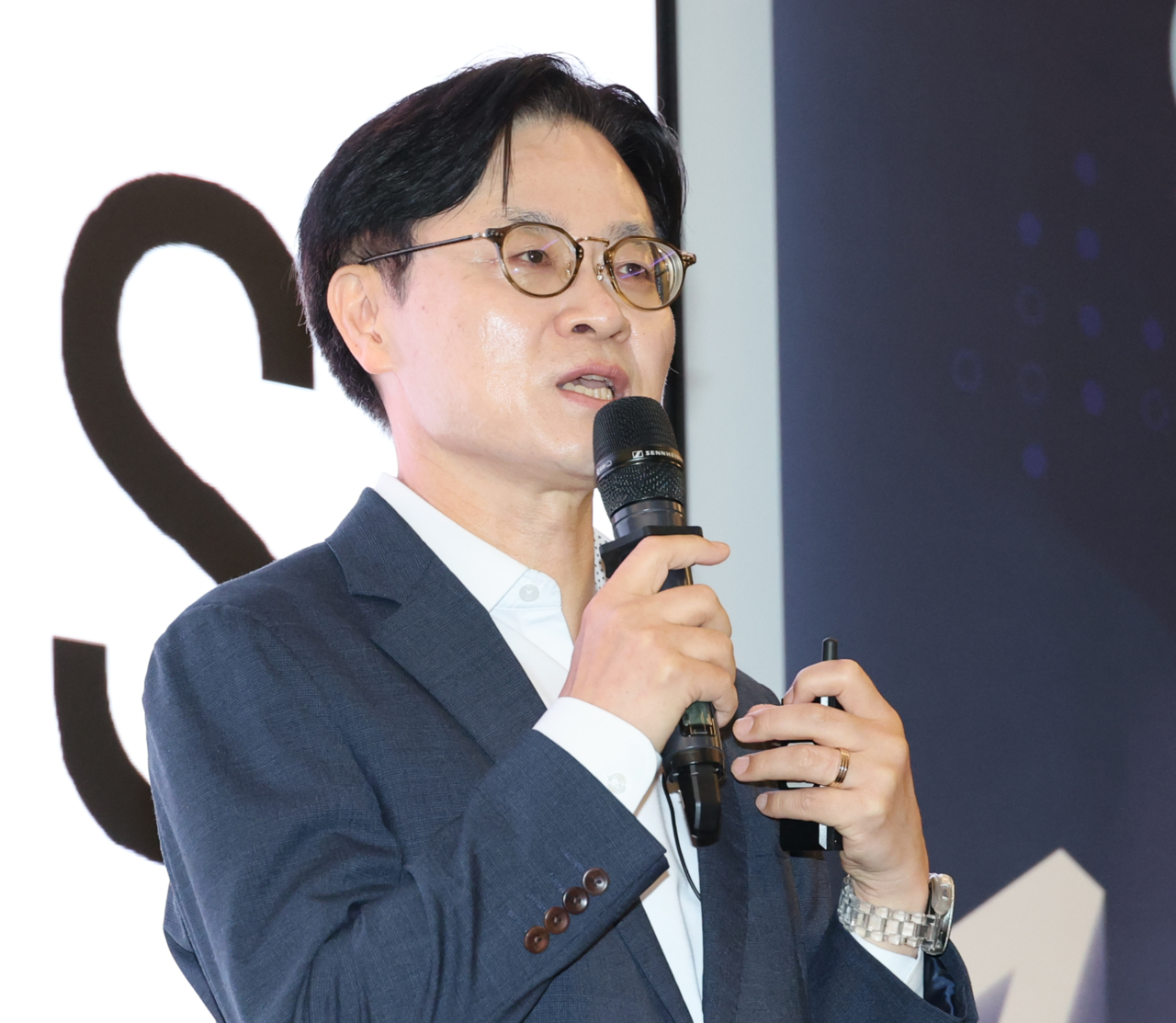
District Mayor Yoo Dong-kyun holds press conference Tuesday morning, acknowledging the need to modernize the existing waste-to-energy facility but firmly opposing any capacity expansion or additional waste imports; calls on Seoul Metropolitan Government to provide residents with tangible benefits such as heating subsidies
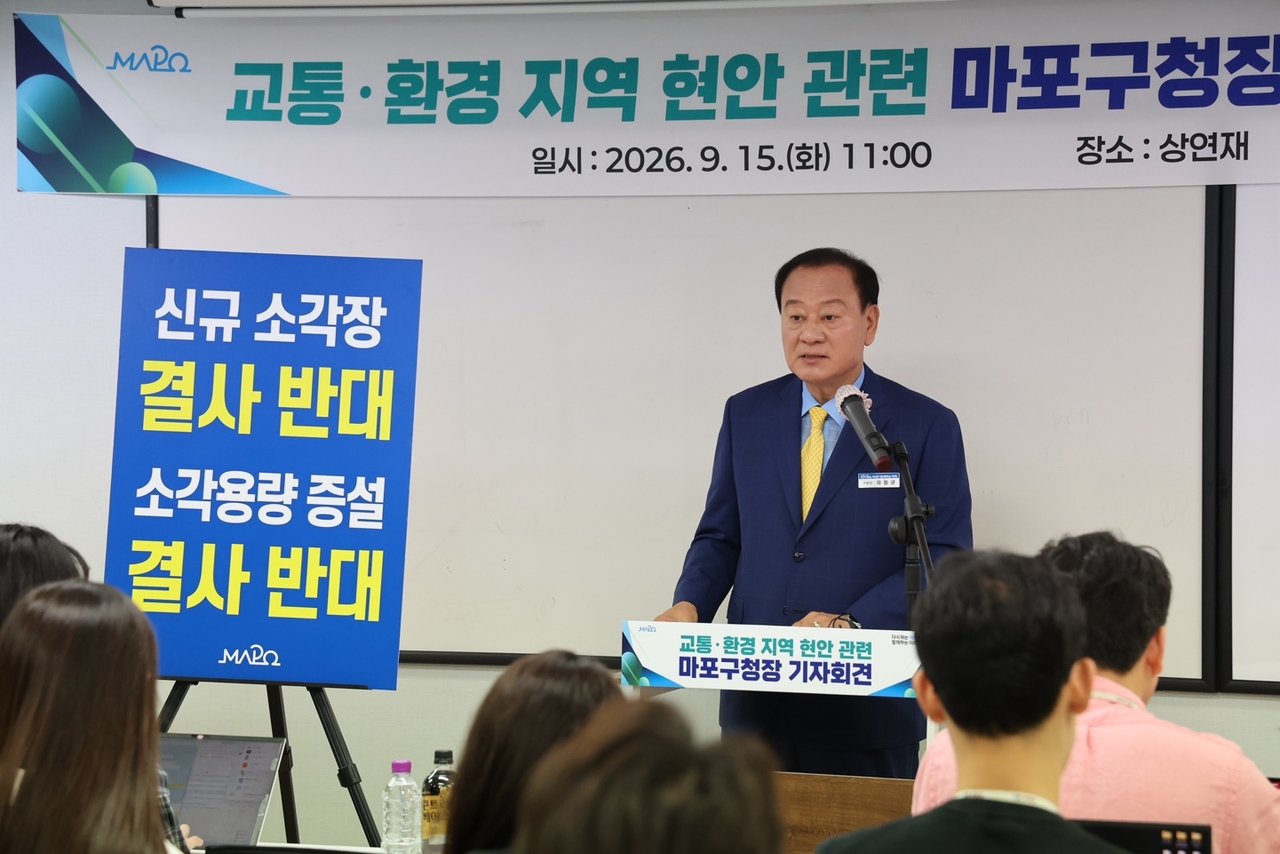
Mapo-gu has declared firm opposition to any renewed push to build a new waste-to-energy facility in Sangam-dong or to expand the incineration capacity of the existing facility.
District Mayor Yoo Dong-kyun held a press conference Tuesday morning, urging the Seoul Metropolitan Government to state its position clearly on both the proposed new facility and the modernization of the existing Mapo waste-to-energy plant, and to draw up concrete support measures for residents.
Mapo-gu has long opposed the Seoul Metropolitan Government's unilateral plan to build a new waste-to-energy facility in Sangam-dong, and ultimately prevailed in related litigation.
In response, the Seoul Metropolitan Government announced in March that it would scrap the plan for a new incinerator in Mapo-gu and shift policy toward modernizing the existing Mapo waste-to-energy facility.
However, according to Mapo-gu, the Seoul Metropolitan Government has yet to disclose a specific plan for modernizing the existing facility or formally request consultations with the district.
The controversy flared again at a Sept. 4 business briefing before the Seoul Metropolitan Council's Environment and Water Resources Committee, when a Seoul city official indicated it would be difficult to completely rule out the possibility of reviving the Sangam-dong incinerator project.
"Given that remarks contradicting the earlier announcement have surfaced within just a few months, the Seoul Metropolitan Government must clearly state its position on both the new incinerator and the modernization of the existing facility," Yoo said.
The district said it sympathizes with the need to improve the existing Mapo waste-to-energy facility to enhance safety and environmental standards. However, it drew a line against any plan to increase incineration capacity or bring in additional waste from other districts under the guise of modernization.
In particular, Yoo stressed that reviving the already-withdrawn new incinerator project in Mapo-gu must never be allowed to happen.
"Residents have endured the burden of handling Seoul's waste for many years, yet they have not received even the basic benefits that residents of other districts enjoy, such as heating subsidies," Yoo said. He urged the Seoul Metropolitan Government to take the lead in reforming the relevant systems if current laws and regulations fall short, and to ensure that Mapo-gu residents receive broad support.
Mapo-gu warned that the Seoul Metropolitan Government would face strong community backlash if it proceeded unilaterally while ignoring residents' views.
The district also said it would make the details and progress of any plan fully transparent to residents as soon as Seoul releases specifics, and that it would respond with residents' wishes as its top priority.
A senior Seoul Metropolitan Government official, however, said the response given at the Sept. 4 council briefing "was a general answer to the question asked and had nothing to do with any intention to revive the new waste-to-energy facility project."
seouldream01@heraldcorp.com