On Yongsan Park, nominee says Seoul city agreement and public consensus must come first
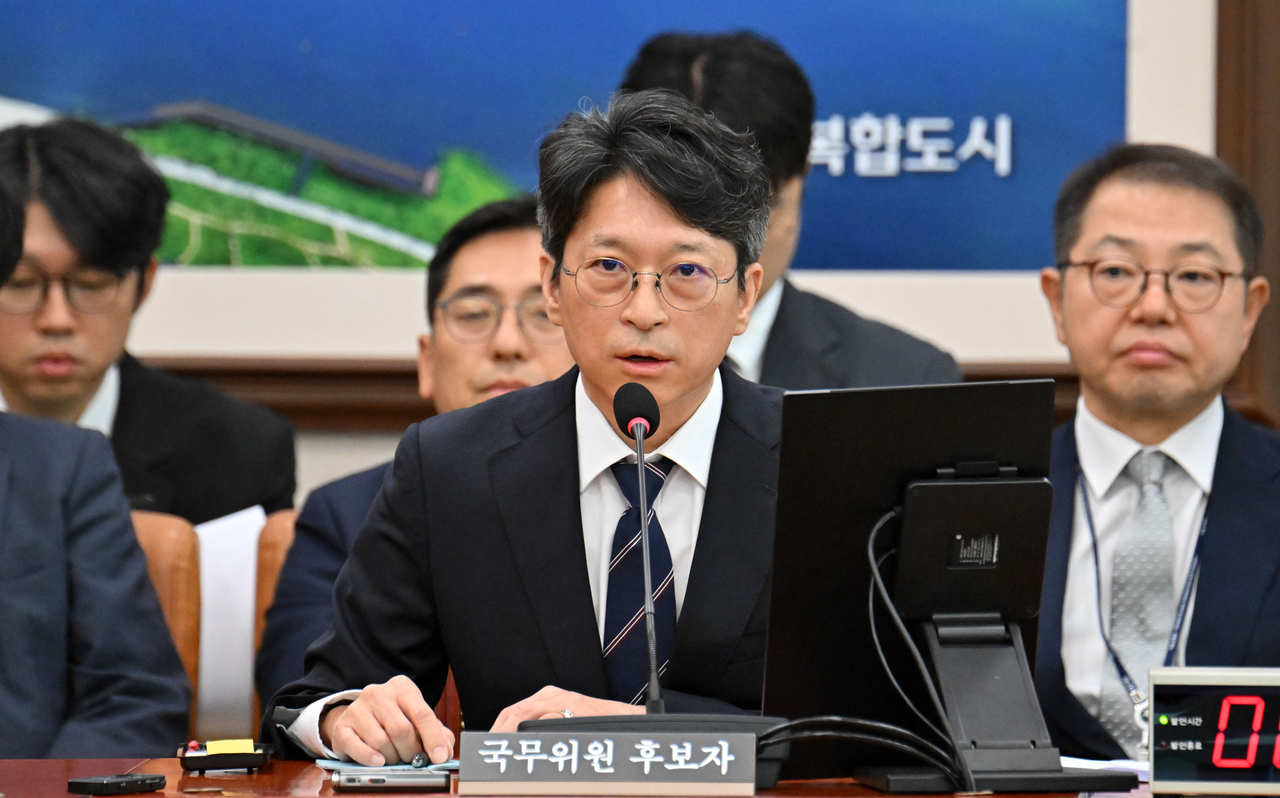
Hong Ji-sun, nominee for minister of the Ministry of Land, Infrastructure and Transport, said Wednesday she would assess market conditions before deciding whether to extend the land transaction permit zone designation currently applied to all of Seoul and 12 areas in Gyeonggi Province through the end of this year.
At her confirmation hearing at the National Assembly on Wednesday, Hong responded to a question from People Power Party lawmaker Kim Jeong-jae about whether the land transaction permit zone designations would be maintained after year-end, saying she would "closely examine market conditions and consult with relevant ministries."
Addressing criticism that the land transaction permit zone designation suppresses transactions while driving up prices, Hong said the policy "also plays a relatively positive role," adding that lifting and reimposing such restrictions in Seoul had itself caused housing prices to rise. "Every policy has its advantages and disadvantages, and I will look into this carefully," she said.
The government had designated all of Seoul and 12 areas in Gyeonggi Province as land transaction permit zones through its Oct. 15 measures last year. The designation was set to remain in effect through the end of this year.
Hong reaffirmed that any housing supply plan for Yongsan Park must be preceded by agreement with the Seoul Metropolitan Government and the formation of a public consensus. "No specific development plan has been drawn up for the former US military base," she said, adding that public deliberation and opinion-gathering would be required, as would legislation before anything could be implemented. "The park's core landscape must of course be preserved, and if there are ways to additionally contribute to housing stability for future generations, those should be reviewed as well," she said.
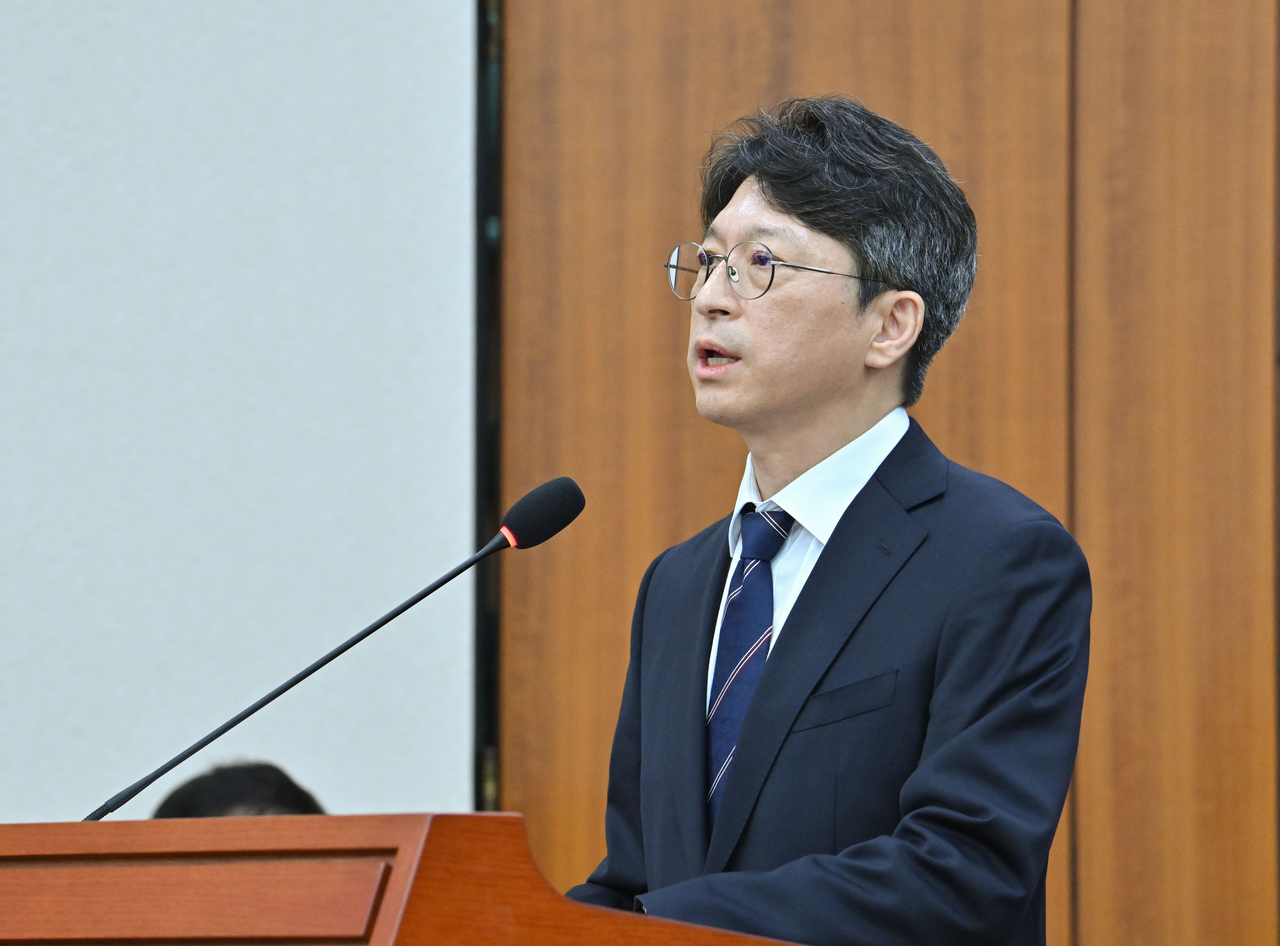
Meanwhile, Hong said her purchase of an apartment last year was driven by genuine housing need following the expiration of a jeonse contract, not by a desire for capital gains. The questioning came amid remarks by President Lee Jae Myung describing jeonse as "a form of private finance unique to South Korea," with lawmakers noting that Hong had lived in jeonse housing multiple times before buying a Seoul apartment last year.
"Over 30 years in public service, I lived as a jeonse tenant without owning a home for about 20 of those years," Hong said, explaining that she had moved multiple times due to personal circumstances — including postings in Uijeongbu and Suwon and her spouse's work in Incheon.
She added that moving between jeonse homes did not grow the deposit but instead cost money in brokerage fees and moving expenses. "The hardest part of living in jeonse was having to move every two or four years not by my own choice, but by someone else's — that was truly draining," she said.
On her purchase of an apartment in Seoul's Sindorim area last year, Hong said she decided to buy as she was about to move following the expiration of her jeonse contract. "When I looked for another jeonse home, nearby jeonse prices exceeded 900 million won ($665,000), while I could buy a home in a slightly farther area for around 1 billion won," she said. "Since I would have had to take out a jeonse loan anyway, and moving again had become too much, I took out a bit more in loans and bought instead."
She added that the move was not motivated by capital gains, but was a purchase made at a moment when her jeonse contract was expiring and she would once again have been forced to move against her will.
hss@heraldcorp.com
hwshin@heraldcorp.com