The district is upgrading its CCTV network with AI, launching autonomous buses and running smart senior centers — using AI and IoT to boost resident safety and convenience
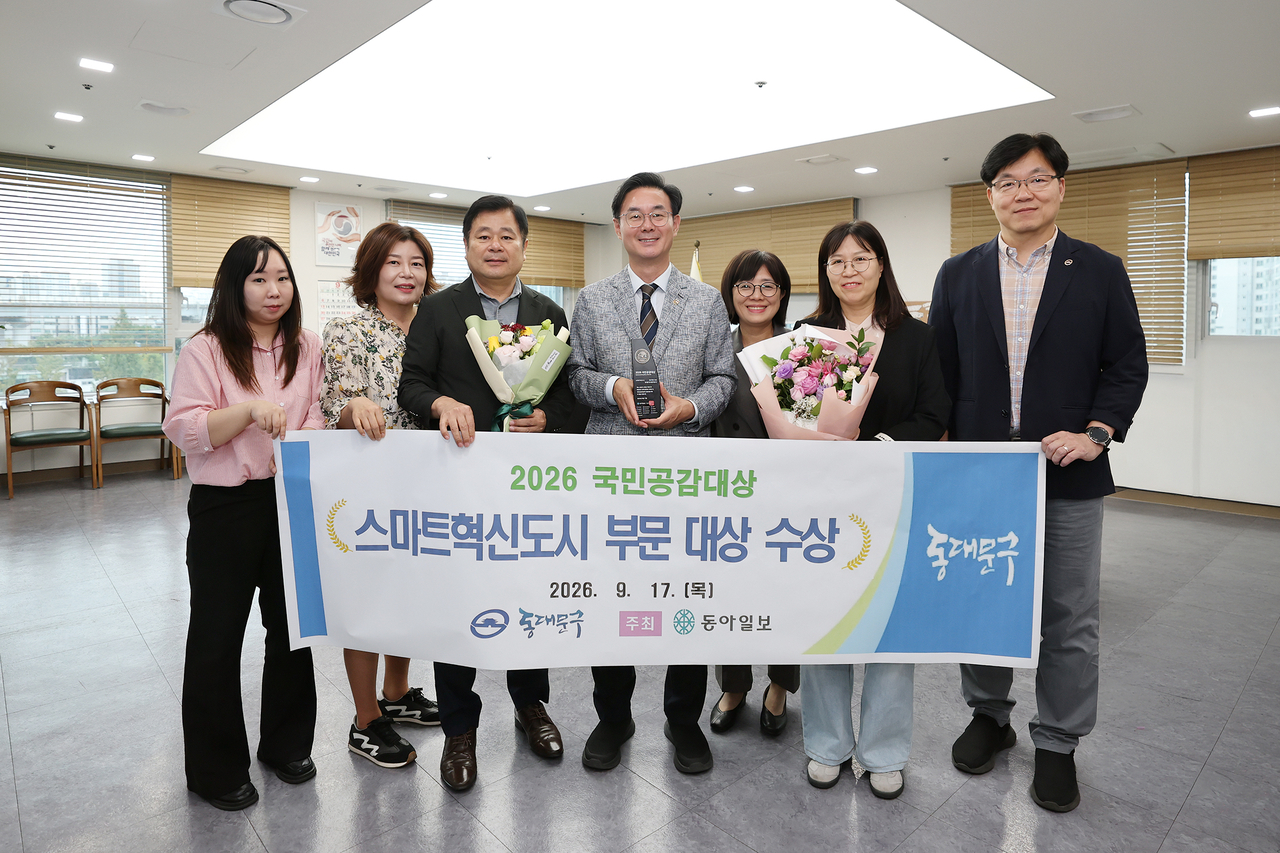
Seoul's Dongdaemun-gu has won the grand prize in the "Smart Innovation City" category at the 2026 National Empathy Awards, recognized for integrating AI and the Internet of Things (IoT) across safety, transportation, welfare and public administration.
The 2026 National Empathy Awards, sponsored by the Ministry of Economy and Finance, the Ministry of Science and ICT and the Ministry of Interior and Safety, honors outstanding cases of empathy-driven management by local governments, companies and organizations that have created value through community engagement and communication.
The district has gone beyond simply adopting new technologies, applying them to solve everyday problems residents can feel directly — from personal safety and mobility to care services. It has also used data to identify urban challenges, deploy targeted services on the ground and expand the foundations for resident participation in smart-city policymaking.
On the safety front, the district is pursuing a full conversion of its closed-circuit television network to AI-powered intelligent monitoring through its "Intelligent Selective Surveillance Infrastructure Upgrade Project." The upgraded system enables AI to analyze CCTV footage in real time, detect warning signs and respond swiftly. Smart poles have also been installed at school zones and major crosswalks to strengthen pedestrian safety.
In transportation, Dongdaemun-gu became the first district in Seoul's northeastern corridor to launch a pilot autonomous bus service, operating in areas such as Jangan-dong where public transit access is limited. The district has also expanded traffic-safety infrastructure — including IoT-based smart shelters, an AI right-turn alert system and smart crosswalks — to improve both mobility and road safety.
In welfare, the district has connected advanced technology to care services and efforts to bridge the digital divide. It established the nation's first video-conferencing platform for senior centers and operates "smart senior centers" equipped with digital devices such as smart tables, allowing elderly residents to participate in various programs and grow comfortable with digital technology.
The district also runs an AI care-call service that checks on single-person households around the clock, a robotic public rehabilitation service for people with disabilities, and AI patrol robots that monitor fire and crime risks at traditional markets. The focus has been on applying technology in areas closely tied to daily life to reduce care gaps and everyday inconveniences for the elderly and vulnerable.
AI has been integrated into internal administration as well. The district introduced "Chat DDM," a generative AI chatbot for staff, to improve work efficiency, and operates a "Smart City Living Lab" where residents identify local problems and explore technology-based solutions — broadening the foundation for participatory policymaking.
To connect these individual projects into district-wide innovation, Dongdaemun-gu has established a "2025–2029 Smart City Mid- to Long-Term Master Plan."
Going forward, the district plans to expand smart services across sectors in stages and continuously assess whether technology adoption is translating into real improvements in resident convenience and quality of life.
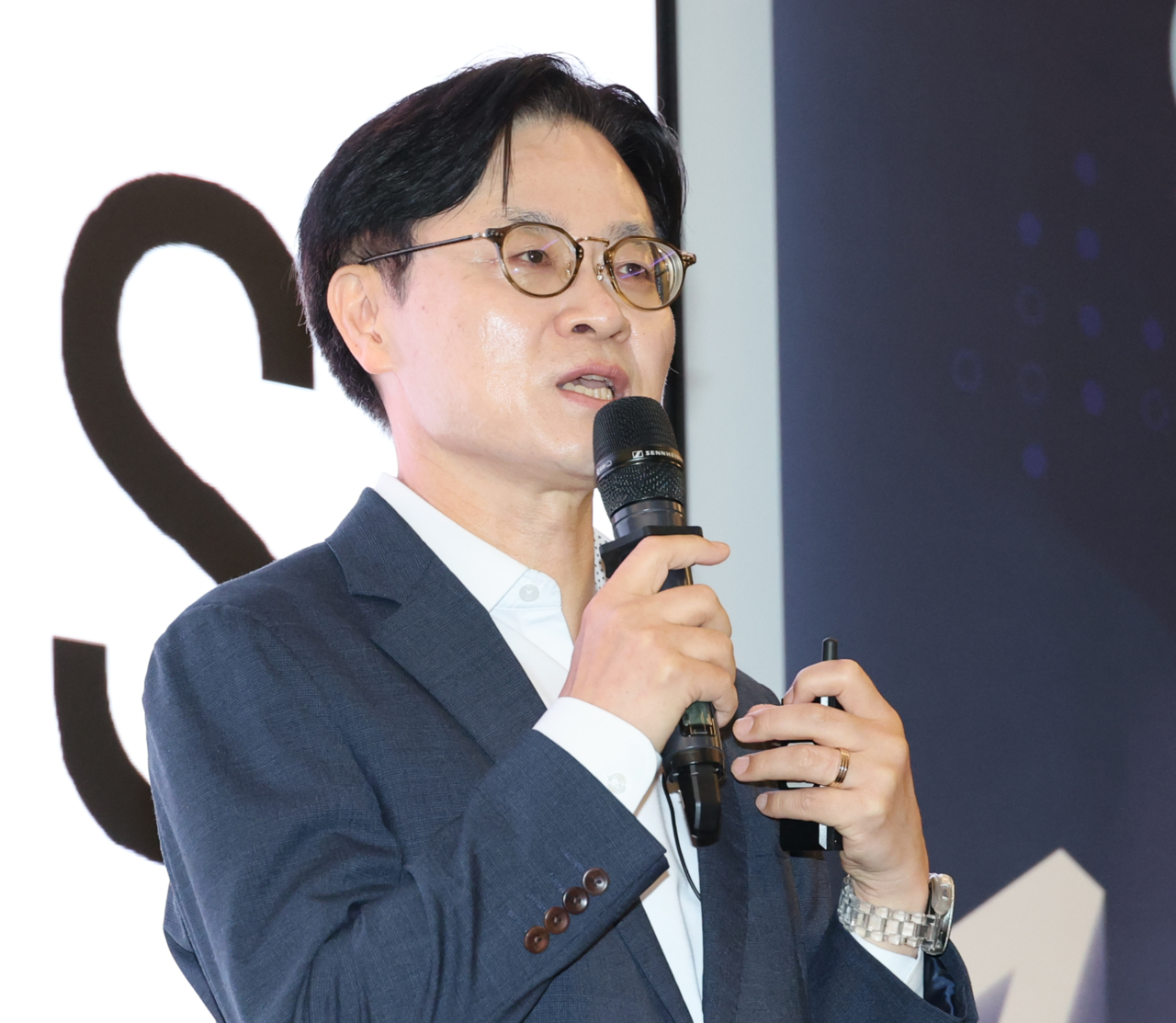
"The goal of a smart city is not advanced technology for its own sake, but how much that technology can make residents' daily lives safer and more convenient," Dongdaemun-gu District Mayor Choi Dong-min said. "We will actively apply AI and IoT in areas closely tied to daily life — transportation, safety and welfare — to build a smart city where residents can feel the change themselves."
seouldream01@heraldcorp.com