System analyzes pedestrian and vehicle demand in real time, adjusting signal patterns to match traffic conditions
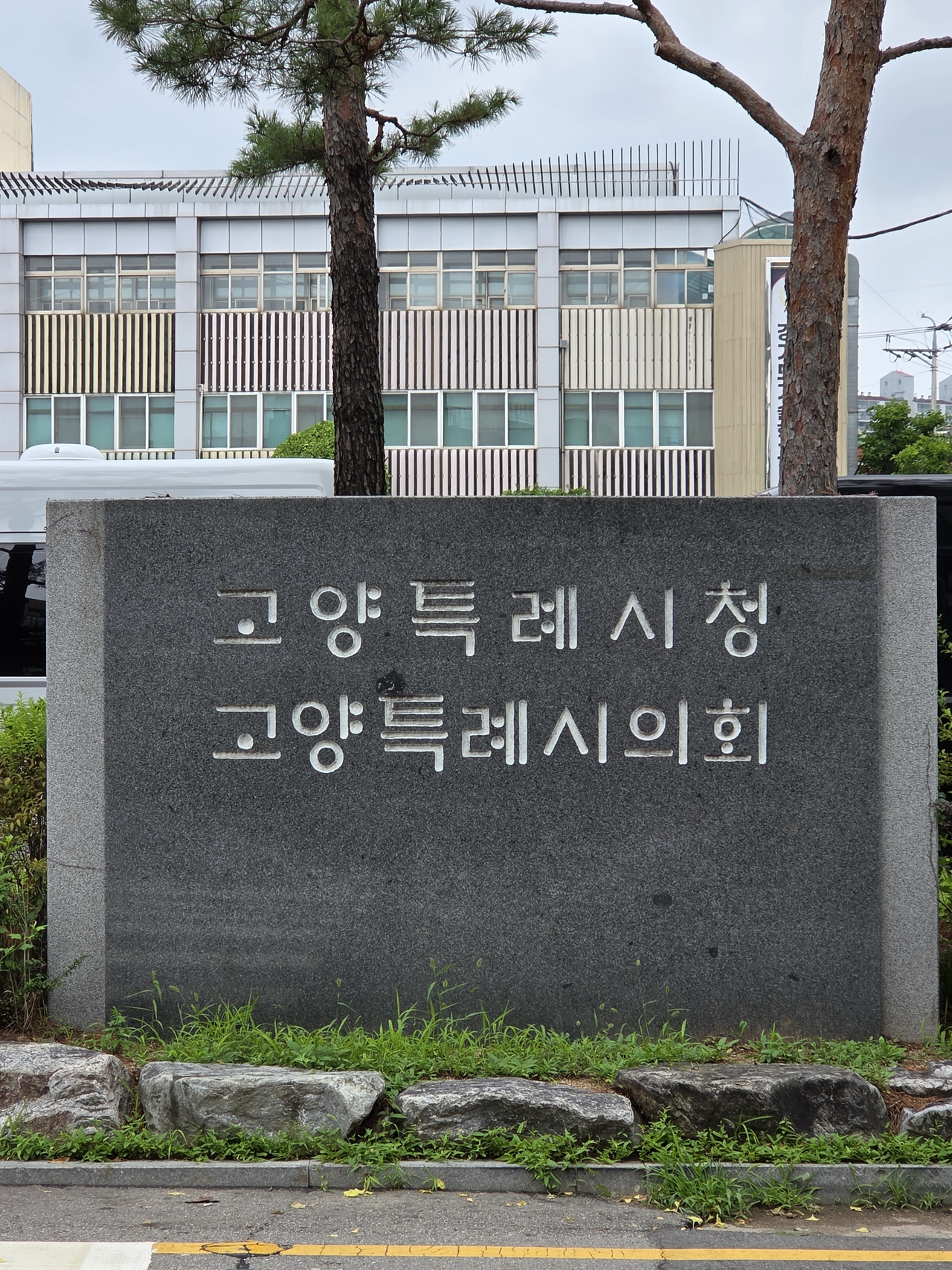
Goyang Special City announced Friday it will pursue a pedestrian-priority AI-CROSS project that analyzes pedestrian and vehicle movement demand in real time and flexibly adjusts traffic signal operations based on current conditions.
The project is part of the Ministry of Land, Infrastructure and Transport's 2026 Digital Road AI New Technology Support Project. A consortium comprising Ssaintelecom, Dongrim T&S, Kostek Systems, the Korea National University of Transportation's industry-academic cooperation foundation, and the Korea Road Traffic Authority will carry out the work from July 2026 through June 2027.
AI-CROSS is an intelligent traffic signal system that uses AI edge cameras to detect pedestrians and vehicles around crosswalks in real time, supporting signal operations tailored to on-site demand through object tracking, arrival-time prediction and pedestrian-intent analysis. A key feature is its ability to compare pedestrian and vehicle demand and flexibly switch among pedestrian-priority, vehicle-priority and balanced signal modes depending on intersection conditions.
By basing signal operations on actual pedestrian and vehicle demand rather than fixed time-of-day schedules, the system is expected to respond more proactively to traffic conditions that vary by time and location.
Goyang is reviewing roughly seven candidate sites in Deogyang-gu and Ilsanseo-gu, taking into account the areas' traffic and pedestrian characteristics. Sites will be selected with consideration for a range of pedestrian environments and traffic patterns, including child protection zones, senior protection zones, areas near schools and transit-oriented areas.
AI-CROSS also supports safety-focused signal operations by distinguishing among pedestrians with different walking speeds and safety vulnerabilities — including children, elderly people and those using crutches — and adjusting crossing times accordingly.
The city expects the project to reduce traffic accidents, improve pedestrian safety, shorten pedestrian waiting times and minimize vehicle delays while enhancing overall traffic flow.
"We will use AI technology to respond proactively to changing pedestrian and vehicle demand and create a traffic environment where residents can move more safely and conveniently," a city official said. "As the project progresses, we will carefully review the traffic characteristics and safety conditions at each site and work with relevant agencies to build an AI-based signal operation model suited to Goyang."
pjh@heraldcorp.com