Korea Federation of SMEs selects 32 tasks across 28 laws, designates 10 as priorities
Group calls for cooperative bargaining rights, 30-day payment terms, online platform law
Assembly passes bill cutting large retailer payment deadlines; direct-purchase window shrinks to 35 days
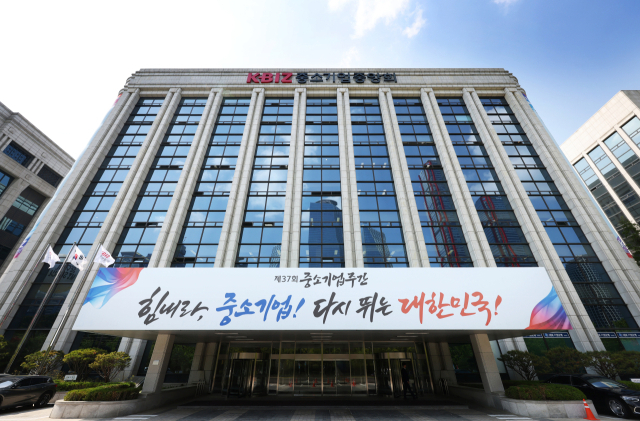
South Korea's small and medium-sized enterprise lobby has selected 32 legislative priorities it wants the second half of the 22nd National Assembly to address, including measures to narrow the bargaining gap between large and small businesses, a new law to regulate online platform transactions, and greater flexibility in how companies retain older workers.
The Korea Federation of SMEs announced the package, titled "SME Legislative Priorities for the Second Half of the 22nd National Assembly," on Thursday.
The 32 tasks span 28 laws under the jurisdiction of six standing committees — the Industry, Trade, Resources, SMEs and Startups Committee; the Legislation and Judiciary Committee; the Political Affairs Committee; the Finance and Economy Planning Committee; the Health and Welfare Committee; and the Climate, Energy, Environment and Labor Committee. The federation designated 10 of the 32 as core priorities.
Improving the business transaction environment topped the agenda. The federation called for amendments to the Small and Medium Business Cooperatives Act and the Fair Trade Act before year-end to introduce a right for SME cooperatives to request negotiations with large companies, arguing that the bargaining power gap between large and small firms is a key driver of economic polarization.
The package also calls for easing the raw-material eligibility requirements under the supply-price linkage system and revising the opt-out provisions. It further urges cutting the payment deadline for subcontract and supply transactions under the Win-Win Cooperation Act and the Subcontracting Act from the current 60 days to 30 days, to improve cash flow for small businesses.
Shortening payment deadlines imposed on large retailers was also included. The Assembly passed an amendment to the Large-Scale Distribution Business Act on Thursday, reducing the payment window for consignment and agency transactions from 40 days to 20 days after the monthly sales cutoff date. For direct-purchase transactions, the deadline will be cut from 60 days to 35 days after the date of receipt. The amendment takes effect one year after promulgation.
The federation also called for legislation to address shifts in the business environment, urging the enactment of an Online Platform Fair Transactions Act to regulate the trading conditions faced by small businesses and self-employed merchants who rely heavily on online platforms.
In employment and labor, the federation flagged reform of the Serious Accidents Punishment Act and the continued employment of older workers as core priorities. It said companies should be free to choose how they retain aging employees based on their own workforce needs and conditions, and called for an expansion of related incentives.
"Looking at aggregate indicators such as exports and growth rate outlooks, the economy may appear to be booming, but SME bank delinquency rates are rising and corporate bankruptcy filings have hit a record high — K-shaped polarization is deepening," said Kim Hee-jung, head of the federation's economic policy division. "We ask the second half of the 22nd National Assembly to give careful attention to SME legislation so we can overcome polarization and lay the groundwork for a great leap forward in the Korean economy where small businesses grow together."
The federation met with Assembly Speaker Jo Jeong-sik on Wednesday to deliver the legislative package. Jo said the Assembly would work on legislation to shorten payment deadlines for large retailers and establish a fair market transaction order. The federation plans to present the priorities to ruling and opposition parties and relevant standing committees, and to push for their enactment through policy forums and consultations.
hong@heraldcorp.com