IoT radar sensors in 6 flood-prone alleys monitor road water levels every minute, enabling real-time detection of dangerous conditions. When water reaches set thresholds, sirens and voice broadcasts activate automatically to give residents critical evacuation time.
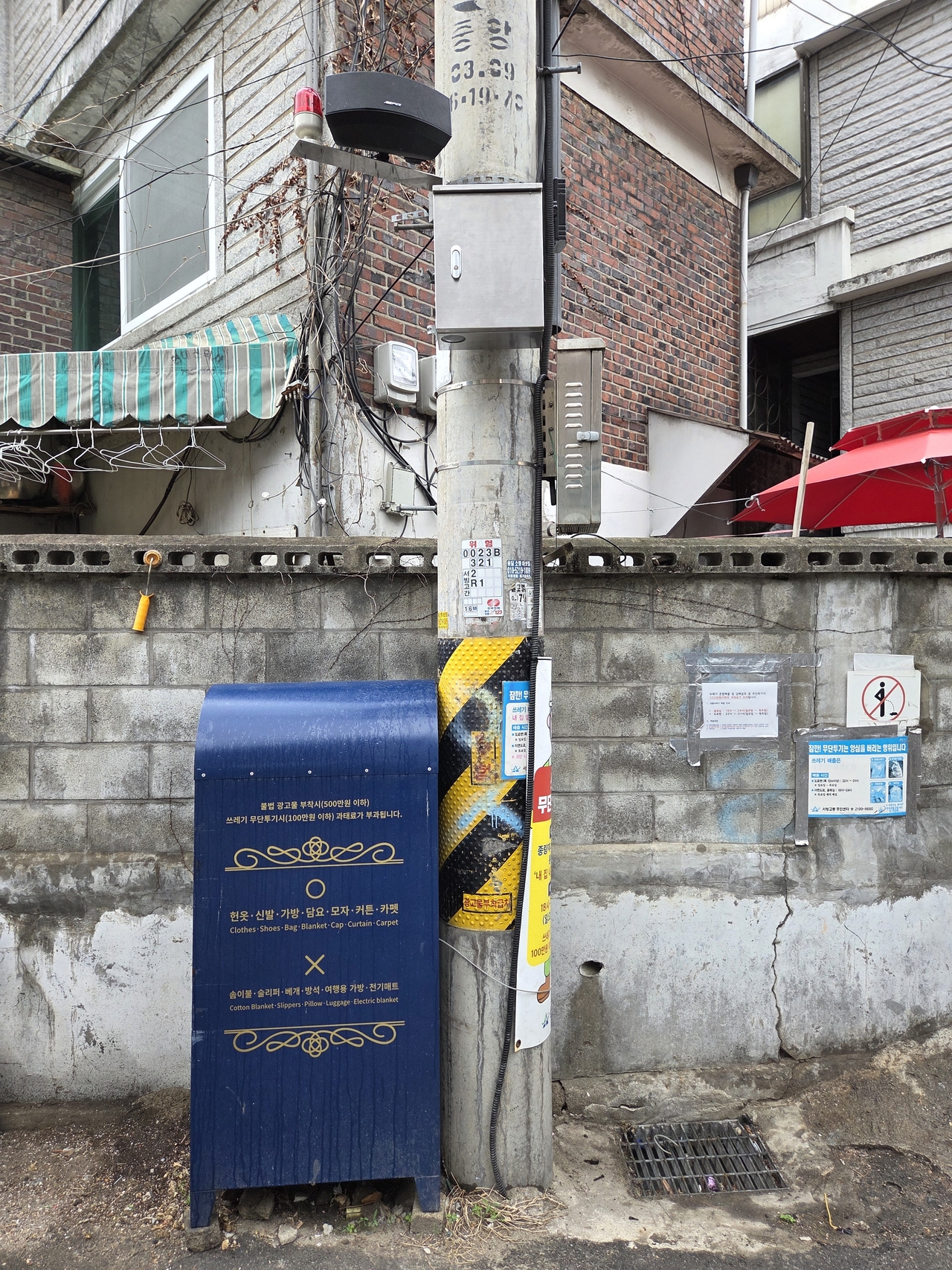
Yongsan-gu in Seoul has become the first district in the country to install an IoT radar-based flood warning system in alleys densely packed with semi-basement housing, taking a proactive stance against storm and flood damage.
The district selected six low-lying areas with high concentrations of semi-basement homes at the start of this year, built out the system, and completed a pilot run through August — part of the summer natural disaster preparedness period, which runs from May 15 to Oct. 15.
Before installation, officials conducted on-site surveys of each alley to assess the density of semi-basement units, past flooding history, and installation conditions, then chose equipment and operating methods suited to each location's characteristics.
Under the previous approach, staff had to patrol the scene or wait for resident reports during heavy downpours before confirming flooding and dispatching a response. When sudden torrential rain inundated low-lying semi-basement homes, the time needed to confirm flooding and reach the scene left little room to secure the critical evacuation window for residents.
The newly installed IoT radar system automatically measures road water levels every minute and transmits the data to a server, allowing officials to monitor water-level changes and flood risks in real time without going to the scene. Particularly notable is the expansion of water-level monitoring — previously focused on rivers and major roads — into the residential alleys where people actually live.
When measured water levels reach the designated flood-risk thresholds, sirens and voice broadcasts installed on-site activate automatically. The system operates on three alert levels based on water depth — Caution at 5 centimeters, Warning at 10 centimeters, and Serious at 15 centimeters — and immediately notifies residents of the danger and evacuation procedures.
Alert text messages are also sent to community support partners and care civil servants so they can check the scene and assist with resident evacuation.
Through this system, the district has shifted from a reactive, observation-centered approach to a proactive "detect-broadcast-evacuate" framework, laying the groundwork to rapidly identify flood risks during sudden downpours and immediately notify both field responders and residents, preventing casualties.
Going forward, the district plans to analyze water-level data accumulated through system operations to continuously refine flood forecasting and warning thresholds, and to gradually expand the system's coverage and capabilities, starting with the most flood-vulnerable areas.
"Detecting danger in advance and alerting residents quickly matters far more than responding after flooding has already occurred," Yongsan-gu District Mayor Kim Kyung-dae said. "We will continuously upgrade the IoT-based real-time monitoring system to secure the safety of flood-vulnerable areas and do our utmost to protect the precious lives and property of our residents."
seouldream01@heraldcorp.com