Three-point reform plan calls for expertise-based appointments, performance accountability and new leadership
Lawmaker says agencies must break from routine personnel practices to deliver real change for residents
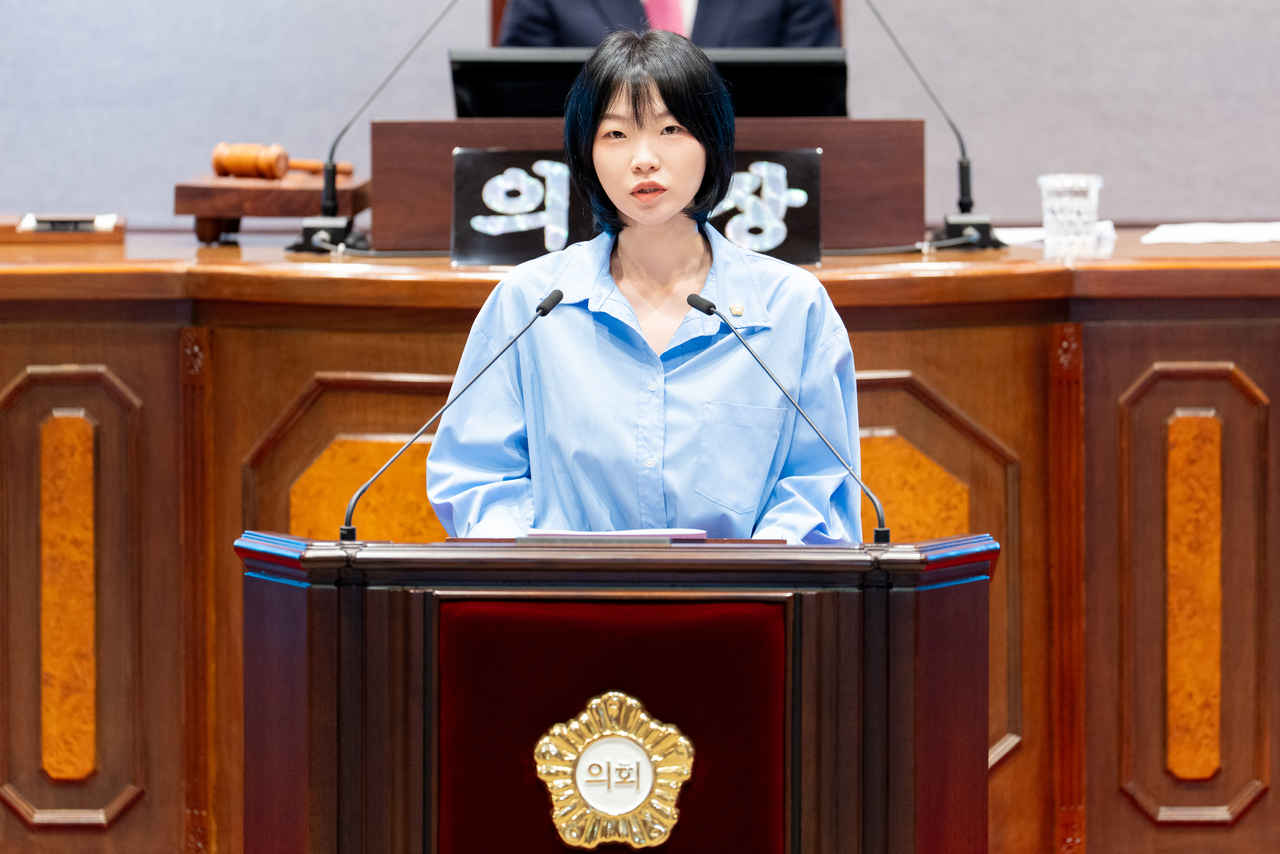
Oh On-nuri, chair of the Welfare and Culture Committee of the Gangnam-gu Council, urged a comprehensive review of the management structure and personnel principles of Gangnam-gu's affiliated agencies in step with the launch of the ninth directly elected administration.
Speaking during a five-minute floor address at the Gangnam-gu Council plenary session, Oh said the district's "Great Transformation" agenda under the ninth administration could only translate into real change if affiliated agencies, not just the district office itself, aligned their operations and leadership with the demands of the new era.
Oh noted that Gangnam-gu had recently signaled through its own personnel decisions a shift away from seniority toward performance, execution and organizational contribution, with a stated goal of placing capable people in the right roles.
"This principle of change must not remain confined to the district office," she said. "It must extend across all affiliated agencies — those in culture, welfare, facilities management and urban services — that are closely tied to residents' daily lives."
Oh laid out three principles for executive appointments and the operation of affiliated agencies.
The first is placing expertise and competence above all else. She said agency heads should be selected based on their understanding of each institution's specific character and responsibilities, not simply on career history or established convention.
"Cultural agencies need cultural expertise and policy capacity; welfare agencies need on-the-ground understanding and administrative capability; facilities management agencies need organizational management and business skills," she said. "The person who best fits the founding purpose and role of each agency should be the one leading it."
The second principle calls for building an agency management framework with clear performance standards and accountability.
She argued that agency executives should be objectively evaluated on what services they delivered to residents during their tenure, how efficiently they managed their budgets, and how proactively they responded to shifting policy demands.
The third principle, she said, is the need for new leadership capable of moving in step with the policy direction of the ninth administration.
Oh identified AI and digital administration, growing welfare demand driven by a super-aged society, and strengthening the district's competitiveness through culture and tourism as the major shifts reshaping the administrative environment.
"The new Gangnam cannot be built on the old ways alone," she said. "The district office and its affiliated agencies must share a single goal, and the results must translate into changes that residents can actually feel."
She also called for bold reform at agencies where positions have been handed down by convention or where existing practices have been repeated without adequate performance review.
"The purpose of personnel decisions is not simply to change people — it is to develop the organization and ultimately raise the standard of administrative services," Oh said.
She added that the launch of the ninth administration marked a critical turning point opening a new four-year chapter for Gangnam-gu, and urged the district to boldly recruit people with the expertise and capacity to lead reform across its affiliated agencies.
In closing, she called on the district mayor to demonstrate clear principles and a firm commitment to change in agency reform and personnel decisions, "so that the 'Great Transformation' does not remain a mere slogan but leads to real change in people, organizations and administration."
seouldream01@heraldcorp.com