'From Seoul to Pyongyang — I want to connect the two Koreas through running'
Moon pushes 'Seoul-Pyongyang Relay Marathon' as new model for civilian sports exchange
Citizen runners to be selected from all 25 Seoul districts; relay format carries message of connection
'Even if the road isn't open yet, we must be ready — when the chance comes, we go'
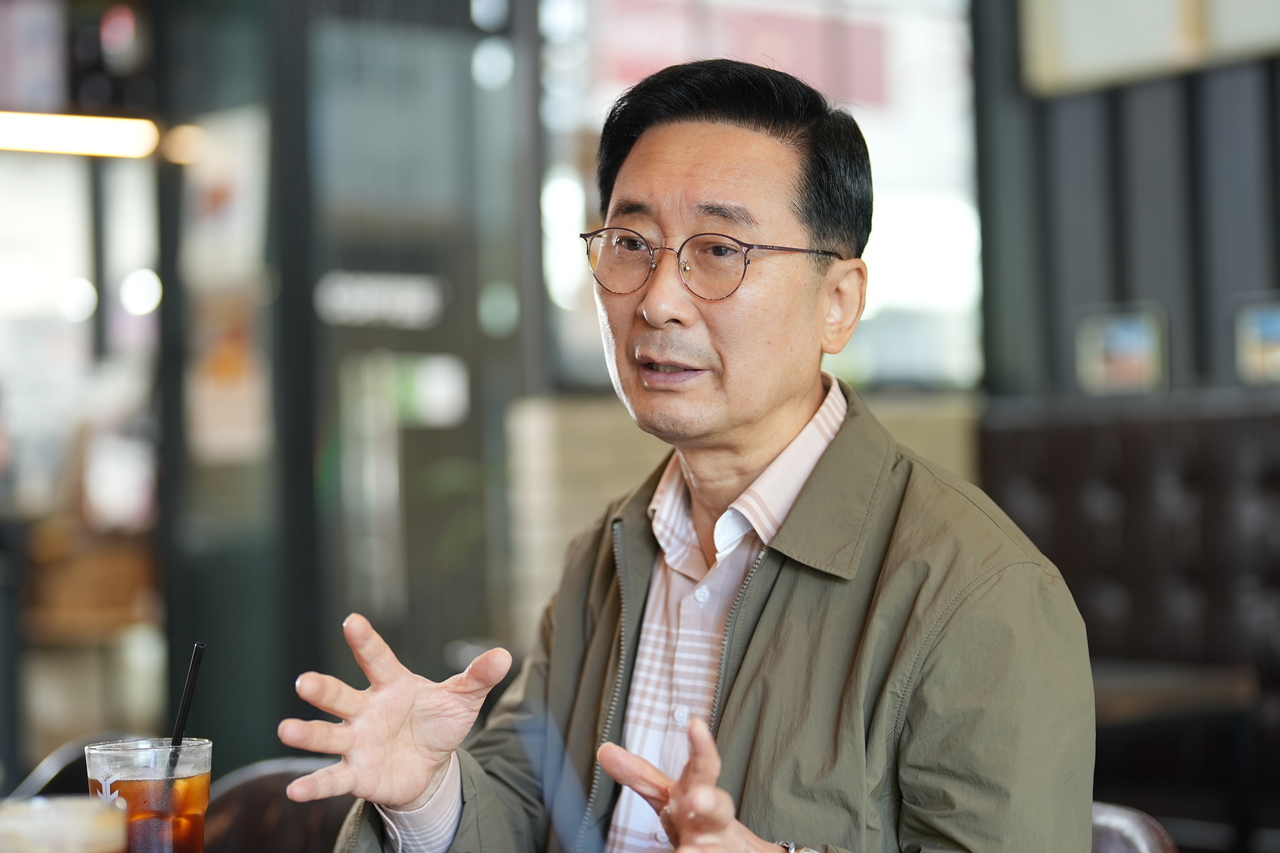
"As someone from the sports world, I want to help open a path for civilian exchange. My vision is of Seoul citizens running together — a relay that stretches all the way from Seoul to Pyongyang."
That is the blueprint Moon Ho-jun, president of the Seoul Metropolitan Athletics Federation, has laid out as he seeks to reconnect the stalled channels of inter-Korean exchange through athletics.
At the heart of the project is a "Seoul-Pyongyang Relay Marathon," in which citizens run designated legs of a route in succession. It is not a race to see who crosses the finish line first, but a civilian sports initiative centered on participation and connection.
Moon sat down for an interview Tuesday and said the sports community should lay the groundwork for exchange rather than simply waiting for inter-Korean relations to move.
There is a reason he chose athletics — and relay running in particular — from among all possible sports.
A relay is not a race where one person carries the burden from start to finish. A full race is completed only when a runner receives the baton from the previous leg, completes their own stretch, and passes it on to the next.
Moon sees that format as a symbol of connection between South and North Korea.
"It's not about one person running all the way from Seoul to Pyongyang," he said. "Each person runs their own leg and hands it on to the next. The meaning of a relay lies in being connected to one another and reaching the destination together."
Under the plan, the first runner would set off from Seoul, complete a designated stretch, and hand off to the next citizen. Subsequent participants would then carry the relay northward, leg by leg.
The emphasis is not on speed or ranking, but on the message that citizens are completing a single journey together.
Citizen runners to be selected from all 25 Seoul districts
Citizen participation forms another pillar of the project Moon is pursuing.
He is reviewing a plan to recruit participants from all 25 of Seoul's autonomous districts and select, through a set process, the runners who will actually cover each leg. The aim is to broaden the event's reach so that citizens from across the city take part, rather than centering it on specific athletes or organizations.
Bringing an inter-Korean event to fruition would require clearing considerable hurdles — consultations and approvals from relevant authorities, route logistics, participant safety and operational systems all present challenges that a civilian sports body cannot resolve on its own.
Moon is well aware of that reality. Rather than rushing toward a launch date, he is prioritizing the development of a workable plan and the building of a civic participation base.
His view is that even the process of citizens selected from across Seoul running toward a shared goal can demonstrate the value of exchange through sport.
Part of the reason athletics was chosen as the starting point is the sport's inherent openness.
Recreational athletes and ordinary citizens can take part alongside elite competitors, and the message of "running together" can be conveyed intuitively without complex rules or specialized facilities.
The Seoul Metropolitan Athletics Federation is also considering expanding participation beyond competitive athletes and recreational runners to eventually include children and youth.
The goal is to build a structure that allows citizens and future generations to participate on an ongoing basis, rather than staging a one-off event. Should conditions allow, the federation is leaving open the possibility of expanding into various forms of sports exchange, starting with an event linking Seoul and Pyongyang.
'We must be ready to run the moment the opportunity arrives'
Ultimately, the biggest variable remains the state of inter-Korean relations.
For citizens departing Seoul to actually run to Pyongyang, a complex series of steps — inter-governmental consultations, approvals from relevant authorities and more — would have to come first. That is why no specific date can yet be set.
Even so, Moon said what is needed is "prepared sports exchange."
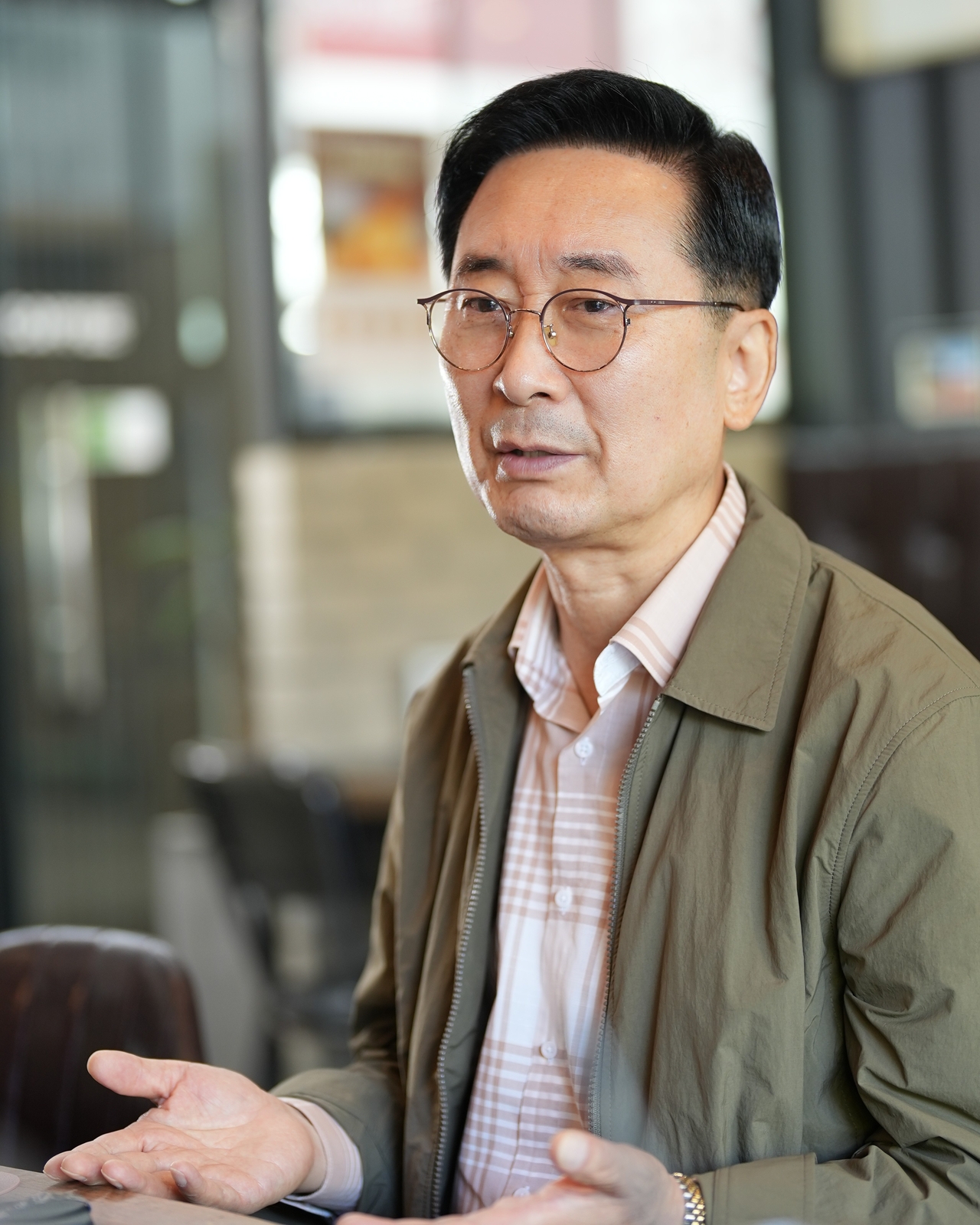
"I don't think the sports community can afford to simply wait without doing anything," he said. "Even if the road isn't open right now, we have to be ready. When the opportunity comes, we must be able to run immediately."
The scene he envisions is straightforward.
A citizen sets off from Seoul, completes their leg, and the next runner carries on from there. Step by step, the footsteps of countless people forge a single road — one that leads, ultimately, to Pyongyang.
No one can yet say when that road will open. But rather than grand declarations, the Seoul Metropolitan Athletics Federation is looking for a new point of contact in running — the most elemental movement in sport.
Moon is already preparing the starting line for the day when those first steps from Seoul reach all the way to Pyongyang.
7toy7@heraldcorp.com