The 47.8 billion won budget, approved by the district council, targets welfare, safety, reconstruction and future industries — while a "three-no" spending principle cut 3.5 billion won from existing allocations to free up funds for the final three months of the year.
Gangnam-gu's first supplementary budget of the ninth elected term has been finalized at about 47.8 billion won ($34.5 million), setting the stage for full execution of major projects in welfare, safety, reconstruction and future industries.
The district said its first supplementary budget proposal for 2026, submitted Aug. 28, was approved at a plenary session of the Gangnam-gu Council on Tuesday.
The approval brings the district's total budget for this year to 1.58 trillion won, up about 3.1 percent from the original 1.53 trillion won.
A defining feature of this supplementary budget was a review of existing allocations before adding new spending, in order to concentrate limited resources where they are most needed. The district applied what it calls a "three-no budget principle" — no spending on projects that are unnecessary, lack a clear purpose, or have uncertain outcomes.
The district mayor's inauguration ceremony was scaled back rather than held at COEX as in previous years, saving 82 million won. Changes to project execution methods, workforce efficiency improvements and bid savings combined to cut a further 3.5 billion won from existing allocations. The freed-up funds were redirected to resident welfare, safety, reconstruction support and future infrastructure.
The largest share goes to welfare and the social safety net, with 22.7 billion won allocated across four areas: a Gangnam-style youth real estate brokerage fee and moving-cost support program, expanded child allowance and parental benefit payments, a tailored care service for the elderly, and disability welfare.
About 4.3 billion won has been set aside for public safety. The district will repair aging roads in heated-cable zones, expand crime-prevention CCTV coverage, and replace the elevator at the Malchukgeori pedestrian overpass. Funds will also go toward snow-removal measures and stormwater drain dredging in preparation for flood season and winter emergencies.
Reconstruction and future industries are also being accelerated. About 1.2 billion won has been earmarked for three initiatives: expanding public support for housing reconstruction projects, revising the district-unit plan for the Gaepo ICT special development promotion zone, and designating the Suseo robot special development promotion zone.
Projects to expand cultural and leisure spaces for residents will also move forward, with 700 million won allocated for four efforts: creating a cultural forest at Daemosan Geulmaru, conducting a feasibility study for a forest trail at Maebongsan, remodeling the performance venue at Yeongdong Bridge 3 along Yangjae Stream, and installing nighttime lighting at the Tancheon park golf course.
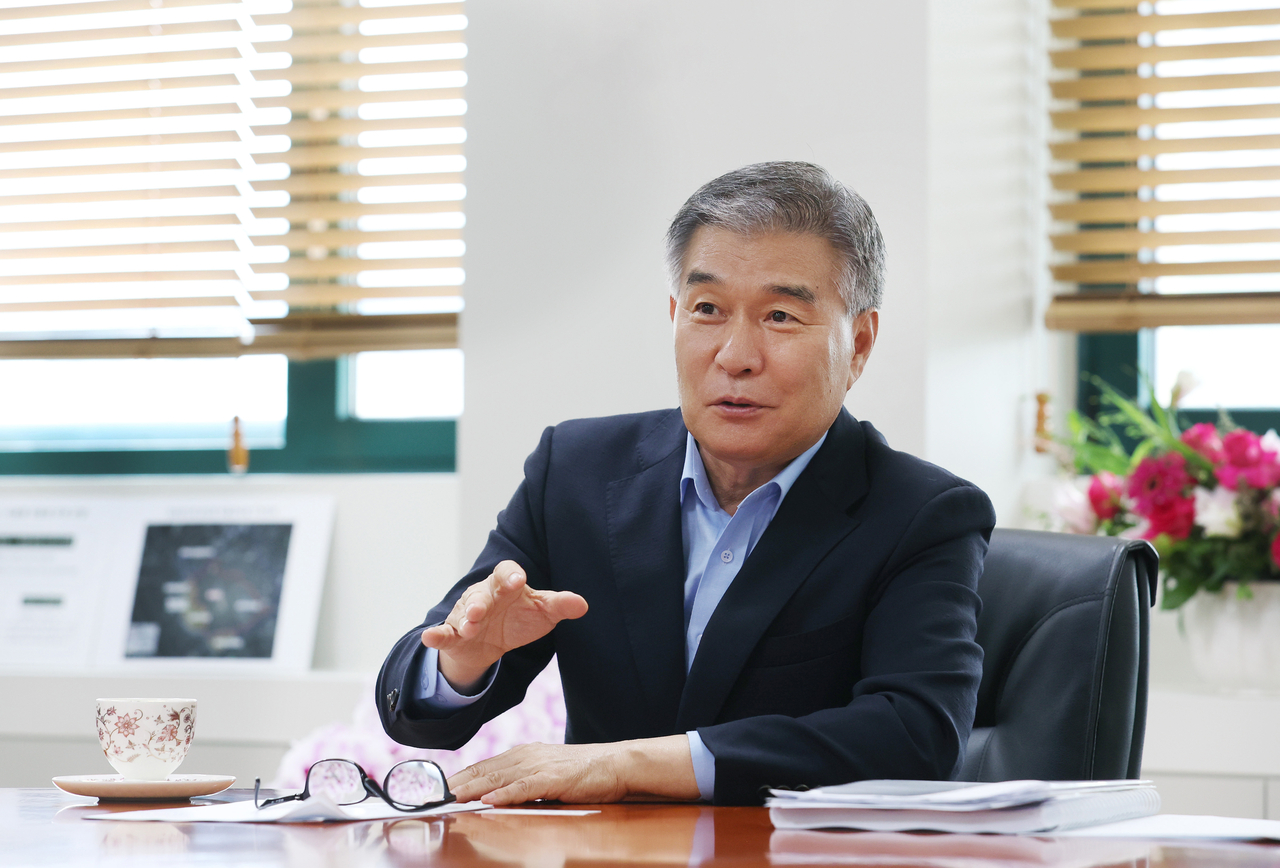
"We reviewed existing spending first and cut unnecessary outlays in order to use limited resources where they are truly needed," Gangnam-gu District Mayor Kim Hyun-gi said. "Now that the district council has approved the 47.8 billion won supplementary budget, swift execution is critical. We will manage welfare and safety with care, and push reconstruction and future industries forward with urgency, so that residents can feel the change in their daily lives."
seouldream01@heraldcorp.com